


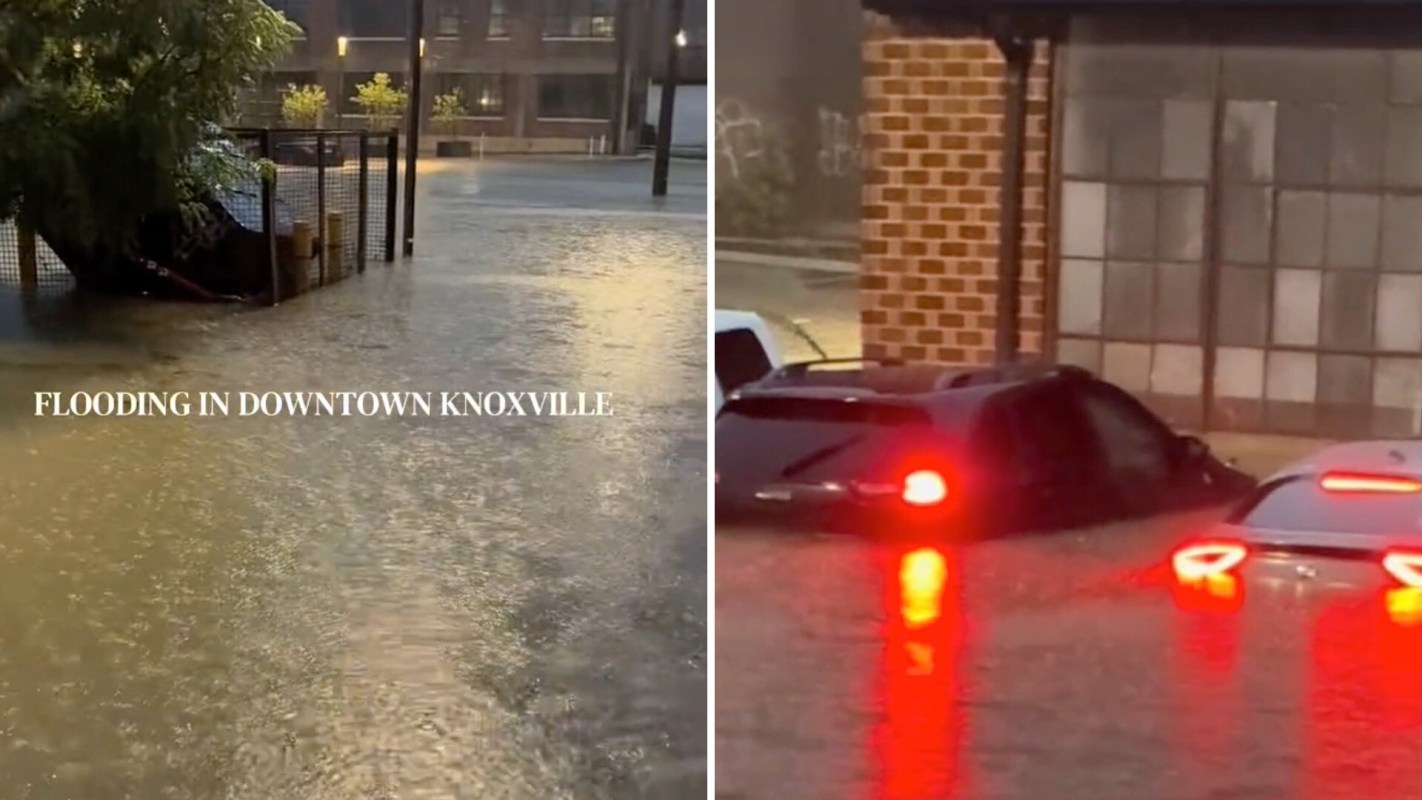
Overnight storms in Knoxville, Tennessee, sent muddy floodwater coursing down a city street, nearly swallowing parked cars and prompting neighbors to fear the vehicles could not be saved.
For households, scenes like these are more than dramatic weather footage. A flooded car can mean lost transportation, missed work, insurance headaches, and a major blow to the family budget.
What happened?
Knoxville-based reporter Erin Rogers of WVLT News shared footage of the overnight flash flooding in a TikTok video from the North Central and North Broadway area of North Knoxville, where several parked vehicles appeared to be sitting in water almost up to their roofs.
@erinrogerstv Video from flooding overnight Sunday 7/12 in Knoxville showing cars almost fully underwater. Neighbors tell me they are totaled. This video is in the area of N Central and N Broadway in N Knoxville @WVLT News #flood #flashflooding #tennessee ♬ original sound - Erin Rogers
The person recording the video showed people in a building across the street and said they were trapped by the flooding, underscoring the danger beyond property damage. Her caption also said neighbors believed the cars left in the deep water were totaled.
"Video from flooding overnight Sunday 7/12 in Knoxville showing cars almost fully underwater. Neighbors tell me they are totaled," the caption read.
One commenter wrote, "What's crazy is I live in west Knoxville, and we got some rain but it wasn't even close to anything like that," while another warned, "Don't buy a used car for a while."
TCD Picks » Quince Spotlight
💡These best-sellers from Quince deliver affordable, sustainable luxury for all




Why does it matter?
Flood damage to a vehicle can be financially devastating. Even when a car does not look crushed or visibly wrecked, water intrusion can destroy electrical systems, contaminate interiors, damage engines, and make repairs so costly that insurers declare the vehicle a total loss.
Worsening extreme weather disasters threaten lives and livelihoods. Intense flooding can trap residents, block emergency access, contaminate water, and create health risks from mold, debris, and polluted runoff. It can also disrupt local economies by damaging cars, homes, roads, and businesses people rely on every day.
What can I do?
When flash flooding is in the forecast, one of the simplest protective steps is to move a vehicle to higher ground early, if it is safe to do so. Once water starts rising quickly, roads and parking areas can become too dangerous to access within minutes.
Drivers can also protect themselves financially by reviewing whether they carry comprehensive auto insurance, which typically covers flood damage. If a car has been exposed to floodwater, owners should document the damage, contact their insurer promptly, and avoid trying to start the vehicle before getting professional guidance.

Get TCD's free newsletters for easy tips, smart advice, and a chance to earn $5,000 toward home upgrades. To see more stories like this one, change your Google preferences here.






