


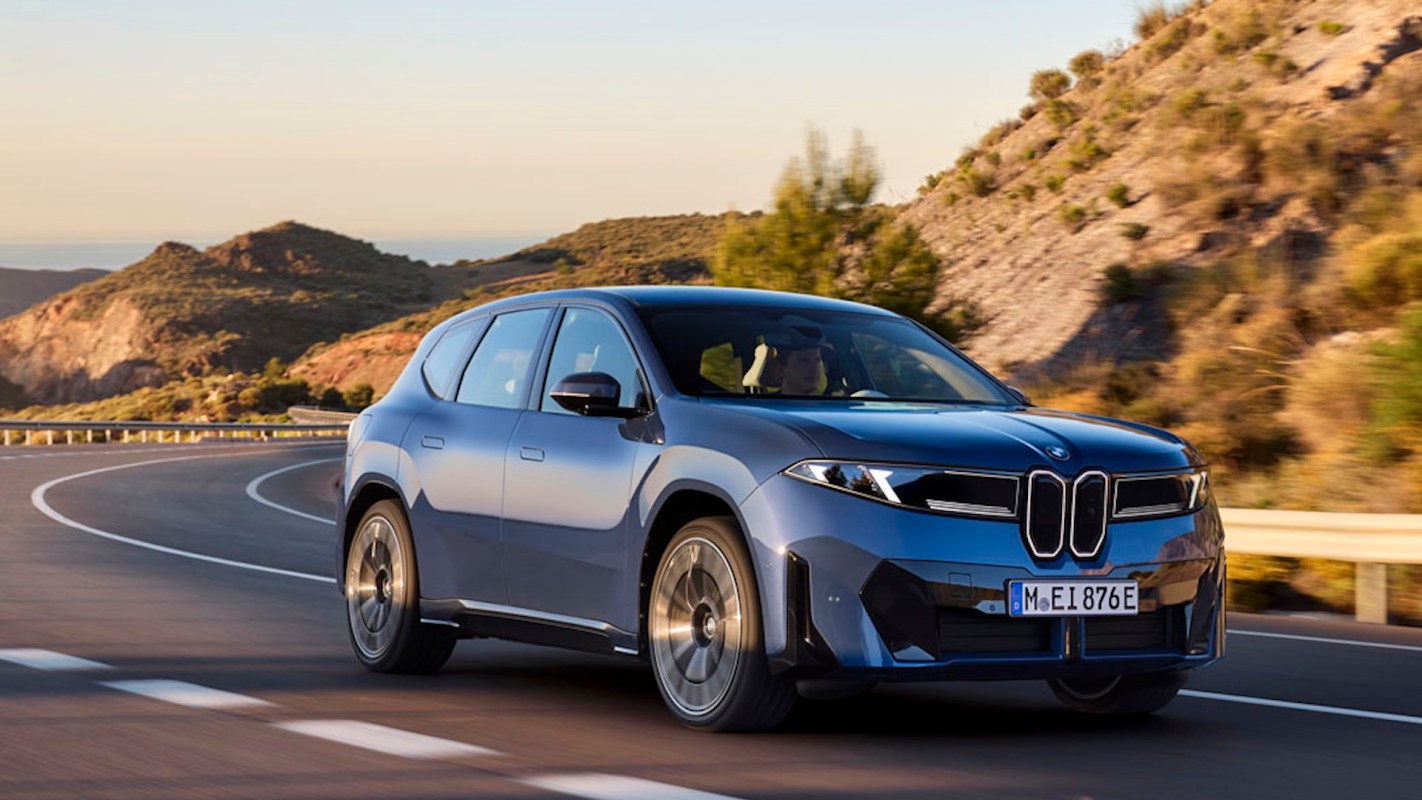
China has become a major test for BMW's electric strategy as its sales there fall sharply. The automaker is counting on a new generation of electric vehicles to regain momentum, but those vehicles are arriving after a long wait in a market where competitors have kept speeding ahead.
What happened?
In China, BMW is positioning its long-delayed Neue Klasse range to stem its recent slide, according to Reuters. The urgency is obvious: the company said its second-quarter sales in China dropped 30% and warned that problems in that market are weighing on profits.
November is when BMW expects to launch the iX3 SUV, the first Neue Klasse EV aimed at Chinese buyers. Even so, some analysts and investors argue the company waited too long to get here, sticking with its established advantages while domestic brands kept advancing.
Yale Zhang, managing director at Shanghai-based research firm Automotive Foresight, told Reuters the delay has narrowed BMW's opportunity: "If this had launched two years ago it could have been a game-changer." Now, Zhang said, "In today's Chinese auto market ... it is hard to stand out."
Local manufacturers have also been compressing development schedules. Reuters reported that Chinese EV companies can deliver increasingly advanced models in roughly 18 months, about half the time many legacy automakers require.
Why does it matter?
The gap matters because buyer priorities in China's EV market have changed quickly. For many shoppers, software, performance, and styling now matter more than the cachet of an established luxury badge, leaving some traditional automakers struggling to keep pace.
TCD Picks » Quince Spotlight
💡These best-sellers from Quince deliver affordable, sustainable luxury for all




On top of that, China's brands like BYD have closed the gap and surpassed international automakers in terms of quality and reliability, and have begun encroaching on the luxury auto space, offering drivers equivalent quality at a better price.
When major automakers are slow to adapt, consumers may end up with fewer compelling EV choices, slower innovation, and less competition pushing better features at lower prices. Delays can also prolong reliance on gas-powered vehicles, often leading to higher fueling costs and more pollution.
That mismatch shows up in BMW's sales mix: citing Global Mobility data, Reuters reported that fully electric vehicles make up only about 5% of the company's sales in China, even though EVs account for 46% of the overall market.
BMW is not alone: first-half sales were down 28% at Mercedes and 19% at Volkswagen's Audi brand.
What's being done?
With Neue Klasse, BMW is attempting a fresh start, beginning with the iX3 launch in China this fall. It's a wager that a purpose-built EV architecture can strengthen its tech credentials and attract customers less impressed by older ideas of luxury and engineering reputation.
Analysts, however, say lower prices by themselves will not close the gap. Wang Xianbin, a vice president at the Gasgoo Research Institute, told Reuters that brand legacy no longer carries the same force with Chinese buyers, while companies like Nio have reset expectations through eye-catching tech showcases and fast product turnover.
Zhang's verdict was blunt: "If this had launched two years ago it could have been a game-changer." Wang offered a similar assessment, saying, "Overall, it's clear that BMW is one step behind."

Get TCD's free newsletters for easy tips, smart advice, and a chance to earn $5,000 toward home upgrades. To see more stories like this one, change your Google preferences here.






