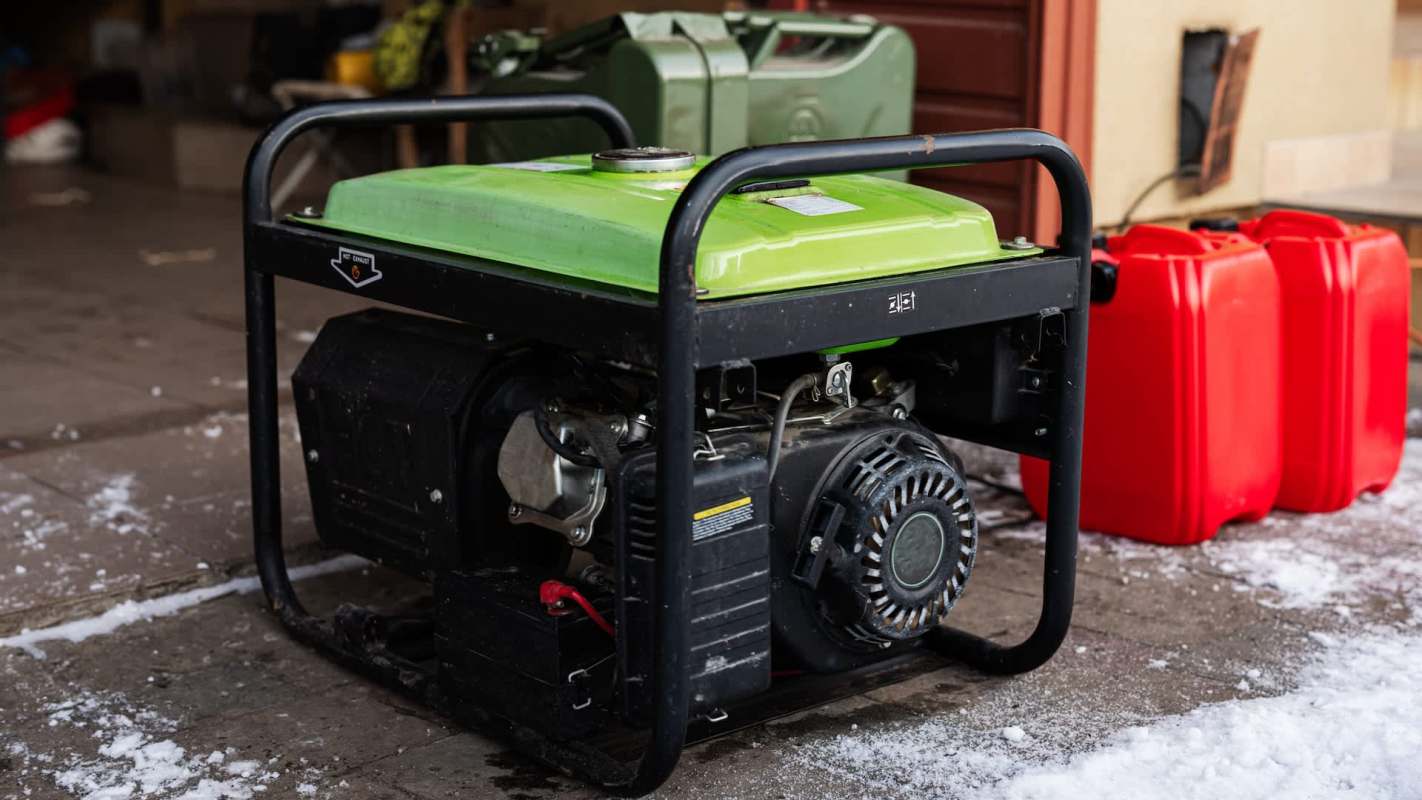
Power outages are becoming more disruptive, pushing more homeowners to confront a practical question: What type of backup power actually makes the most sense?
What works best depends on the role the system needs to fill. During a blackout, a battery bank, a fuel generator, or rooftop solar can each help, but they're not interchangeable solutions.
What's happening?
For basic continuity, battery banks can be a practical fit because they are quieter, cleaner, and easier to maintain while keeping items such as refrigerators, medical devices, lights, routers, and phones operating. Generators are usually chosen for a different reason: if fuel is readily available, they're better suited to larger appliances and can even support an entire home for longer stretches.
Rooftop solar changes the picture, but panels alone often stop producing usable power during an outage because many systems automatically shut down for safety. Pairing solar with battery storage lets homeowners use electricity saved earlier or newly generated power instead of waiting for grid service to return.
If you're weighing your options, a great tool to consider is EnergySage to get information about home battery storage options, including competitive installation estimates. EnergySage is partnering with battery and charging experts Qmerit to provide the best information and options.
Why does it matter?
When outages drag on, the problem goes far beyond inconvenience: food can spoil, heating and cooling can be interrupted, internet access can disappear, and households may lose the ability to charge important devices or run medical equipment.
Adding battery storage can protect your home during outages, save money on energy, and go off-grid. A home battery can store cheaper or self-generated electricity for later use, helping reduce peak-time utility costs while also giving homeowners a quieter alternative to gas-powered backup systems.
Households are also dealing with weather-related threats, aging infrastructure, and rising electricity bills. A generator may still be the best fit for a rural property or a home that needs to handle heavy loads for days at a time, but batteries can offer more everyday value because they can serve both in emergencies and during normal utility use.
Save $10,000 on solar panels without even sharing your phone number Want to go solar but not sure who to trust? EnergySage has your back with free and transparent quotes from fully vetted providers in your area. To get started, just answer a few questions about your home — no phone number required. Within a day or two, EnergySage will email you the best options for your needs, and their expert advisers can help you compare quotes and pick a winner. Solar panels can save you more than $50k over their 25-year lifespan, and EnergySage can help you save as much as $10k on installation. Which begs the question — isn't that worth an email or two? |

The growing market is also creating lower-cost options that can cover basic needs without requiring a major installation.
What's being done?
More companies are offering backup systems at a range of price points, giving homeowners more flexibility to match a setup to their budget and energy needs rather than paying for more than they require.
Whole-home battery systems remain an option for people seeking resilience along with energy savings, especially when paired with solar. These systems can automatically activate during outages, reduce dependence on the grid, and help households make better use of on-site solar power.
Pila is another company offering excellent battery backup options. Its plug-and-play batteries are priced at a fraction of what a whole-home backup system would cost, which could make them appealing for apartment dwellers, renters, or anyone who mainly wants to keep smaller essentials powered.
"I would look beyond just the up-front cost of providing power during those outages," Noah Kittner, associate professor at the University of North Carolina's Gillings School of Global Public Health, said, "but also other benefits you might get year-round from having a battery even when electricity is in service."

Get TCD's free newsletters for easy tips, smart advice, and a chance to earn $5,000 toward home upgrades. To see more stories like this one, change your Google preferences here.