


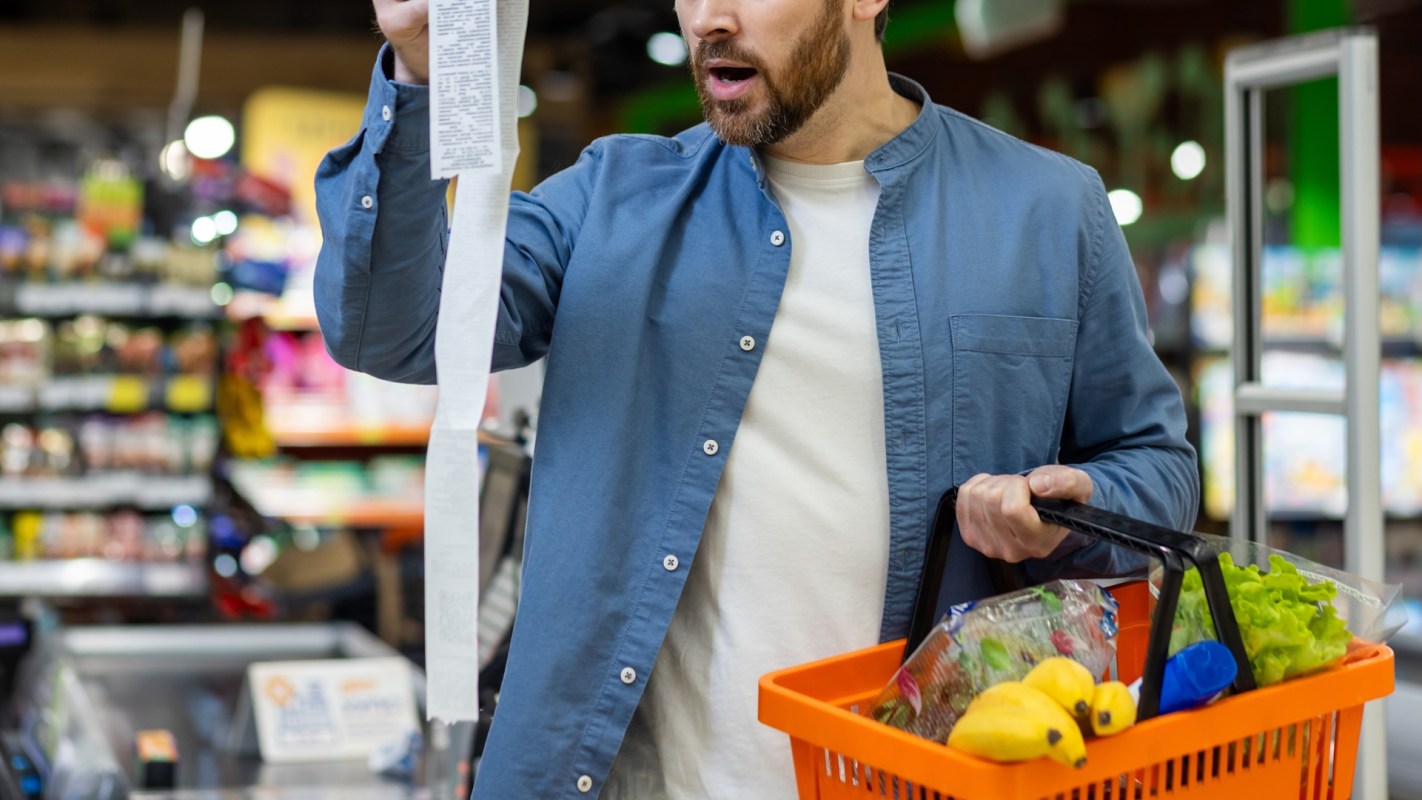
For many Americans, sticker shock in the grocery aisle has become one of the clearest signs that the cost of living remains painfully high.
A new survey of U.S. voters suggests that frustration is widespread, crossing party lines and fueling calls for action from leaders.
What's happening?
Results from a May 5 to May 7 survey of 1,100 registered voters showed that groceries are the expense Americans most often identify as a financial strain, according to a Rochester Democrat and Chronicle article republished by Yahoo Finance.
Global Strategy Group carried out the poll for The Kitchen Table Project. Lael Brainard, the former Federal Reserve vice chair, led the initiative.
The report stated, "Across partisan, gender, generational, and geographic lines, two-thirds of Americans (67%) report that the rising cost of living is placing significant pressure on their households."
Nearly two-thirds of respondents, 63%, said grocery bills were their biggest source of financial pressure. And 67% described those prices as unfair. They often singled out meat as especially hard to afford.
TCD Picks » Quince Spotlight
💡These best-sellers from Quince deliver affordable, sustainable luxury for all




Compared with other major expenses such as housing, gas, and utility bills, food ranked as the most burdensome.
Why does it matter?
Grocery costs can hit households especially hard because they're unavoidable, recurring, and highly visible.
While some purchases can be delayed, food cannot. When prices climb week after week, the effect can spill over into the rest of a household budget, leaving less money for rent, transportation, and energy bills.
When respondents were asked what's behind higher costs, tariffs and trade barriers were cited most often at 48%, while 46% pointed to big companies raising prices to increase profits.
Higher food costs may leave families choosing cheaper, less nutritious food while it gets harder to absorb rising expenses elsewhere.
What's being done?
The survey suggests voters are open to stronger intervention.
A large majority, 82%, said elected officials could lower costs if they chose to. The report also found cross-party backing for tougher enforcement, saying, "Majorities of Democrats (84%), independents (67%), and Republicans (78%) say they are comfortable with government 'cracking down on price gouging and corporate practices that eliminate competition, even if it means more regulation.'"
Comparing unit prices, building meals around lower-cost staples, choosing frozen produce when fresh prices spike, and reducing food waste at home can all help stretch a budget.
Those steps won't solve a nationwide affordability crisis, but they may help families hold on to more of their money while larger policy debates continue.
At the end of the survey, most respondents favored immediate help over longer-term solutions, saying "families are struggling and need relief they can feel right away." A smaller share supported fixing root causes "even if it takes years to feel the difference."

Get TCD's free newsletters for easy tips, smart advice, and a chance to earn $5,000 toward home upgrades. To see more stories like this one, change your Google preferences here.






