


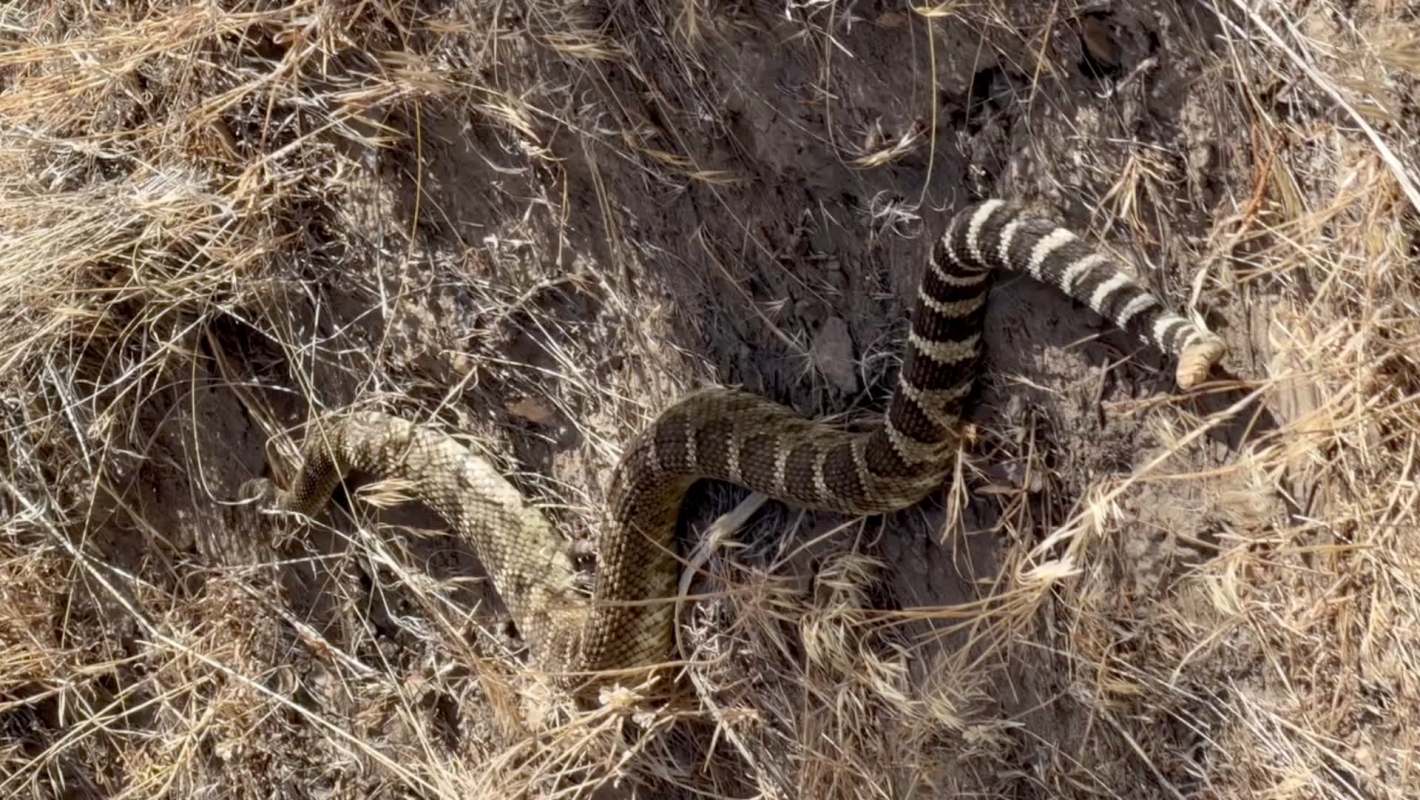
A summer hike at Oregon's Smith Rock State Park became an uneasy reminder that visitors are sharing the trail with native wildlife. On July 8, a 3-foot Northern Pacific rattlesnake was spotted silently moving near the Canyon Trail, a popular route through the park's dry, rocky landscape.
What happened?
According to Central Oregon Daily, citing SmithRock.com's Facebook page, the snake moved silently along the Canyon Trail, underscoring that rattlesnakes are part of the park's landscape.
Drawing on Oregon Department of Fish and Wildlife information, Central Oregon Daily noted that Oregon has 15 native snake species, among them the venomous western rattlesnake. It also reported that the Northern Pacific rattlesnake is a central Oregon subspecies adapted to dry, rocky places such as Smith Rock.
The outlet also summarized ODFW guidance that rattlesnakes commonly remain near den sites in rocky crevices. They're more often spotted in spring, fall, or at night, and they usually shelter during the hottest parts of summer days.
The snake wasn't necessarily out of place — people were recreating in its habitat.
Why does it matter?
As summarized by Central Oregon Daily, based on ODFW data, bites most often occur when a person gets too close to a snake they didn't see. Human deaths are uncommon, but a bite can still be fatal.
TCD Picks » Quince Spotlight
💡These best-sellers from Quince deliver affordable, sustainable luxury for all




As more people spend time outdoors in scenic natural areas, encounters with wild animals can become more common. In this case, the rattlesnake was behaving as a native species in native terrain, but recreational traffic raises the chance of surprise run-ins.
What can I do?
In rattlesnake habitat, Central Oregon Daily cited ODFW's recommendations of sticking to well-used routes, avoiding dense brush, and keeping hands and feet out of places that can't be checked first. ODFW's advice also included over-the-ankle boots and loose-fitting long pants. A walking stick can help announce your presence, and dogs should be kept nearby on a leash.
If you come across a snake, ODFW has advised to remain calm, identify where it is, and move away while watching for defensive behavior such as coiling or rattling.
In a park where recreation and wildlife habitat overlap, the warning is simple and timely: "Tread carefully, stay on the trail, and watch where you sit," SmithRock.com wrote.

Get TCD's free newsletters for easy tips, smart advice, and a chance to earn $5,000 toward home upgrades. To see more stories like this one, change your Google preferences here.







