


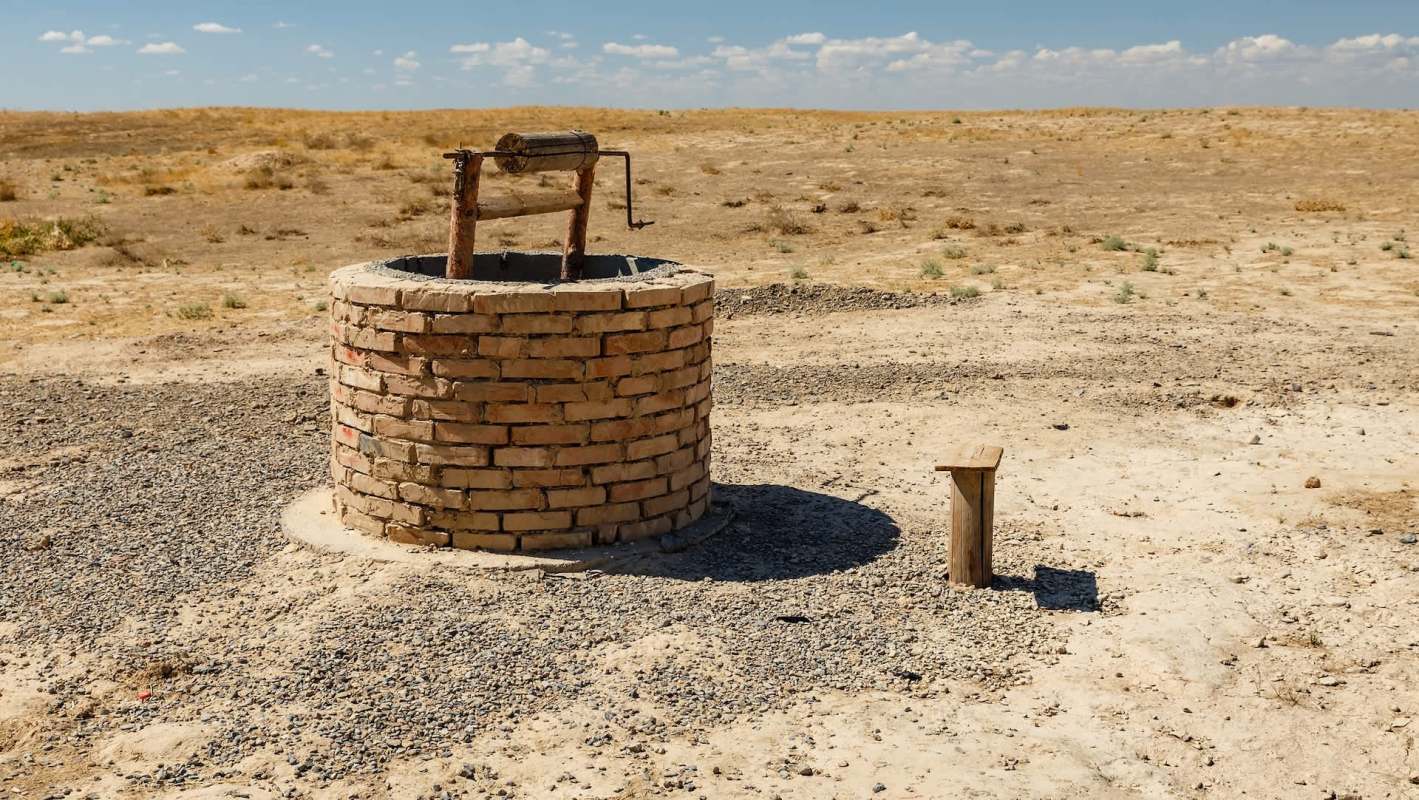
In Brunswick County, a summer dry spell is pushing some coastal North Carolina households into a water emergency.
Private wells that draw from shallow depths are beginning to fail as the county endures its driest stretch in 15 years.
For people who depend on well water at home, that can mean losing their supply with little warning.
What's happening?
Brunswick County has quickly tightened its water restrictions as drought conditions worsen, according to StarNews.
The county began with a stage one conservation alert on June 9, shifted to a mandatory stage two alert on June 26, and escalated to a stage three water shortage warning on July 10.
County officials said the public water system hit 98% of capacity on July 5, with several other days reaching 90% or more.
TCD Picks » Quince Spotlight
💡These best-sellers from Quince deliver affordable, sustainable luxury for all




Under the county's drought response plan, one trigger for stage three restrictions is five consecutive days at or above 90% capacity.
Brunswick County is now classified in the U.S. Drought Monitor's extreme and exceptional drought categories, its two most severe levels.
In a county release, officials stated: "Nearly a third of Brunswick County is now under an Exceptional Drought (D4), which is the highest tier of drought possible."
Private well users are seeing some of the clearest impacts.
Lenny Dorn, owner of Well Done Well Drilling in Shallotte, said that wells under 20 feet deep, particularly those already producing only small amounts of water, are drying up, and that heat building inside pump houses is overheating the pumps.
Why does it matter?
A drought-driven well failure can pose a direct health and safety risk to households on private wells. When a shallow well goes dry, a family can abruptly lose water for drinking, cooking, bathing, flushing toilets, and cleaning.
The U.S. Drought Monitor warns that extreme drought can bring widespread water shortages and major losses for crops and pasture.
When prolonged heat and dry conditions coincide, they can undermine water security, increase fire risk, and make it harder for communities to protect vulnerable residents.
North Carolina's drought indicator wells in Calabash and Southport are showing dry-well readings.
What's being done?
County leaders have responded by further tightening outdoor water use rules for public utility customers.
Under stage three restrictions, automated outdoor irrigation and pool filling are prohibited, though some exemptions remain for commercial power washing and commercial car washing.
Brunswick County Public Utilities said that it will notify property owners who may be out of compliance.
Dorn said that well owners should crack open the pump house door and place a fan inside to help reduce overheating, while also avoiding unnecessary water use so the systems are not strained further.
Residents with questions should contact their water service provider directly or reach Brunswick County Public Utilities at 910-253-2657 or utilityadmin@brunswickcountync.gov.
"We need a tropical storm," Dorn said. "We have not had one in a while, and locally, we need those storms, as much as you hate to say it."
He also offered a blunt reminder for anyone still using water as usual: "Just because you have the water does not mean you need to abuse it."

Get TCD's free newsletters for easy tips, smart advice, and a chance to earn $5,000 toward home upgrades. To see more stories like this one, change your Google preferences here.






