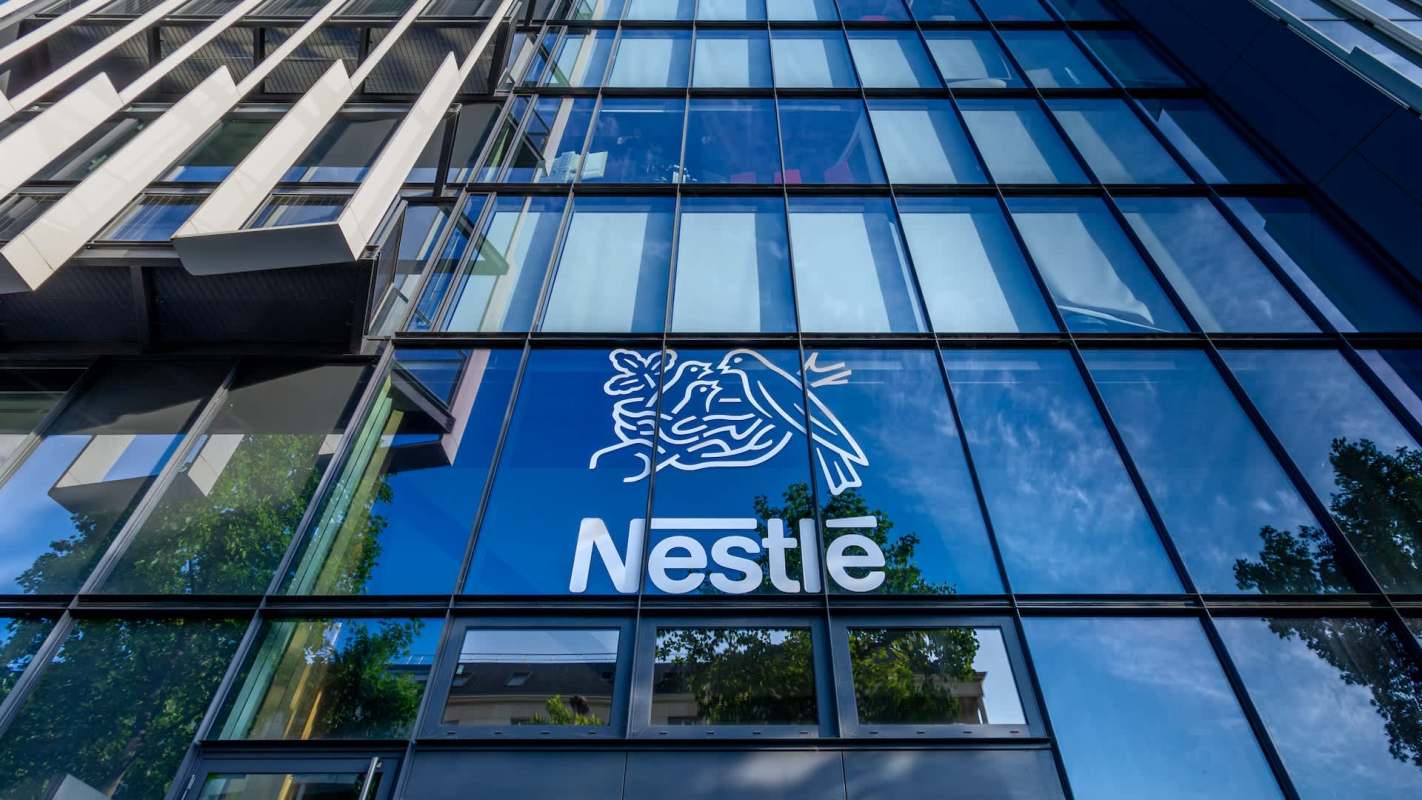
French authorities have dug deeper into a baby formula contamination case that has raised serious questions about how quickly major companies alert regulators — and families — about potential dangers.
The focus this time is on Danone and Nestlé, which may have identified the formula contaminant "as early as the end of November 2025," according to SWI swissinfo.ch, but did not begin a worldwide recall until January.
What's happening?
According to the Swiss news site — which referenced reporting from Radio France's investigative unit, RTS, and RTBF — French prosecutors opened five criminal investigations last winter into the contaminated infant formula case.
The inquiries followed reports that affected products may have remained in circulation for weeks following initial concerns.
Those reports said Nestlé detected cereulide at the end of November. The toxin, produced by Bacillus cereus, can cause severe symptoms in infants. Even so, the company did not issue its first recall until December 11, and a broader international recall did not begin until January 5.
By that point, 838,000 tins had reportedly been held back at factories, while some products were still in stores and homes.
TCD Picks » Good Store Spotlight
Get 10% off your next purchase with code TCD10


Meanwhile, there were what SWI swissinfo.ch described as "discreet" recalls in Austria and Germany, where Nestlé products were allegedly taken off shelves before the more sweeping public recall.
Nathalie Goutaland, a lawyer who has represented dozens of affected families since February, said, "These silent recalls are not compatible with European law," per the Swiss site.
The Paris Public Prosecutor's Office opened the probes on January 30 after reports of infant deaths or hospitalizations linked to recalled formula, though some local prosecutors later ruled out a link in two child deaths.
Why is this concerning?
Infant formula is an essential product used by countless families around the world every day.
TCD Picks » Quince Spotlight
💡These best-sellers from Quince deliver affordable, sustainable luxury for all




The Department of Health still lists three infant deaths among children said to have consumed formula included in the recalls.
Exposure to cereulide may cause nausea, vomiting, and abdominal pain, with risks for severe dehydration.
What's being done?
According to SWI swissinfo.ch, the local Departmental Directorate for the Protection of the Population referred part of the matter to the courts over what investigators described as an unusually delayed alert.
Nestlé, which did issue an apology, said it followed a "strict procedure," per the Swiss news site, which included assessing the risk and tracing affected products before notifying authorities.
It also said it "strongly denies" having "marketed contaminated milk and carried out 'discreet' recalls without informing consumers or the authorities," adding that it has "acted with complete transparency."
Meanwhile, Goutaland said, "A product that may be dangerous must be treated in the same way as a product that is known to be dangerous."
In late June, Reuters reported that Nestlé had "accepted that some parents will not return to buying the company's infant formula products" following the recall and that it is "working with pediatricians and health care professionals for recommendations and to win back consumers."

Get TCD's free newsletters for easy tips, smart advice, and a chance to earn $5,000 toward home upgrades. To see more stories like this one, change your Google preferences here.