


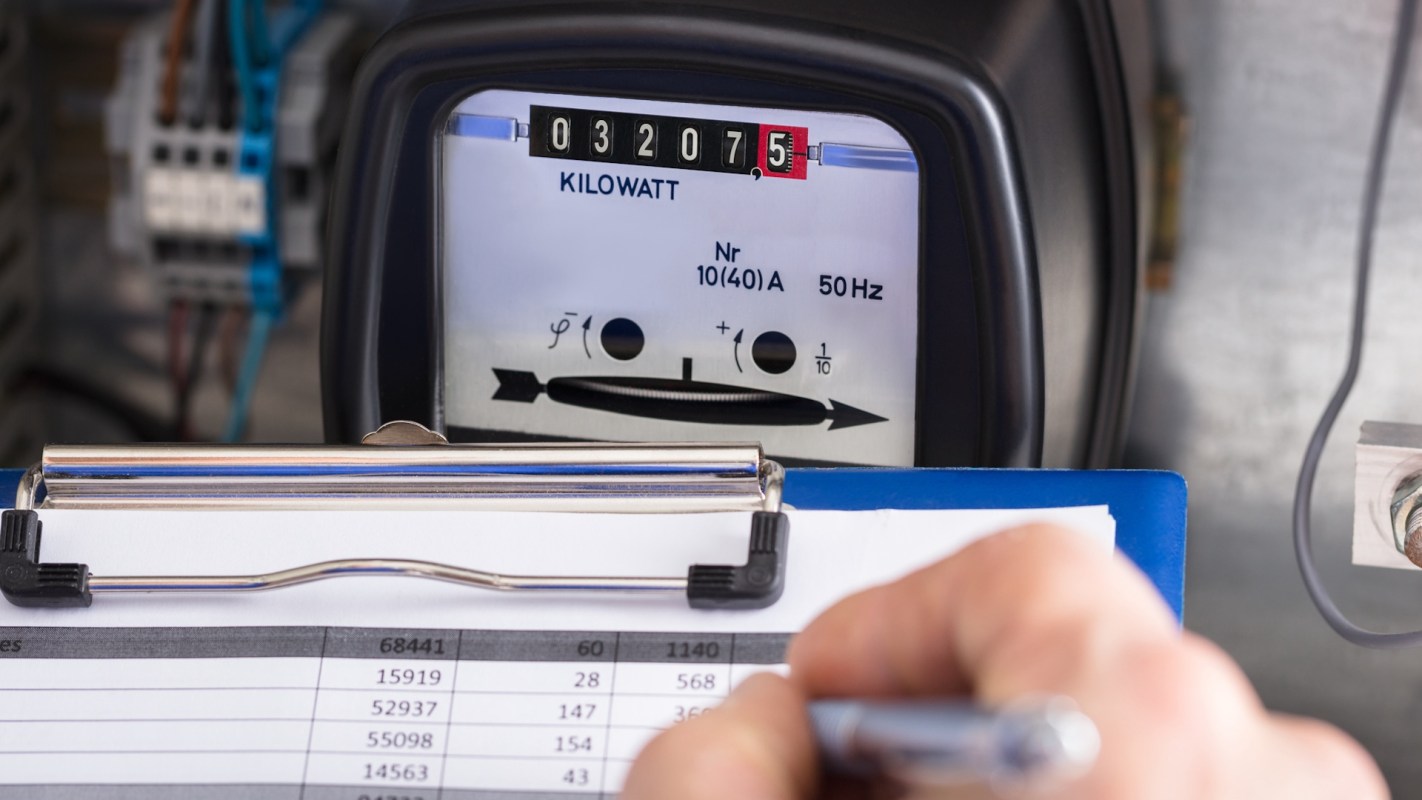
Americans hoping for relief on their energy bills may instead be facing even higher costs.
Utilities across the country have already requested more than $18 billion in gas and electric rate hikes this year, even as many households are already struggling to afford the bills they're paying now.
What's happening?
Consumer advocacy group PowerLines said utilities filed a record $9.2 billion in combined rate-hike requests during the second quarter, a total that could impact over 56 million customers.
As Stateline reported, the biggest share came from Southern states, where requests reached about $4.5 billion and would affect more than 26 million people.
In the Midwest, utilities are seeking another $2.7 billion in increases that would affect 14 million customers, while proposals in the West total another $1.5 billion. Since electric service for most Americans comes from regulated utilities, state commissions will decide how much of those proposed costs consumers will actually be asked to cover.
Several of the biggest proposals are drawing added scrutiny over who ultimately benefits. Stateline reported that Oncor in Texas requested $1.2 billion under a five-year investment plan connected to growing demand from energy companies and data centers. In Virginia, Dominion Energy filed three requests totaling $1.5 billion, including $1.1 billion for unrecovered fuel costs.
For householders worried about rising electricity bills, going solar is one of the best ways to save money on home energy. If you're curious about the costs, EnergySage can help you to get quick installation estimates and compare quotes for free.
Why does it matter?
Financial strain is a widespread issue across the country. In fact, the National Energy Assistance Directors Association has noted that one in six households in the U.S. is behind on utility payments. If regulators approve new increases, families balancing rent, groceries, medication, and summer cooling costs could face even tighter budgets.
Save $10,000 on solar panels without even sharing your phone number Want to go solar but not sure who to trust? EnergySage has your back with free and transparent quotes from fully vetted providers that can help you save as much as $10k on installation. To get started, just answer a few questions about your home — no phone number required. Within a day or two, EnergySage will email you the best local options for your needs, and their expert advisers can help you compare quotes and pick a winner. |

PowerLines also said utilities have been speeding up their requests for higher rates since 2021. Regulators do sometimes approve smaller increases than companies seek, but the report said outright denials are uncommon. PowerLines' analysis of 2025 data found that regulators rejected only two of 83 rate requests — but about half were still pending at the start of this year.
That dynamic can leave customers paying for decisions they had little role in shaping, particularly in monopoly utility markets where switching providers is not a realistic option. When higher rates are tied to fuel price swings, corporate growth, or energy-intensive industries, households may end up absorbing costs that do not clearly make power more affordable for them.
Even industry leaders have acknowledged the burden. Drew Maloney, president and CEO of the Edison Electric Institute, said at an energy summit that consumer bills are partly driven by "regulatory bureaucratic red tape."
What's being done?
Lawmakers and regulators in some states are considering responses that include rate freezes, more funding for energy-assistance programs, and pricing changes that would place a larger share of costs onto major power users, such as data centers, instead of typical households.
More From EnergySage
💡Go deep on the latest news and trends shaping the residential solar landscape

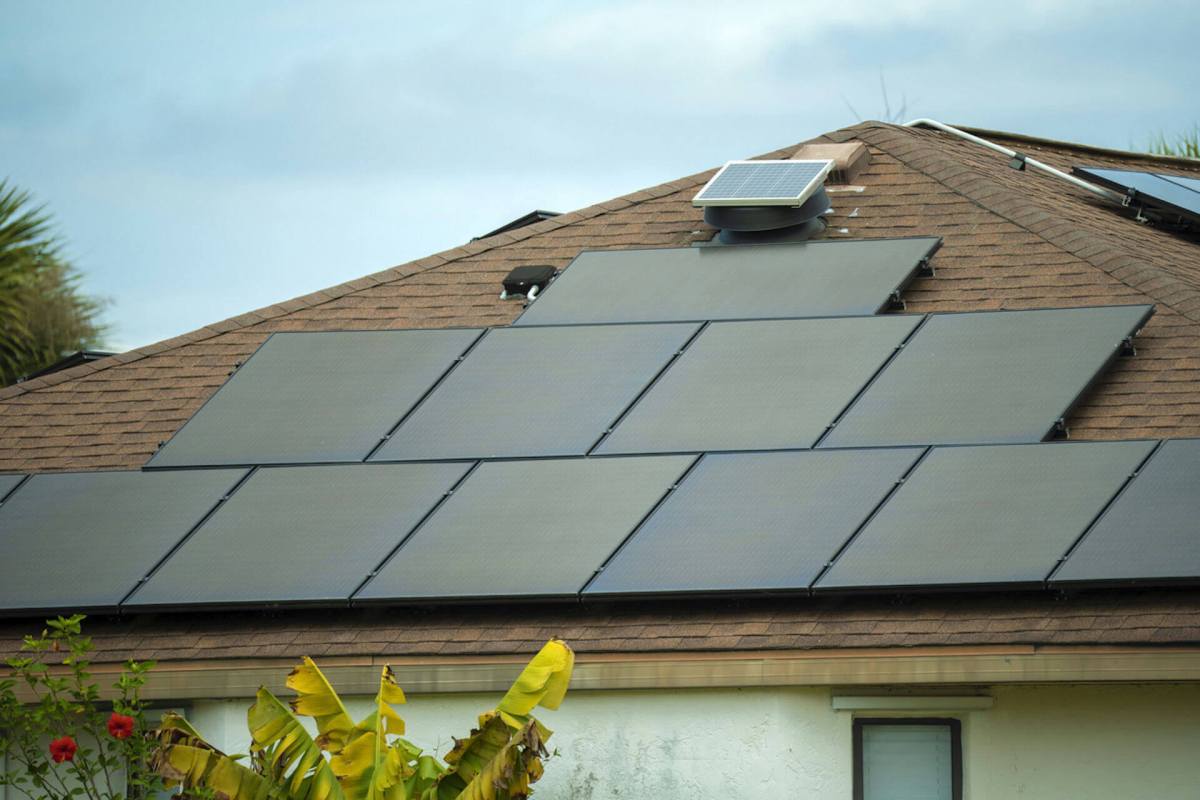

In the meantime, EnergySage's free services can make reducing bills with solar panels easier, and the average person can save up to $10,000 on solar purchases and installations. EnergySage's marketplace lets homeowners compare quotes side by side, while its solar map shows the average cost of a home solar panel system in every state and details solar panel incentives available there. Together, those resources can help you get the best price for rooftop solar panels and access available incentives.
Adding battery storage to a solar setup can protect your home during outages. It can also help you save money on energy and even go off-grid. You can explore EnergySage for information about home battery storage options, including competitive installation estimates.
As PowerLines put it, "With more than $18 billion in requests already on the table for 2026, regulators face mounting pressure to scrutinize utility spending plans while balancing the infrastructure investments that a modernizing grid genuinely requires."

Get TCD's free newsletters for easy tips, smart advice, and a chance to earn $5,000 toward home upgrades. To see more stories like this one, change your Google preferences here.






