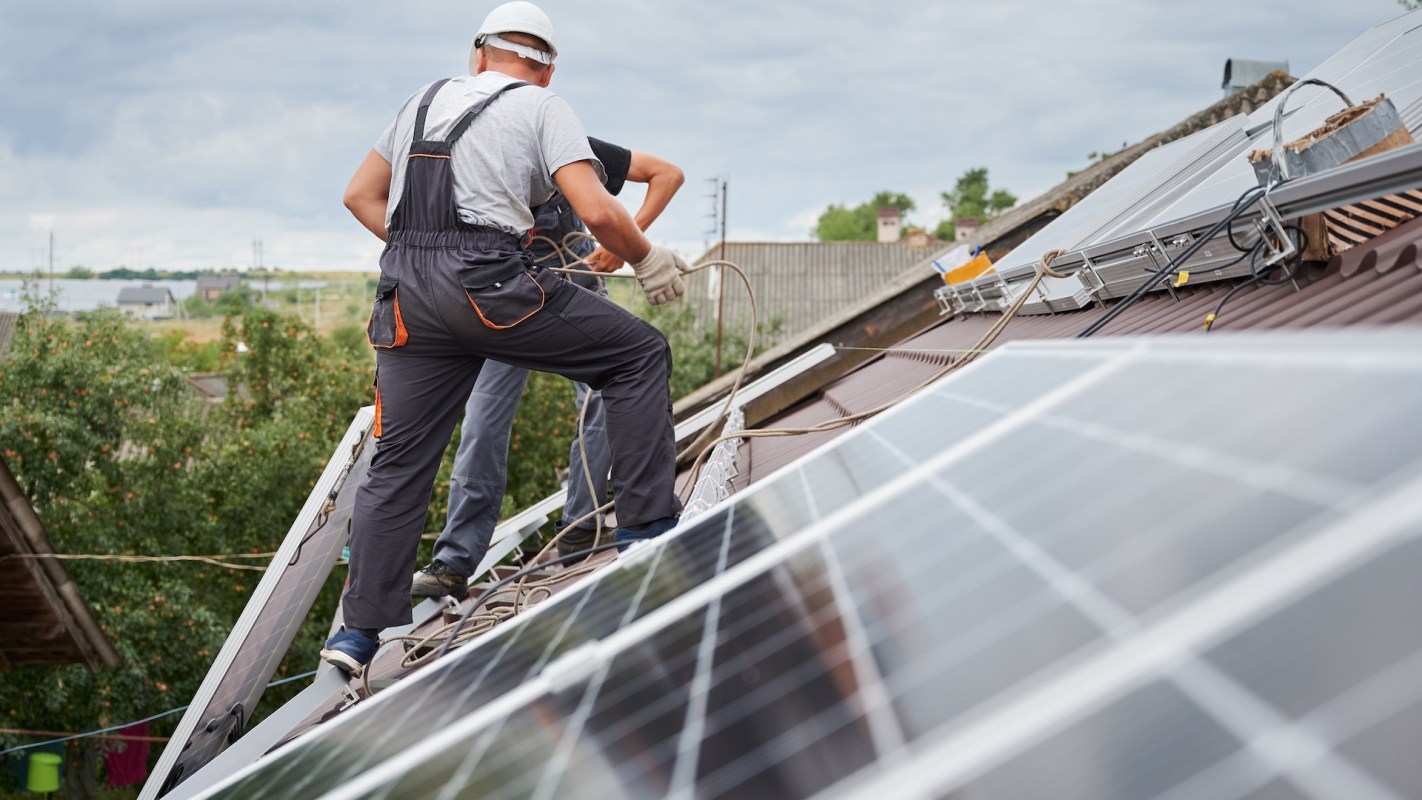
Thousands of households in New Zealand that signed up for rooftop solar to lower their energy bills are now stuck in contracts that have become far more expensive than expected.
Since SolarZero entered liquidation in late 2024, more customers have been seeking help from formal dispute services as scrutiny grows over how the long-term deals have played out.
What's happening?
As RNZ reported, many customers said the promised financial upside has failed to materialize.
Their contracts, about 15,000 in total, were originally set up as 20-year solar leases and are now being handled by Verofi through SZ Servicing.
Some said they signed up expecting consistently low electricity prices, only to watch those rates climb while sizable monthly lease payments kept coming.
Customer Mark Wellington told RNZ: "My original price per kilowatt was 8c and 15c, but now it's 26c and 15c [import and export] and I get a power bill every month in winter."
TCD Picks » Quince Spotlight
💡These best-sellers from Quince deliver affordable, sustainable luxury for all




For others, the problem extends beyond rising bills. Some said they have been quoted thousands of dollars to exit, while others reported trouble selling homes connected to SolarZero agreements.
"It's not about savings anymore," customer Rohan Metrani told the publication. "It's become more of a liability at this stage."
Utilities Disputes said SolarZero made up 20.8% of accepted deadlocked complaints in the year ending March 31, despite representing just 0.5% of the market.
Why does it matter?
Even a cleaner-energy offering can leave people vulnerable when contracts are complicated, rigid, or built on promises that do not stand the test of time. For households already facing tight budgets, unexpected energy costs can be especially damaging.
"Three years into my agreement, they raised our rates to time of use — an overnight 225% increase at peak time rate," said one customer, adding that she also pays "a monthly fee of $160 plus GST before I even use any power."
Experiences like that can erode trust in solar, even though the technology can still be an effective way to reduce pollution and cut electricity costs when consumers have transparent terms and clear ownership protections. When companies overstate benefits or build deals that are difficult to escape, it can resemble misleading marketing.
Contracts attached to a property can also complicate home sales, potentially leaving families tied to agreements they no longer want or cannot easily manage.
What's being done?
Utilities Disputes has also logged a sharp rise in solar-related complaints overall, recording 440 cases — up 105% from the previous year. The service said many of those complaints involve systems that did not produce the returns customers expected or agreements that are hard to leave.
RNZ said commissioner Neil Mallon has been passing his decisions to regulatory organizations to highlight the concerns.
"Utilities Disputes is also working on some general guidance together for consumers to follow and intends to publish some more information about its concerns, particularly with long-term subscription models for solar," he added.
Meanwhile, the political response in New Zealand appears to be shifting toward system ownership rather than leasing.
The Labour Party's energy resources spokesperson Megan Woods told RNZ that the SolarZero experience helped shape Labour's SolarSaver plan so households could own their systems outright.
"A long-term loan to outright own the solar as an asset for my home while also lowering my power bill is something I would definitely pursue if I could get out of this SolarZero contract, which has ended up being a total misrepresentation of what SolarZero promised us," one customer told RNZ.

Get TCD's free newsletters for easy tips, smart advice, and a chance to earn $5,000 toward home upgrades. To see more stories like this one, change your Google preferences here.