


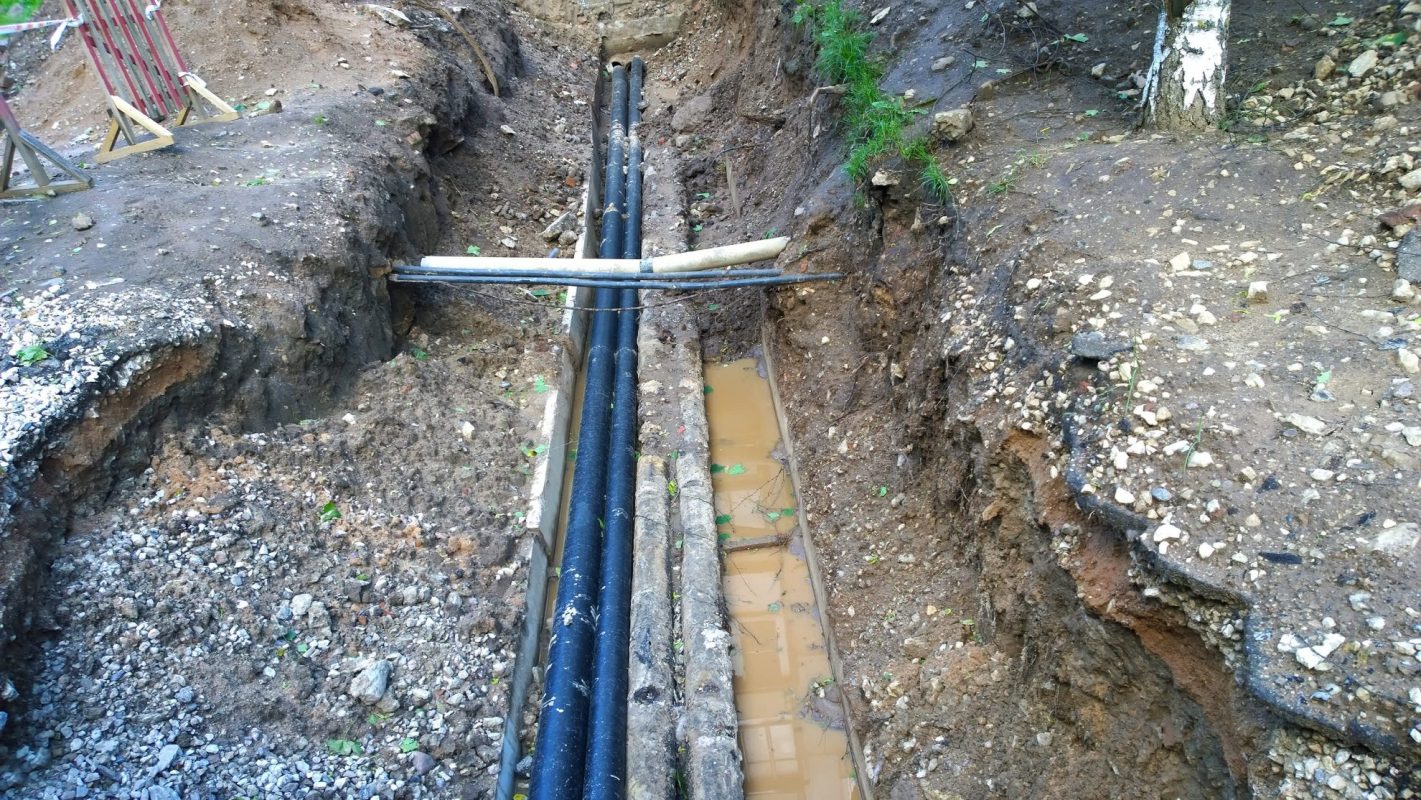
Massachusetts has become a testing ground for life after gas — and for how complicated that transition can become, as utilities continue spending heavily on gas infrastructure even after 10 communities adopted fossil fuel-free rules for most new buildings and major renovations.
Gas companies have still spent about $100 million on infrastructure in nine Massachusetts communities even though all 10 adopted fossil fuel-free rules for most new buildings and major renovations, according to CommonWealth Beacon.
What's happening?
Buildings are responsible for 36% of Massachusetts emissions, and communities such as Arlington, Cambridge, Newton, and Northampton are trying to cut that pollution by limiting fossil fuel hookups in new construction.
Those local restrictions have not stopped investment in gas infrastructure. Since the ordinances took effect, Eversource and National Grid have put roughly $100 million into those areas, with another $50 million expected this year.
A large share of that money is going through the state's Gas System Enhancement Plan, or GSEP. The program was launched in 2014 to replace leak-prone pipes, and statewide leaks fell from nearly 21,000 about a decade earlier to around 9,000 by the end of 2024.
But the program has also become a bigger driver of customer costs. GSEP now makes up 8% to 11% of gas customers' charges, and utility spending through the program hit a record $814 million in 2024.
TCD Picks » Quince Spotlight
💡These best-sellers from Quince deliver affordable, sustainable luxury for all




Why does it matter?
Consumers are seeing the tradeoff in their monthly bills. Even as Massachusetts promotes cleaner heating, customers are still paying for costly gas-system upgrades that could keep fossil fuels in place for years.
That spending can become a liability as more states and cities move toward cleaner energy requirements. In that landscape, business models tied to fossil fuels can look less appealing than clean energy alternatives.
State regulators have made their frustration clear.
Alanna Kelly, a spokesperson for the Massachusetts Department of Public Utilities, said, "The DPU set a clear expectation that the utilities need to rein in spending on GSEP projects, which have well outpaced inflation and are driving up customer bills."
Jamie Van Nostrand, former chair of the Massachusetts Department of Public Utilities and now policy director at the Future of Heat Initiative, said the state also needs to start planning where parts of the gas system will be retired.
"You've got to start showing where you're going to start decommissioning parts of your service territory on a pace necessary to achieve the target greenhouse gas reductions," he said.
What's being done?
Lawmakers are considering whether GSEP should be phased out by 2030. Regulators have also told gas companies to look at non-pipeline alternatives, including electrification and geothermal systems, before defaulting to replacing old gas pipes.
So far, utilities say those options have not advanced very far. Companies reviewed 500 possible gas alternatives for 2026, including 31 in the fossil fuel-free communities, and concluded that none were workable or affordable enough to pursue.
William Hinkle, a spokesperson for Eversource, said the ability for customers to choose gas service "is a fundamental right in Massachusetts."
There are still some planning efforts in motion. Newton signed an agreement with National Grid and Eversource to develop a community energy plan, while utilities have pointed to geothermal and electrification pilot projects elsewhere in the state.
Local officials say that is still not enough.
As David Morgan, Arlington's environmental planner, put it, "We want to see something that is effective and meets our climate action plan goals."
Jeremy Koo, assistant director of clean energy at the Metropolitan Area Planning Council, said, "If these projects aren't getting past utility screening, then what are we doing here?"

Get TCD's free newsletters for easy tips, smart advice, and a chance to earn $5,000 toward home upgrades. To see more stories like this one, change your Google preferences here.






