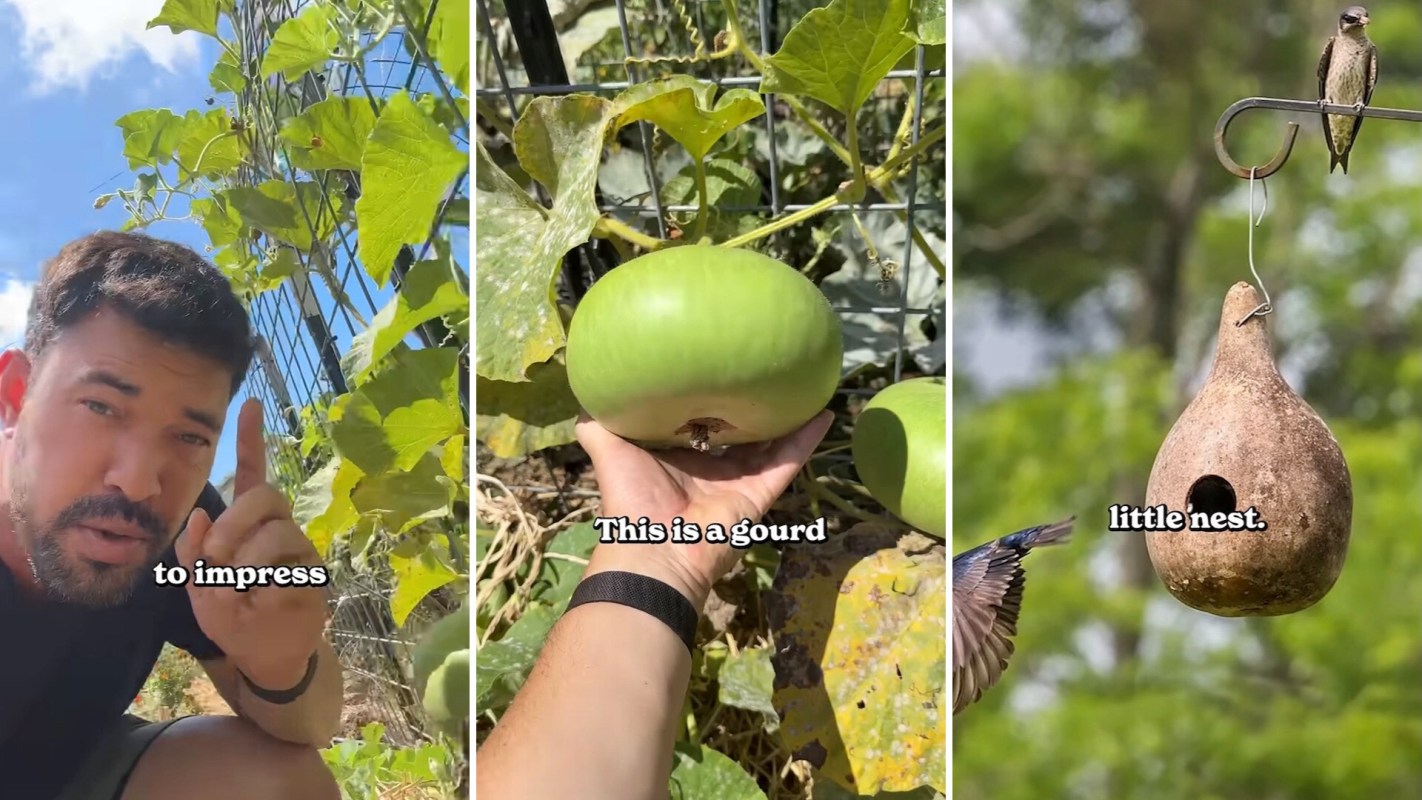
Your garden can supply more than just ingredients for dinner. In one widely viewed video, three uncommon gourds are presented as plants that can be eaten, turned into a natural bath sponge, or used to house birds.
What's happening?
In a YouTube video that has drawn hundreds of thousands of views, Epic Gardening (@epicgardening) spotlights three lesser-known gourds with practical uses, opening with: "These are weird gourds you can grow to impress your friends."
Luffa can serve very different purposes depending on when it's picked. Epic Gardening says it can be eaten when young — "In Filipino culture, they're called patola" — or, if left to dry on the vine, be peeled and used as a natural shower sponge.
The other two varieties are mainly useful after they mature, Epic Gardening explained. Corsican gourds can be made into bowls, while birdhouse gourds can be turned into nesting spots for birds by drilling an opening.
One commenter pointed to another traditional use: "In El Salvador we use the birdhouse gourd as water bottles they keep water cold although it's not used as much and have become decoration."
Why does it matter?
These plants show one of gardening's biggest benefits: It can help households save money in more than one way.
TCD Picks » Quince Spotlight
💡These best-sellers from Quince deliver affordable, sustainable luxury for all




A single crop can provide edible produce, a reusable sponge, handmade serving ware, or natural decor, cutting the need to buy store-bought plastic or disposable alternatives.
Growing your own food can also mean fresher, better-tasting ingredients than produce that has traveled long distances. Even for gardeners who are harvesting luffa while it is still young and tender, adding productive vines to a yard, raised bed, or patio can help chip away at grocery bills.
There are health benefits, too. Gardening gets people moving, spending time outdoors, and working with their hands, all of which can support physical and mental well-being.
One commenter also pointed to the community value: "Schools should have community gardens and grow these. It would give kids lots of activities to do throughout the plants' lifecycles."
What can I do?
If you want to try growing unusual gourds yourself, the basics are similar to many summer vines: plenty of sun, warm temperatures, regular watering, and something sturdy to climb. Trellises and fences can help keep the fruit cleaner while also making harvesting easier.
Before the season starts, it helps to decide what you want from each plant. If your goal is cooking, Epic Gardening recommends harvesting luffa sooner; if you want a sponge, let it keep growing longer. Gourds intended for bowls or birdhouses need to dry out fully before they can be used.
If birdhouse gourds are your main draw, seasoned growers have a caution: "Just a heads up, if you have woodpeckers, the birdhouse gourd won't stop the pesky bird from yoinking the baby birds and eat them 🙂 I suggest adding some metal plating to the sides and a smaller hole."

Get TCD's free newsletters for easy tips, smart advice, and a chance to earn $5,000 toward home upgrades. To see more stories like this one, change your Google preferences here.