


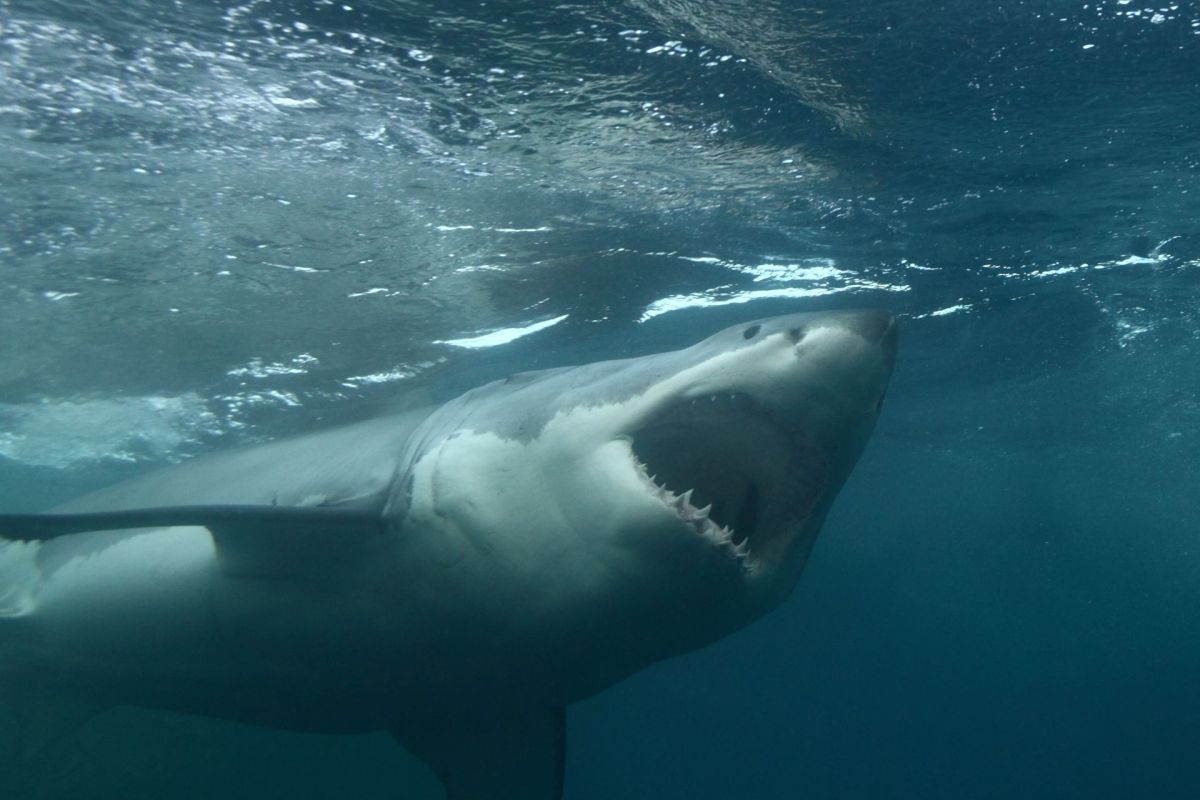
More shark bites near Australian beaches have cast a shadow over the country's beach season.
The recent run includes two attacks within two days in January, and since then, at least four deaths and nearly two dozen injuries in the nation.
What's happening?
Incidents of shark attacks are still rare, but Australia has been experiencing more of them.
As The Week noted, the rise may reflect more than sharks' presence in the water alone. Ocean conditions intensified by human-driven planetary heating, including warmer waters and heavier rainfall, could be increasing the chances of encounters.
This upward trend in shark attacks has been measurable. Reuters reviewed data from the Australian Shark Incident Database and found a "gradual rise in encounters, with the country averaging nearly 29 incidents per year over the last decade, up from an average of roughly 16 per year in the 2000s."
In Australia, extreme rainfall, worsened by rising global temperatures, may be one important driver. After Sydney's record January downpour, Scientific American said the deluge "flushed sewage and other waste into the nearby coastal waters, attracting baitfish, which in turn lured sharks closer to shore."
TCD Picks » Quince Spotlight
💡These best-sellers from Quince deliver affordable, sustainable luxury for all




The same runoff also stirs up sediment, clouding the water and making it harder for sharks to see and avoid people.
Warmer seas may also be contributing. As The Week explained, the three shark species most associated with fatal attacks, bull sharks, tiger sharks, and white sharks, all prefer warmer waters, meaning ocean warming can keep them in the area longer during the summertime.
Why does it matter?
The shifting climate is altering animal behavior in ways that affect daily life, public safety, and tourism in coastal communities. Wild-animal attacks can become more likely when humans alter habitats, food sources, and environmental conditions.
Unfortunately, fear after shark attacks often leads to calls for aggressive removals, even though sharks are vital predators that help keep marine food webs balanced.

Get TCD's free newsletters for easy tips, smart advice, and a chance to earn $5,000 toward home upgrades. To see more stories like this one, change your Google preferences here.






