


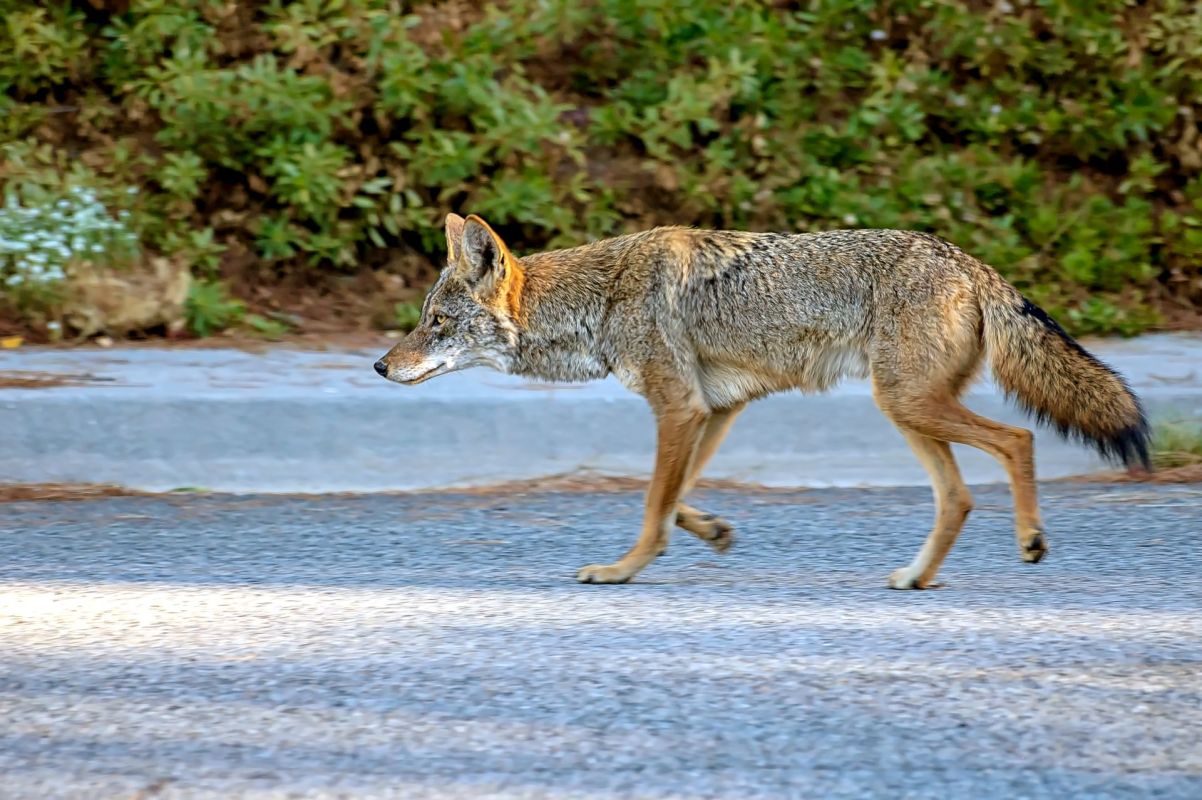
After years of mounting concern, Pasadena is seeing a sharp decline in coyote complaints.
Officials say the massive drop suggests that reducing attractants (like food or garbage), rather than blaming the animals alone, can make a significant difference in how often people and wildlife come into conflict.
What's happening?
The city has logged 109 coyote reports so far this year, according to a memorandum from Public Health Director Manuel Carmona.
Measured against January through May of last year, reported concerns over coyotes were down nearly 76%, reversing the increase that had been underway since 2023, Pasadena Now reported.
Staff said complaint numbers usually follow seasonal swings, with spring and fall bringing more activity from coyotes. In 2025, the number of coyote reports in the city reached a staggering 545, up from 480 in 2024, and 322 in 2023, per Pasadena Now.
And while city officials reviewed four reported incidents involving coyotes and people between January 2023 and June 2026, none have been confirmed to be attacks.
TCD Picks » Quince Spotlight
💡These best-sellers from Quince deliver affordable, sustainable luxury for all




Of the over 1,400 concerns logged since January 2023, nearly half were classified as normal behavior. Staff categorized another 38% of the incidents as including mildly habituated coyotes and 13% included aggressive and habituated animals, per Pasadena Now.
Why does it matter?
Coyotes are a regular part of Southern California ecosystems, but conflicts often rise when human environments make it easier for them to survive. Both deliberate and accidental feeding, alongside accessible trash, are the main attractants in most cases.
But when coyotes begin to associate neighborhoods, campuses, or sidewalks with food, encounters can become more common and more fraught. Essentially, many wildlife conflicts are shaped as much by human behavior as by animal behavior.
To reduce these encounters, rather than centering only on the animals, Pasadena has targeted the conditions that attract them. On the Caltech campus, for example, where wildlife activity had become a concern, the Public Health Department worked with the school on steps to reduce access to food, water, and shelter.
Pasadena's latest figures suggest that when cities address the human behaviors behind wildlife conflicts, complaints can drop quickly, even after years of moving in the opposite direction.

Get TCD's free newsletters for easy tips, smart advice, and a chance to earn $5,000 toward home upgrades. To see more stories like this one, change your Google preferences here.







