


Cutting ties with the grid can seem like an overly intimidating goal.
But now one Rocky Mountain homeowner is sharing how he went fully off-grid for his family of five.
What's happening?
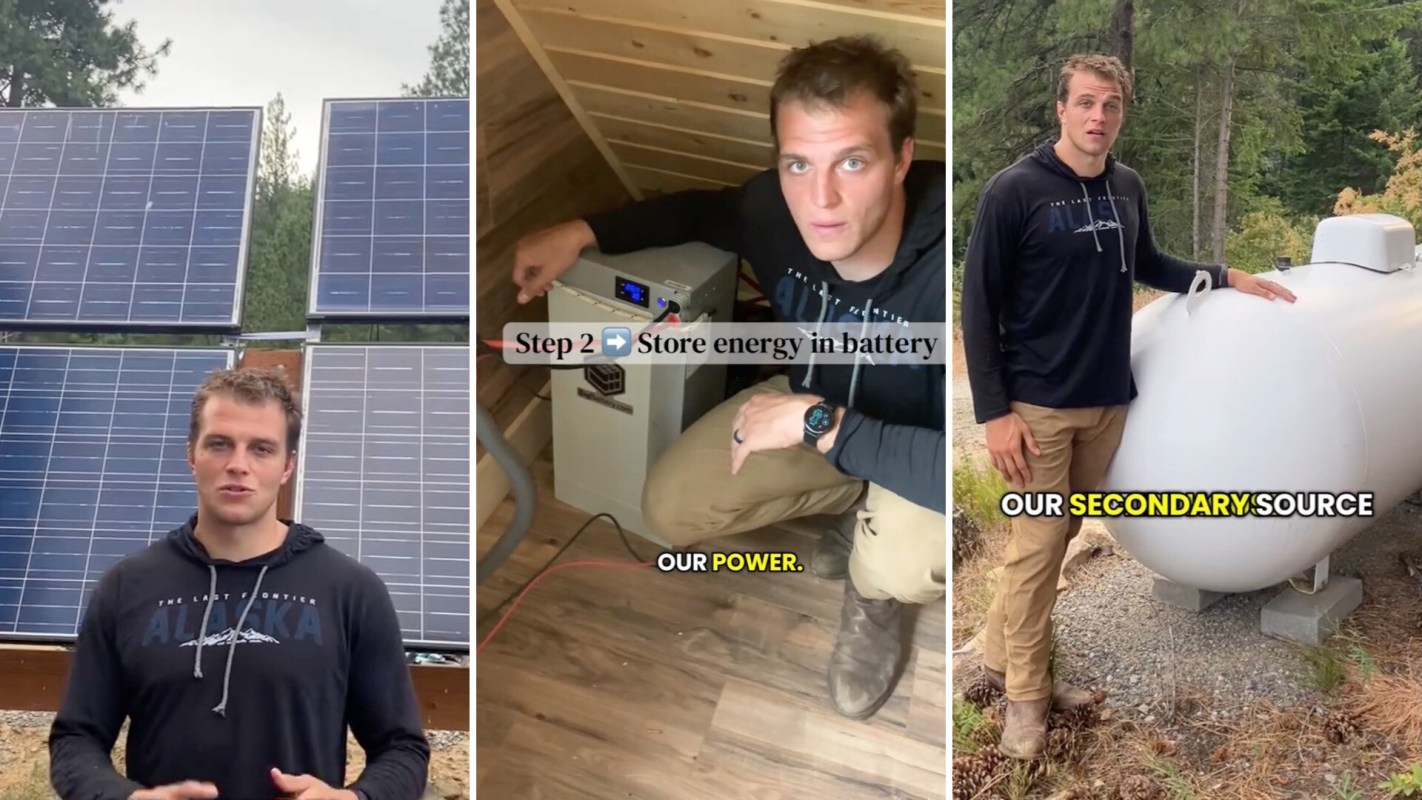
In a recent walkthrough of his Rocky Mountain home, posted on TikTok, the off-grid homeowner showed how his property operates without a standard utility hookup.
His explanation centered on the flow of electricity through the property. Solar panels were central to the setup.
As he put it: "Our main source of power here comes from the sun. With this current setup, we are able to power our Starlink, our sound machines, light machines, anything charging, whether it's a computer or phones, really comfortably."
@wildnorthfamily We get power from the sun. Living off-grid means creating our own energy system. Here's how it works: Step 1 ➡️ Solar panels capture energy from the sun and convert it into electricity. Step 2 ➡️ That energy is stored in our battery bank so we can use it day or night, even when the sun isn't shining. Step 3 ➡️ The inverter converts the stored DC power from the batteries into AC power that runs the lights, appliances, and everything we need in our home. Would you try solar energy? Let us know your questions in the comments! #solarpower #offgrid #offgridlife #homestead #family ♬ original sound - wildnorthfamily
Sunlight is captured by solar panels, held in batteries for later use, and then turned by an inverter into power the house can run on.
TCD Picks » Quince Spotlight
💡These best-sellers from Quince deliver affordable, sustainable luxury for all




Right now, the family said, the setup consists of 1,000 watts of solar, a battery bank, a solar generator, and a 3,000-watt inverter.
But they also use propane as a secondary source of power. The family also uses this propane for their fridge and stove and keeps an 11,000-watt tri-fuel generator available as backup for stretches with less sun.
They could eventually replace the propane with more panels and a battery system, but propane may be a cheaper upfront option even though the refueling costs will add up to a higher total over time — likely more than five years, depending on the propane and solar installation costs in their off-grid area.
It goes to show, though, that solar can take a huge bite out of anyone's energy costs with the right setup, without necessarily having to go all or nothing. Installing solar is primarily about harvesting abundant energy from the sun instead of letting it pass you by.
Why does it matter?
More households are looking for ways to cut monthly energy costs, add backup power, or become less vulnerable to outages. A fully off-grid lifestyle may not be realistic for most people, but solar can still play a role in a home energy strategy.
The setup here is a blend rather than a single-source solution, with solar doing much of the work and propane appliances plus a generator covering other needs. Many households combine technologies to improve resilience and save money where possible.
If this kind of setup sounds appealing, the first step does not have to be going fully off-grid. For most homeowners, a more realistic place to start is understanding how much electricity they use, when they use it most, and whether solar panels alongside a home battery could help lower bills or reduce grid dependence.
Then, using a comparison tool like EnergySage is a natural next step to get quotes from multiple installers in your area without requiring any of them to come to your house or even get your phone number. You can see review scores for each one from other EnergySage customers, so generally, once you pick one with a good reputation, you can trust them to guide you through the process from there.

Get TCD's free newsletters for easy tips, smart advice, and a chance to earn $5,000 toward home upgrades. To see more stories like this one, change your Google preferences here.






