


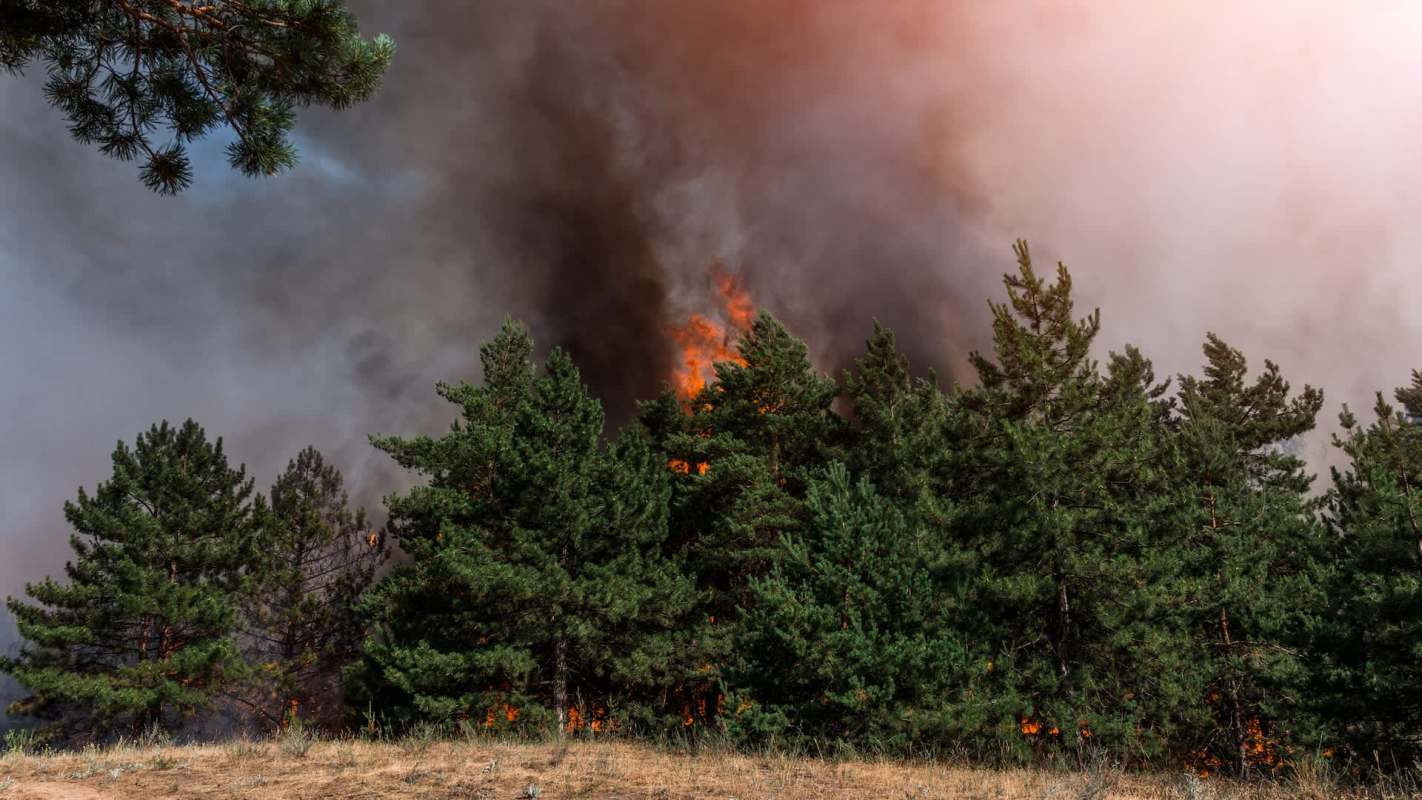
Wildfire smoke generated in Ontario and Minnesota is spreading into the Great Lakes and Northeast, bringing a higher risk of hazardous air and possibly even orange-tinted skies like those seen over New York City in 2023.
What's happening?
A dangerous mix of smoke, heat, and sharply reduced visibility was predicted for huge swaths of the U.S., largely thanks to dozens of Canadian wildfires.
Canada is currently experiencing an onslaught of wildfires. Ontario alone reported 32 new wildfires Monday, mostly in the western part of the province, while 46 others were still burning out of control, according to Fox Weather.
Combined with broader fire activity in the Upper Midwest earlier this week, that smoke is now expected to drift toward larger population centers farther east.
In Minnesota, air quality alerts were issued across northeastern parts of the state, including Two Harbors, Hibbing, Ely, and the Grand Portage Tribal Nation, as fire conditions changed quickly Monday, per Fox Weather.
Now, haze is likely to spread across the Upper Midwest and Great Lakes first, before the plumes of smoke reach Interstate 95 cities such as Boston, New York City, and Philadelphia.
TCD Picks » Quince Spotlight
💡These best-sellers from Quince deliver affordable, sustainable luxury for all




The Fox Forecast Center warned: "Under the thickest bands of the plume, reduced visibilities are possible, and air quality will likely become very unhealthy if the latest computer forecast models hold true."
Why does it matter?
Fine particle pollution can irritate the eyes and throat, worsen asthma, trigger breathing problems, and put added strain on the heart and lungs, especially for children, older adults, pregnant people, and anyone with existing health conditions.
This event is arriving just as a heat dome builds over the Northeast. High temperatures already place stress on the body, and poor air quality can make it harder for people to cool off safely outdoors or ventilate their homes by opening windows.
Hazardous smoke can also send more people to urgent care, force outdoor workers inside, delay travel, close recreation areas, and hurt local businesses that depend on summer foot traffic and tourism.
If smoke moves into your area, check local air quality updates and limit prolonged outdoor activity as conditions worsen. People with asthma or other respiratory issues may want to keep medication close at hand and follow guidance from their doctors.

Get TCD's free newsletters for easy tips, smart advice, and a chance to earn $5,000 toward home upgrades. To see more stories like this one, change your Google preferences here.







