Using sunscreen regularly has become an everyday habit for many people because it helps limit sun-related skin damage, including the risk of skin cancer.
At the same time, anti-sunscreen messages are spreading across social media, despite experts saying the claims behind them are not supported by scientific evidence.
What's happening?
Anti-sunscreen videos on TikTok are attracting millions of views, VIP Magazine reported, and search interest in claims linking sunscreen to cancer is rising too.
Figures from Glam, cited by VIP Magazine, show that searches in May for "does sunscreen cause cancer" rose by 160%, while searches for "what causes cancer in sunscreen" increased by 70%.
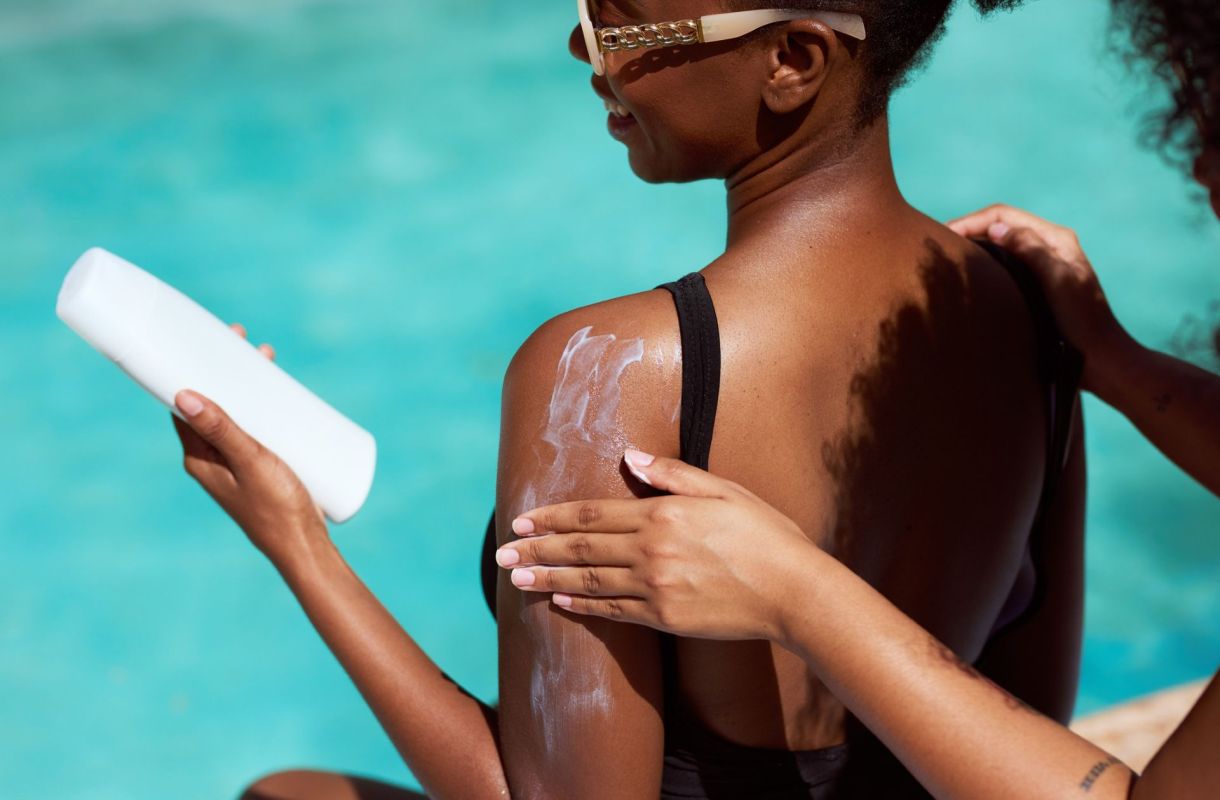
Michelle Ryan, a skin expert, said sunscreen generally falls into two main types, chemical and physical, or mineral, and that both are designed to protect skin from UVA and UVB rays. She also said the claims circulating online have "no scientific backing."
"Chemical SPFs are used to enhance the effect of the SPF and increase protection from a SPF 30 to an SPF 50," Ryan said. "The chemical filters used in SPF are highly regulated by the EU and in order to use chemical filters they have to be tested and used at a certain percentage to be safe."
TCD Picks » Quince Spotlight
💡These best-sellers from Quince deliver affordable, sustainable luxury for all




Why does it matter?
Skin cancer is closely tied to ultraviolet exposure, whether from sunlight or sunbeds. Ryan said that "nine out of 10 skin cancer diagnoses are due to UV exposure from the sun and sunbeds."
The Irish Cancer Society reported that Ireland records more than 13,000 new skin cancer cases each year, and that figure is expected to double by 2040.
The group recommends avoiding the sun when it is strongest, covering up with clothing, and using sunscreen with an SPF of 30 or higher.
UV protection can help prevent painful burns, premature skin aging, and potentially life-threatening cancers.
Framing products through "clean beauty" messaging can falsely suggest that safe, regulated sunscreen ingredients are dangerous, even without evidence.
"Skin cancer is the no. 1 cancer diagnosed globally every year and it's preventable by using SPF," Ryan said. She also warned, "A lot of the information on TikTok about chemical filters is untrue, really misleading and very worrying."
What can I do?
Sunscreen remains one part of a broader sun-safety routine.
Ryan said many products combine chemical and mineral filters "to protect from UVA, UVB, infrared and blue lights to maximise on protection," while also making formulas easier to wear under makeup.
Guidance from cancer organizations, dermatologists, and public health agencies is more reliable than viral videos on social media.

Get TCD's free newsletters for easy tips, smart advice, and a chance to earn $5,000 toward home upgrades. To see more stories like this one, change your Google preferences here.