


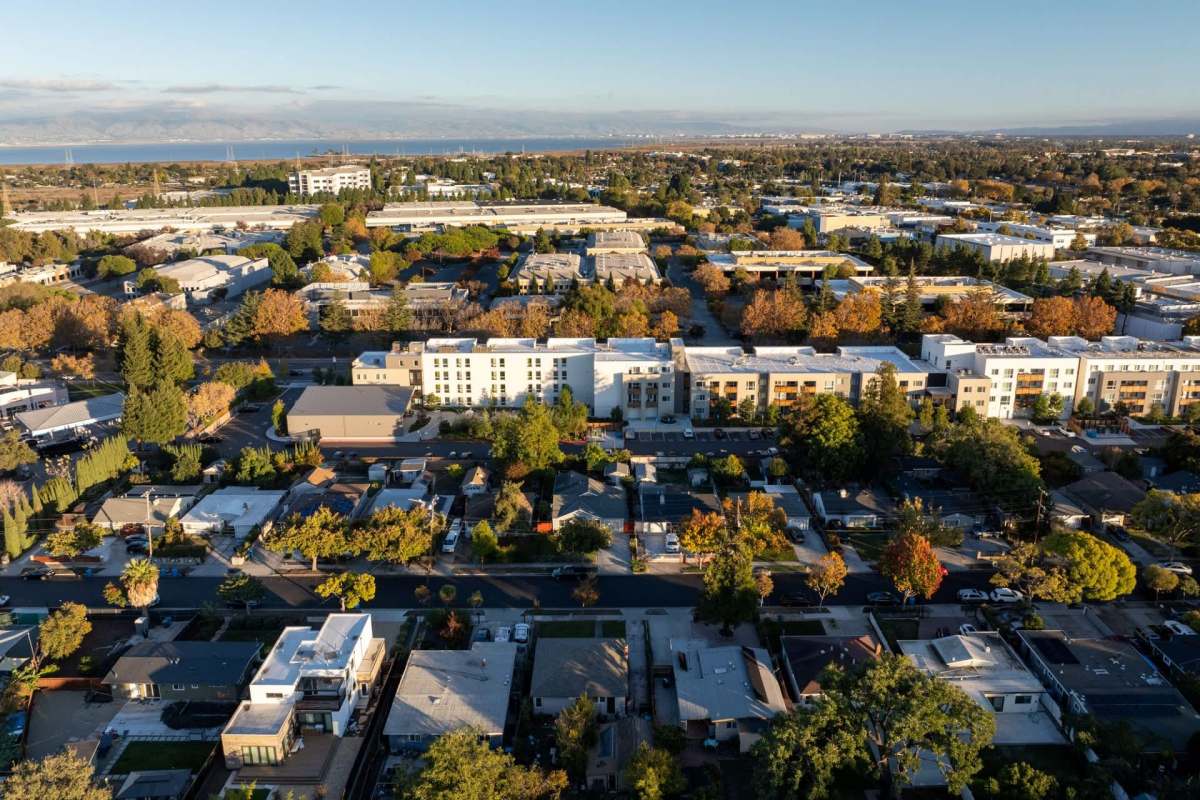
Palo Alto homeowners are seeing assessed values rise again, adding to a tax picture that can help fund schools and other local services while also deepening affordability concerns.
New county figures show Palo Alto's assessed property values climbed 5.47% in 2025, faster than the county as a whole, as Palo Alto Online reported.
What's happening?
The Santa Clara County Assessor's Office said Palo Alto not only topped last year's 4.62% increase but also finished above the countywide growth rate of 4.74%.
Santa Clara County Assessor Neysa Fligor said the numbers reflect a split market: homes are still driving gains, while commercial office properties remain under strain.
Across Santa Clara County, the assessment roll reached roughly $760.1 billion after adding about $35 billion. Sunnyvale recorded the biggest jump, at 7.17%, and mostly residential cities, including Palo Alto and Los Altos, were among the stronger performers.
Proposition 13 generally caps yearly assessment growth at the lower of 2% or inflation, unless new construction or a sale prompts a reassessment. A sale resets the property's assessed value to its market value.
TCD Picks » Quince Spotlight
💡These best-sellers from Quince deliver affordable, sustainable luxury for all




The assessor's report said data centers are contributing more to overall growth. Santa Clara alone has at least 50, and more are being built in San Jose.
Why does it matter?
Palo Alto Online reported that local property taxes are levied based on the county's assessment roll, helping to pay for public schools and other basic services. As those values move up, the revenue base for local governments can grow as well.
In one of the country's most expensive housing markets, rising assessed values can increase financial strain for recent buyers and for homeowners considering renovations or new construction. Weakness in the commercial sector adds another layer of uncertainty, especially if office vacancies continue to weigh on local economic recovery.
California's property tax system also produces uneven outcomes. Proposition 13 shields longtime property owners from sharp increases, but it also leaves newer buyers paying much higher tax assessments than neighbors in similar homes. That imbalance makes homeownership harder to attain and complicates community planning.
Palo Alto Online also reported a steep rise in temporary Proposition 8 reductions, which are used when a property's market value drops below its assessed value. In 2025, those reductions totaled $9.4 billion, up $3.3 billion from 2024, and 24,727 properties were in decline status, nearly three times the previous year.
What's being done?
Before filing a formal appeal, owners who think their property has been assessed too highly can request a free informal review, according to Palo Alto Online.
Roughly $153.6 billion in assessed value is currently under appeal, Palo Alto Online reported. Homeowners have until Aug. 8 to request a review, and if they still disagree afterward, they can submit a formal assessment appeal by Sept. 15.
Fligor said, "A significant number of the reviews are resolved with the property owner, avoiding a possibly lengthy and costly appeal process."

Get TCD's free newsletters for easy tips, smart advice, and a chance to earn $5,000 toward home upgrades. To see more stories like this one, change your Google preferences here.






