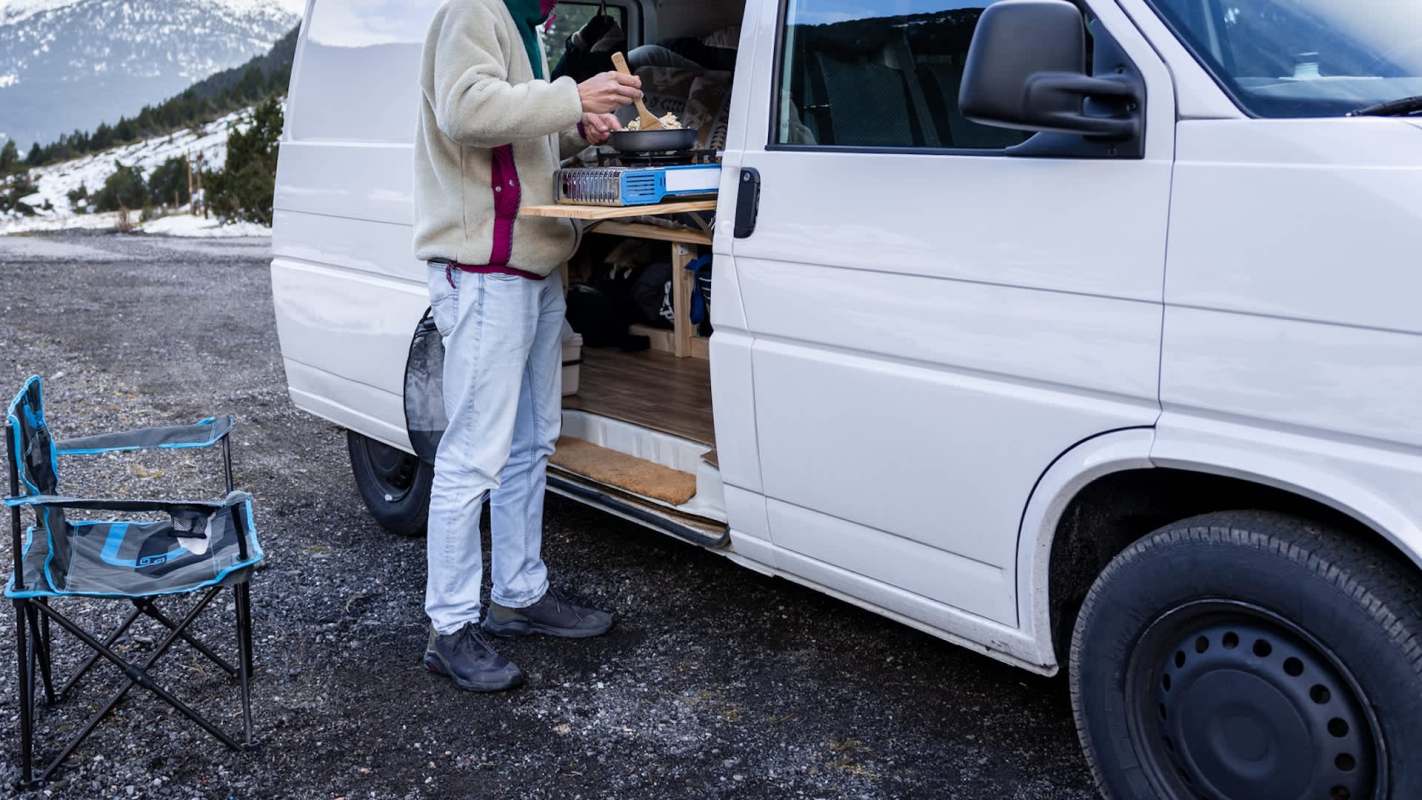
Outside St. George, Utah, a person living full-time in a van was asleep on permitted public land when an early knock at the door sparked the kind of anxiety many vehicle residents know well.
The visitors, however, were not there to make them leave. They were conducting a local count of people considered homeless.
What happened?
In a first-person essay for Big Think, Jasna Hodžić recalled being jolted awake at 7 a.m. by a "swift, hard knock" after nearly six years in a converted Sprinter van.
She wrote that she was parked legally with an annual permit on public land shared with other vans, RVs, and trailers. But when the door opened, a woman holding a clipboard said: "Hello! We're here surveying the local homeless population."
The interaction reflects a growing tension at the center of modern vehicle living. A person may have shelter and income and may have chosen the lifestyle deliberately yet still fail to fit neatly into traditional housing categories.
The van became the writer's full-time home in 2019 while they were completing a doctorate remotely and working online, a setup that let them stay near rock-climbing areas. Rather than echoing the polished image of van life common online, the essay centers the harder parts: isolation, safety worries, leaks, and breakdowns that can make freedom feel unstable.
TCD Picks » Quince Spotlight
💡These best-sellers from Quince deliver affordable, sustainable luxury for all




Why does it matter?
The story sits at the intersection of housing costs, personal freedom, and public policy. More people are rethinking what home can look like, whether to save money, stay close to nature, or create flexibility for work and travel.
Vehicle living can bring advantages. It may ease rent or mortgage pressure, make relocation simple, and allow people to stay near jobs or hobbies without paying for conventional housing in multiple places. In the writer's case, it helped support a remote academic and outdoor lifestyle.
It also shows how quickly the romantic image can break down. Without a fixed address, officials, neighbors, and service providers may struggle to categorize someone. Meanwhile, everyday life can involve equipment failures, limited privacy, and nights when personal safety feels uncertain instead of the scenic campsites and custom builds highlighted on social media.
That distinction affects how communities count, regulate, and support people living in vehicles, especially when some are there by choice and others by necessity.
What can I do?
Moving into a vehicle full-time may not be realistic — or desirable — for everyone. Smaller takeaways include reassessing housing needs, downsizing, and exploring flexible living arrangements that lower overhead without sacrificing comfort and stability.
Anyone considering mobile living also has to plan for local laws, legal parking, campground or permit fees, mail, health insurance, waste, water, and emergency repairs. Hodžić's account suggests the lifestyle works best when it serves a clear purpose.
Her advice was blunt: "Have something real at the center of it." The van or trailer, she added, "should be a means to an end — not the end itself."

Get TCD's free newsletters for easy tips, smart advice, and a chance to earn $5,000 toward home upgrades. To see more stories like this one, change your Google preferences here.