


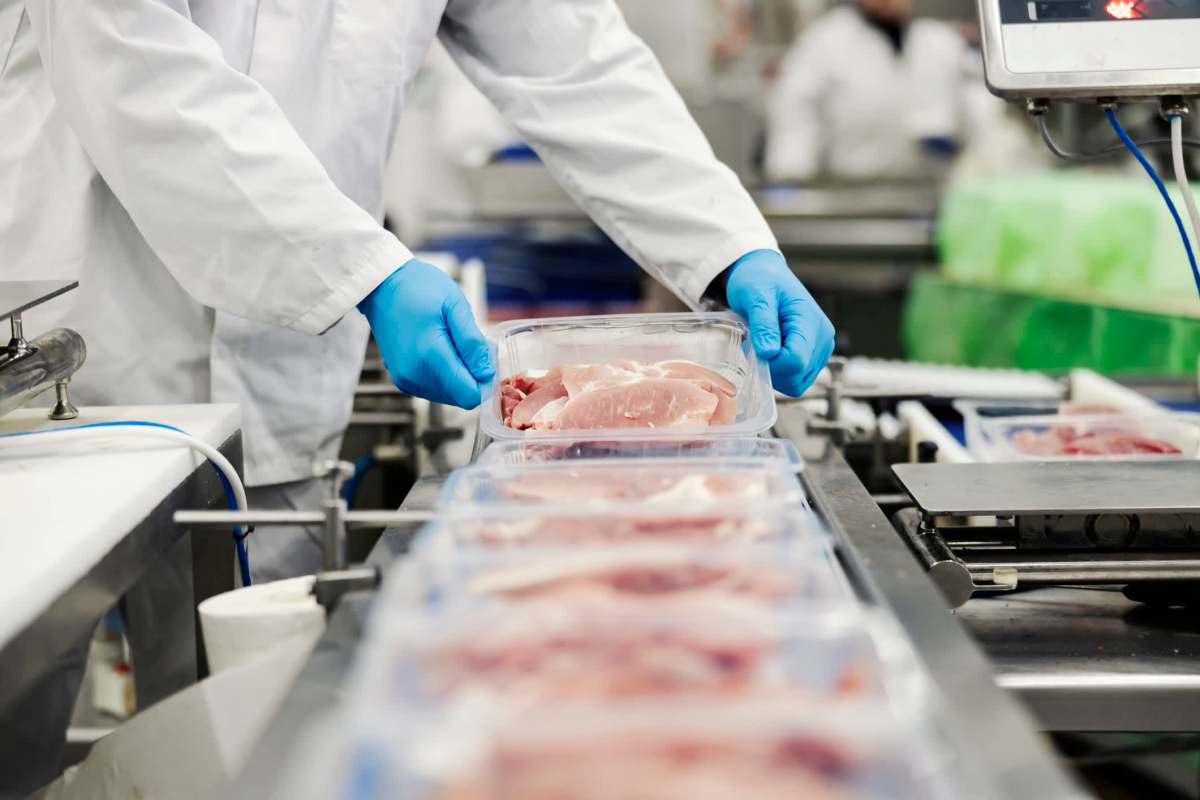
JBS — the world's largest beef and poultry company — has abandoned its 2040 net-zero goal, a major reversal from one of the meat industry's biggest climate action pledges.
Instead of trying to cut pollution across the full reach of its business, the company now plans to focus on a far smaller part of its footprint.
What happened?
According to ESG Dive, JBS laid out the change in its latest sustainability report. That update also dropped the company's goals for Scope 3 emissions, the supply-chain pollution that makes up most of its emissions.
JBS says it will still target Scope 1 and 2 emissions, which account for only 3% of its carbon footprint. Its Scope 3 emissions, by comparison, topped 203 million tons of carbon dioxide equivalent last year.
Global chief sustainability officer Jason Weller said in a statement released alongside the report that the company determined its goal was too difficult to put into practice.
"The further we got into execution, the clearer it became that a Net Zero goal spanning hundreds of thousands of independent agricultural producers across tens of millions of hectares in dozens of countries — each with different practices, different baselines, and no standardized measurement infrastructure — is an immense challenge," Weller said.
TCD Picks » Quince Spotlight
💡These best-sellers from Quince deliver affordable, sustainable luxury for all




Going forward, JBS says it will cut Scope 1 and 2 emissions 30% by 2030 and 70% by 2050 relative to a 2019 baseline.
Why does it matter?
Livestock supply chains that balloon far past Earth's historical levels to keep up with human population spikes are a major source of planet-warming pollution, and those emissions contribute to rising temperatures, more extreme weather, and disruptions that can drive up food costs and strain communities.
The company's retreat also follows legal pressure. In 2024, New York Attorney General Letitia James sued JBS, alleging its advertising misled consumers about its environmental efforts and that the company had "no viable plan" to meet its 2040 target.
That case ended in November with a settlement. Under the agreement, JBS committed $1.1 million to climate-smart agriculture in New York and agreed to describe the now-abandoned 2040 target as a "goal," not a pledge or commitment.
What's being done?
JBS says it is still addressing climate issues but with a narrower focus on pollution directly tied to its operations. While that may be easier to measure, it leaves the company's largest source of pollution largely unaddressed.
Regulators and attorneys general are continuing to play a role in such situations by challenging corporate claims that overstate environmental progress. These cases can push companies to be more precise about what they are doing as compared to what they are advertising.
Weller said JBS was "not walking away from challenges and opportunities" presented by the changing climate but "sharpening its climate goals."

Get TCD's free newsletters for easy tips, smart advice, and a chance to earn $5,000 toward home upgrades. To see more stories like this one, change your Google preferences here.






