


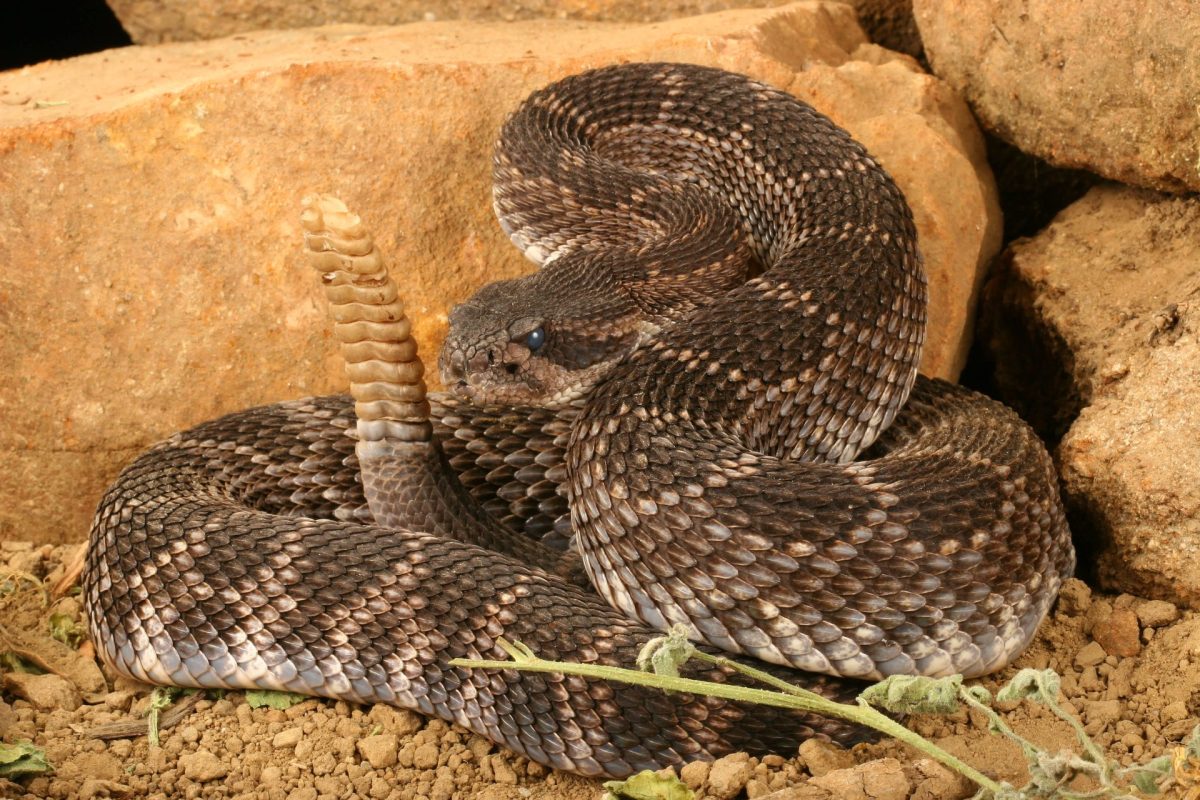
For years, hikers and homeowners have heard the same warning: Watch out for baby rattlesnakes because they are more dangerous than adults.
However, a new California study shows that common advice has the risk backward.
Adult rattlesnakes generally deliver the more dangerous bites because they carry and inject much more venom.
What happened?
Last week's Toxins paper argues that the larger threat usually comes from adult rattlesnakes, not juveniles.
According to ScienceDaily, Loma Linda University researchers examined the long history of the claim and found that young snakes are not inherently more dangerous, while adults more often cause severe envenomation.
William Hayes, a professor of biology at the School of Medicine and the study's lead researcher, said the evidence does not support another familiar warning, either.
TCD Picks » Quince Spotlight
💡These best-sellers from Quince deliver affordable, sustainable luxury for all




Hayes said baby rattlesnakes can control venom release just as adults do rather than automatically injecting all of it into a victim.
Though reporting has improved since 2015, the misconception still appears in media coverage and even professional settings. The researchers said they traced the myth back to at least 1967 and found that California news coverage helped spread it during the 1970s, 1980s, and 1990s.
According to the study, the false belief has led to "negative consequences, including misinformed risk-taking by those encountering snakes, unwarranted fear among snakebite victims, and inappropriate care delivered by misinformed or patient/family-pressured medical professionals."
Why does it matter?
In the study, 53% of surveyed Southern California students believed the myth along with 73% of the emergency responders and health care professionals who participated in the research. That level of acceptance can influence how people respond in emergencies.
If people underestimate large rattlesnakes or push for the wrong treatment after a bite, outcomes can worsen.
Hayes emphasized that any rattlesnake bite is still a medical emergency and that antivenom is the only effective treatment.
Fear-driven myths can also lead people to harm or kill rattlesnakes even though they play an important ecological role and populations have declined in many parts of the United States.
What can I do?
If you encounter a rattlesnake, the best response is simple: Keep your distance, and leave it alone. Do not try to handle it, relocate it, or kill it. Most bites happen when people get too close or try to intervene.
On the trail, stick to marked paths, watch where you place your hands and feet, and wear sturdy shoes or boots in snake habitat. Around your yard and home, reduce clutter where snakes may hide and call a trained wildlife professional if one needs to be removed.
If a bite does occur, seek immediate medical attention. Skip outdated home remedies, and do not assume the snake's age determines how serious the bite will be.
"We're hoping to get the word out so that we can get this myth corrected," Hayes told ScienceDaily. "There's no need for hikers to have unwarranted fear of baby rattlesnakes or to think they need to harm or kill the snakes."

Get TCD's free newsletters for easy tips, smart advice, and a chance to earn $5,000 toward home upgrades. To see more stories like this one, change your Google preferences here.






