


Researchers are investigating whether a form of cloud-focused geoengineering could one day blunt the worst El Niño events, even as forecasters watch for one that may arrive earlier than usual and grow unusually strong.
If it works, the method might reduce some of the flooding, drought, wildfire risk, and intense storms associated with the most severe El Niño years.
What's happening?
In a recent Science Advances study, scientists evaluated whether marine cloud brightening could make a future Super El Niño less likely.
As BroBible reported, the research comes while forecasters monitor signs of an El Niño that could develop unusually early and become especially intense.
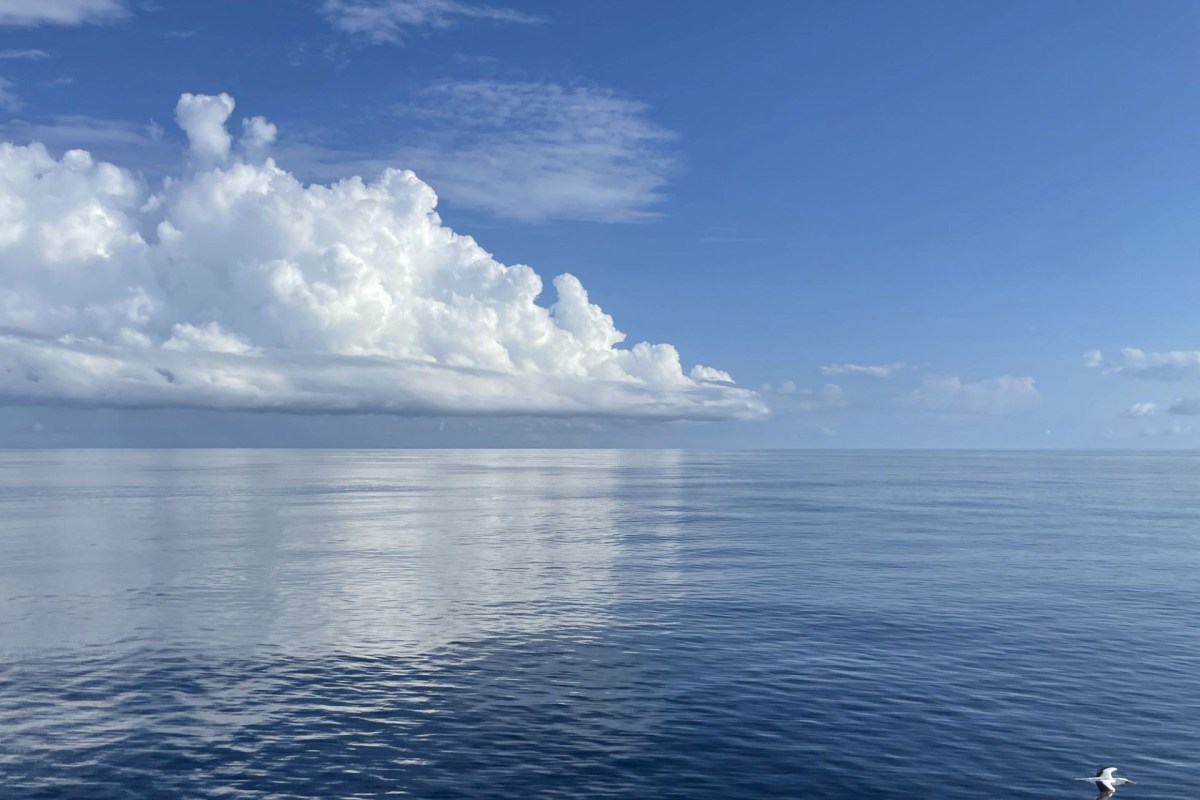
Marine cloud brightening is a solar geoengineering concept that would use fine sprays of seawater to alter low-level ocean clouds, making them thicker and brighter so they reflect more sunlight back into space rather than allowing that energy to warm the surface.
The paper emphasized that the concept remains theoretical.
TCD Picks » Quince Spotlight
💡These best-sellers from Quince deliver affordable, sustainable luxury for all




Researchers wrote that "Marine cloud brightening (MCB), a solar geoengineering proposal to reduce long-term warming, could theoretically mitigate extremes by instead targeting seasonal-to-multiyear phenomena, such as El Niño–Southern Oscillation (ENSO). Yet the effectiveness of regional MCB to deliberately modify ENSO has not been tested."
Why does it matter?
A strong El Niño reshapes weather patterns worldwide, and the most powerful events can bring especially destructive consequences for communities.
Depending on the region, that can mean heavier rain and flooding, stronger storms, drought, crop losses, wildfire conditions, and steep economic costs.
Extreme weather can drive up insurance costs, disrupt food supply chains, damage homes and roads, and threaten power grids during heat waves or severe storms.
During the 2019-2020 Australian wildfires, atmospheric changes resembled the cloud effects that marine cloud brightening is intended to produce, suggesting that shifts in cloud properties could influence Pacific climate patterns.
Geoengineering raises major scientific, political, and ethical questions, particularly when weather changes in one region could affect another.
What's being done?
For now, most of the work is happening in computer models and research papers, not in the sky.
Scientists are trying to determine whether marine cloud brightening could safely weaken extreme climate patterns without triggering unintended consequences elsewhere.
Several states, including Tennessee, Florida, and Montana, have moved to restrict or ban cloud seeding-related activities, underscoring how politically fraught any future large-scale atmospheric intervention could become.
Cutting the pollution that is overheating the planet remains the most reliable way to reduce the odds of increasingly extreme climate disruptions.

Get TCD's free newsletters for easy tips, smart advice, and a chance to earn $5,000 toward home upgrades. To see more stories like this one, change your Google preferences here.






