


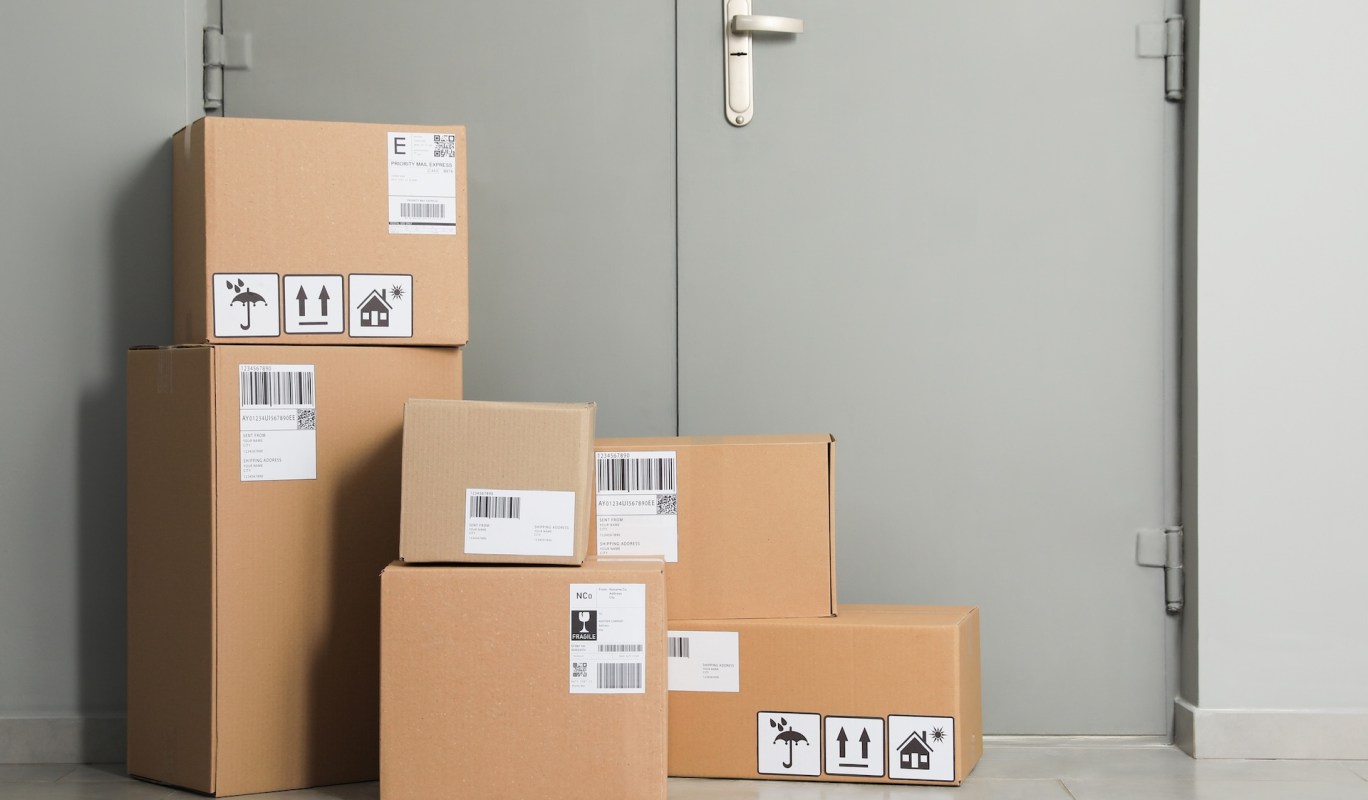
In seven states, packaging rules are shifting toward a model that makes the companies behind products help finance dealing with the waste those products leave behind.
A practical obstacle lies beneath that change: Many major brands still do not keep all their packaging information in a single, organized place.
What's happening?
Extended producer responsibility, or EPR, packaging laws are now in effect in California, Colorado, Maine, Maryland, Minnesota, Oregon, and Washington. Under those laws, covered producers — including brand owners, importers, and retailers — must join a Producer Responsibility Organization that collects fees and helps fund recycling and collection programs.
As Earth911 reported, states set those fees based on factors such as packaging material, weight, and how each state categorizes it.
For many companies, pulling that information together is difficult because the records are often spread across teams such as legal, sustainability, supply chain, and product development.
To help standardize that process, GS1 US — the group behind barcode standards such as the Universal Product Code — released new guidance for reporting, the first of its kind in the industry. The framework relies on existing identifiers, including Global Trade Item Numbers and Global Location Numbers, to connect products with the packaging materials associated with them as they move through supply chains.
TCD Picks » Quince Spotlight
💡These best-sellers from Quince deliver affordable, sustainable luxury for all




The timeline is already getting tighter: Oregon began collecting producer fees in July 2025, Colorado used that same date for producer registration, Maine starts its program in 2026 with full implementation in 2027, and California requires registration by January 2027. California will also phase in stricter recyclability performance standards through 2032.
"EPR requirements are evolving quickly and vary by state, creating new complexity for producers," said Michelle Covey, vice president of customer success at GS1 US. "This guideline helps organizations take a practical, standards-based approach to managing packaging data so they can meet regulatory requirements more efficiently while also supporting broader sustainability and circular economy goals."
Why does it matter?
The amount of packaging waste involved is enormous. In California alone, nearly 8.5 million tons of single-use packaging and food containers ended up in landfills in 2024, according to CalRecycle, while containers and packaging make up about 28% of municipal waste nationwide.
A central aim of EPR is to create a more dependable way to fund recycling infrastructure by moving more of the cost from taxpayers to the brands that use packaging. The EPA estimates that increasing the U.S. recycling rate from roughly 32% to as high as 61% would require $36.5 billion to $43.4 billion in expanded collection and processing capacity.
That model only works if producers report accurately. When a company discloses less packaging than it actually uses — whether deliberately or because its records are fragmented — the result can be less money for recycling programs and slower progress on infrastructure improvements.
It's important to hold major corporations accountable as their actions can take a toll on the environment — a report criticized Coca-Cola for producing about 3.3 million tons of plastic packaging annually while allegedly failing to meet public commitments to reduce plastic waste.
Another feature is eco-modulation, which adjusts fees based on packaging design. Brands may pay less for packaging with better recyclability or recycled content, while materials that are harder to recycle can cost more, so stronger data could eventually influence the packaging consumers see on store shelves.
What can I do?
If your state already has an EPR law, or is considering one, you can contact lawmakers to support policies that make producers more responsible for packaging waste.
When shopping, it can also help to look for more specific recyclability information instead of broad green claims. Labels such as How2Recycle can offer more practical guidance, and tools like Earth911's recycling search can help you see what is accepted locally.
You can also support deposit-return and reuse programs where they exist and reduce packaging when possible by shopping in bulk, choosing concentrated products, or relying on refillable containers. For more ways to reduce waste at home, check out the TCD Guide's page on choosing plastic-free options for everyday products.
The Cool Down has also covered how companies and lawmakers are rethinking waste systems, including efforts to reduce single-use plastic packaging and expand smarter recycling solutions.

Get TCD's free newsletters for easy tips, smart advice, and a chance to earn $5,000 toward home upgrades. To see more stories like this one, change your Google preferences here.






