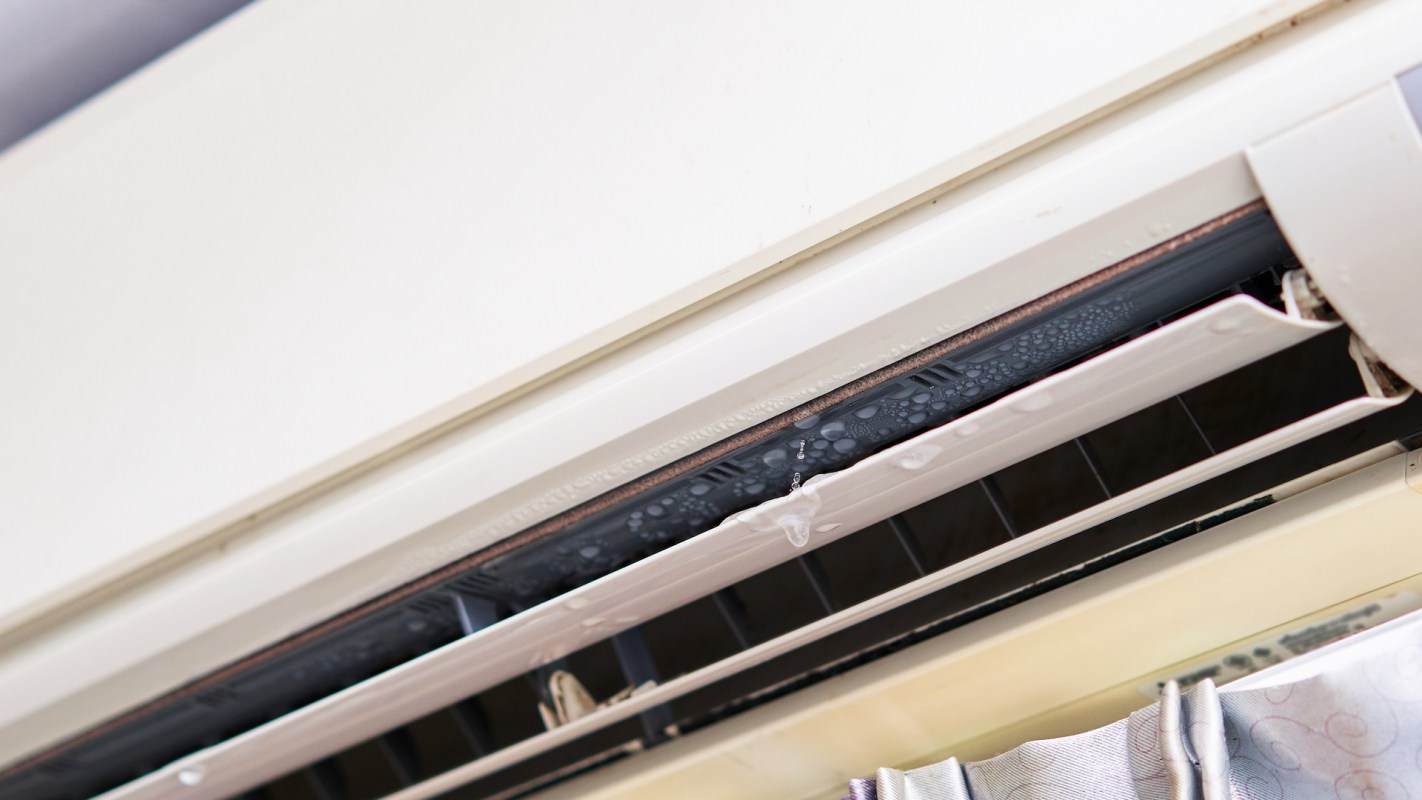
For Arizona tenants, a broken air conditioner in the middle of summer can quickly shift from an inconvenience to a safety threat. Tenant advocates say renters may have stronger legal options than they think, but those protections depend on moving fast and keeping good records.
What's happening?
The topic resurfaced after the Arizona attorney general stepped in at a Glendale apartment complex last week, according to Arizona's Family. Rental assistance workers and legal experts told the outlet that Arizona law can treat an AC failure during extreme heat as an emergency.
Under Arizona law, landlords are responsible for maintaining essential services and correcting problems that threaten health or safety. Experts told the outlet that when temperatures rise above 100 degrees, landlords generally have five days to fix the problem. At 85 degrees, the usual timeline is 10 days.
Ernesto Lopez of the City of Phoenix Landlord and Tenant Program told Arizona's Family that renters should begin keeping records as soon as the AC stops working. He said tenants should hang on to a copy of the lease, take photos or screenshots showing the thermostat reading, save all communication with the landlord, and provide written notice.
Why does it matter?
In a state where summer heat can turn life-threatening, losing air conditioning is about far more than discomfort. It can create an immediate health and safety risk, especially for children, older adults, and people with medical conditions.
Scottsdale attorney Matthew Bartley told Arizona's Family that tenants may have additional remedies if essential services are not restored, and that an AC failure during triple-digit temperatures qualifies as an emergency under the Arizona Residential Landlord and Tenant Act.
TCD Picks » Good Store Spotlight
Get 10% off your next purchase with code TCD10




Bartley said, "They're able to take matters into their own hands. They're able to reach out to an attorney. They're able to file the complaints."
Across the country, rules imposed by landlords or property managers can make it harder for residents to protect both their budgets and their quality of life. Nationwide, some renters have faced restrictions on money-saving lifestyle changes such as gardening or hanging clotheslines to dry laundry — limitations that can reduce resilience during costly, high-stress periods like summer heat waves.
What can I do?
Experts say documentation should come first. Lopez told Arizona's Family that it is especially important for renters to be able to prove their written notice was actually delivered.
"The best documentation to have is a piece of paper and a witness signature on that piece of paper," Lopez said.
Even if repairs are delayed, Lopez said renters should not simply stop paying rent on their own.
"There is a clear separation between repairs and the financial responsibility of rent," Lopez said.
Instead, as Arizona's Family reported, tenants may be able to pursue reimbursement later, potentially through legal action, while staying in compliance with the law.
Bartley also told Arizona's Family that if the situation becomes severe and repairs are still not made, a tenant could end up moving out, since "the landlord has then broken the lease." He added that skipped repairs could also mean "the landlord would then have breached the implied warranty of habitability."
Renters who need help paying for a lawyer can turn to free community resources or legal aid, and they can also file a complaint with the Arizona attorney general's office. The Cool Down's guide to updating bylaws may help when working with landlords or HOAs to change restrictive housing rules.

Get TCD's free newsletters for easy tips, smart advice, and a chance to earn $5,000 toward home upgrades. To see more stories like this one, change your Google preferences here.