


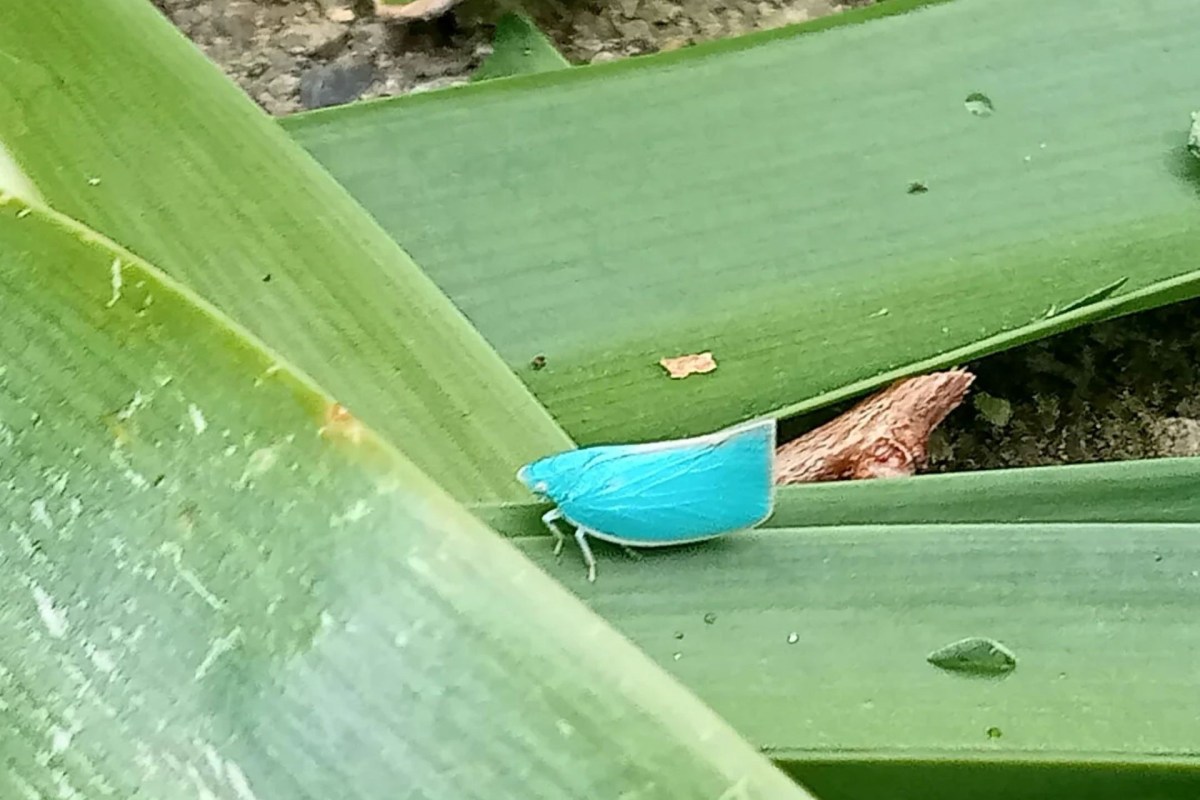
A tiny bug in New Zealand stopped scrollers in their tracks with its bright blue appearance.
Since the insect is normally pale green, the photo immediately looked unusual rather than like standard camouflage.
What happened?
The discussion started when a Reddit user shared a photo of the insect in the r/whatisthisbug forum and said it had been found in Wellington on New Zealand's North Island.
They wrote, "I see these guys all the time in their typical pale green colour (very cute, big fan) BUT NEVER BLUE?? What happened to him. Who did this. Why is he like this."
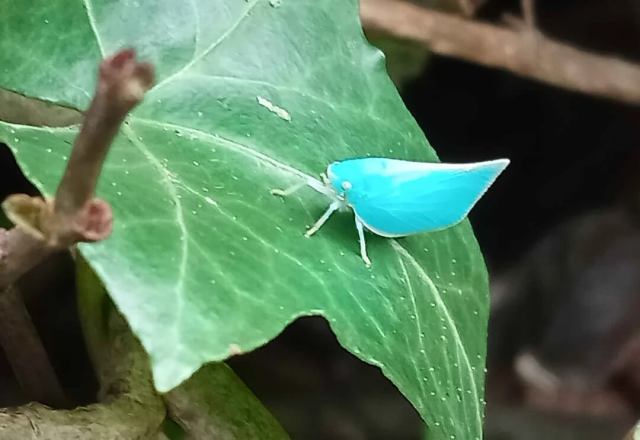
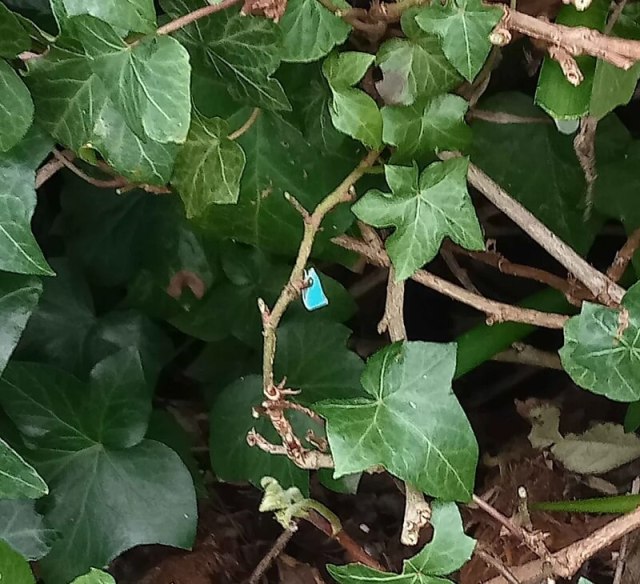
Commenters said the bug looked like a green planthopper, and one added that Siphanta acuta "is a very common species in NZ but originates in Australia."
Rather than treating it as a different insect entirely, the explanation that got the most support focused on pigmentation. "At a guess I'd say it's axanthic," one commenter wrote, comparing the condition to leucism and albinism and noting that some insects use blue and yellow pigments together to appear green.
TCD Picks » Quince Spotlight
💡These best-sellers from Quince deliver affordable, sustainable luxury for all




Under that idea, the missing color would explain the whole effect. "Without the yellow, they end up blue," they continued.
The original poster liked that comparison, replying that it sounded like a case where "the printer runs out of yellow ink."
Why does it matter?
The sighting offered a simple way to think about how pigments, genetics, and camouflage intersect. As one commenter noted more broadly, "pigment abnormalities aren't particularly uncommon in insects."
That does not mean the color change is helpful, however. The same commenter pointed out a likely tradeoff: "Unfortunately it probably stands out similarly to potential predators."
What can I do?
The Wellington location mattered because it anchored the conversation and gave nearby nature watchers something specific to look for.
Forums can help people figure out what they have found, but commenters also suggested a more formal record. One user wrote, "Upload this to [iNaturalist], I don't think NZ has any blue leafhoppers."

Get TCD's free newsletters for easy tips, smart advice, and a chance to earn $5,000 toward home upgrades. To see more stories like this one, change your Google preferences here.






