


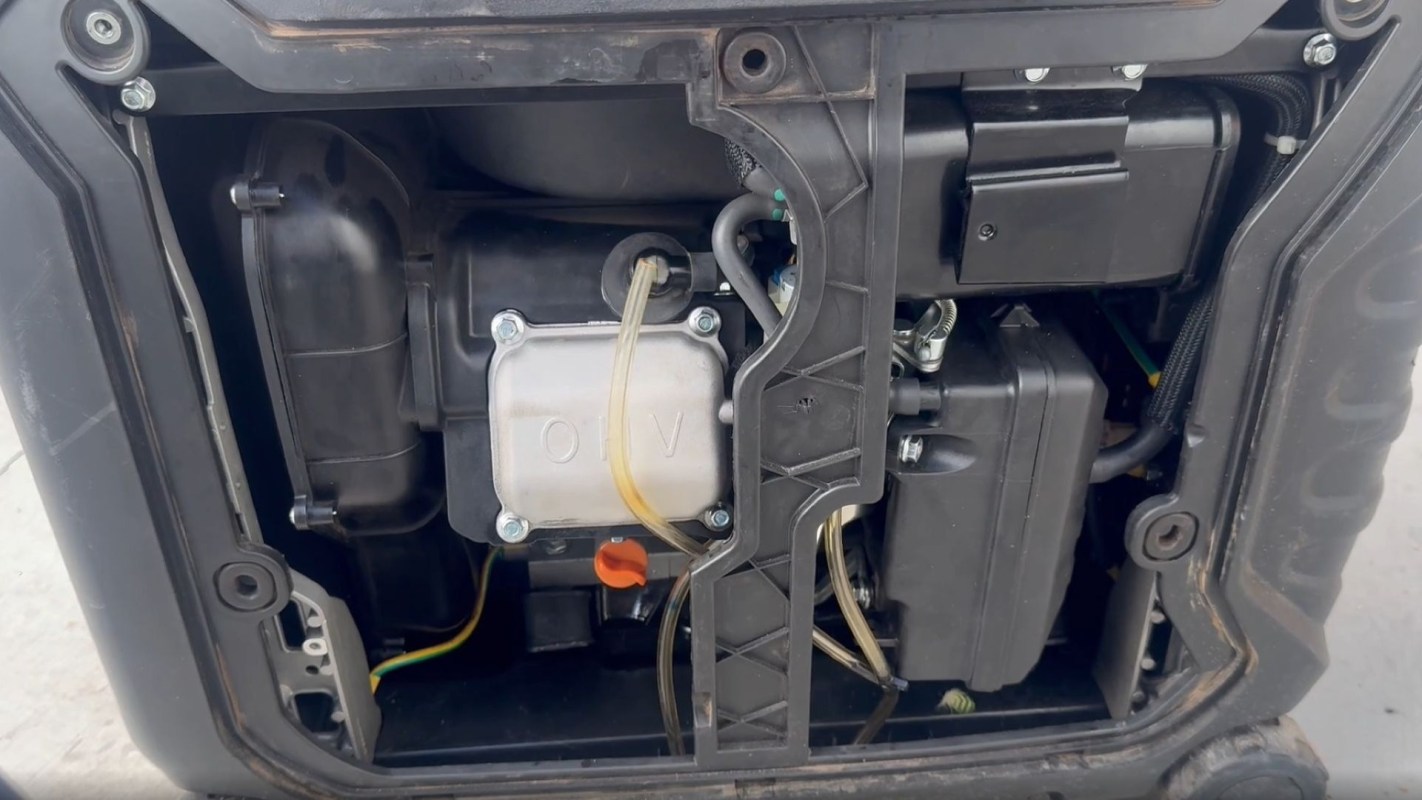
A used generator that seemed fixed after a carburetor cleanup is shutting off after just a few minutes. A frustrating problem many bargain shoppers encounter when buying secondhand backup equipment.
Trying to save money while staying ready for outages can quickly turn a good deal into an unreliable guessing game.
What happened?
In a Reddit post, the generator owner said the trouble returned a few weeks after an earlier fix. When they first bought the used unit, it would not enter run mode. After looking into the issue, they cleaned the carburetor and got it working again.
(Click here to watch the video if it doesn't appear.)
The OP and his dad later removed the carburetor again and gave it a deeper cleaning. That seemed to help for a little while, especially after the revving noise went away, but the improvement did not last. The poster added, "I put fresh gas and new oil but nothing seemed to work."
Stories like this are common with small gas-powered engines, particularly when fuel sits too long or internal parts become gummed up. While a used generator can save money upfront, repeated troubleshooting and repairs can quickly eat into those savings.
For homeowners looking beyond gas-powered backup, going solar is one of the best ways to save money on home energy. Explore EnergySage's free tools to get quick solar installation estimates and compare quotes.
Why does it matter?
A generator that runs for only five to 10 minutes before shutting off is more than just inconvenient. It can leave a household without dependable backup power when storms, heat waves, or grid outages strike.
Save $10,000 on solar panels without even sharing your phone number Want to go solar but not sure who to trust? EnergySage has your back with free and transparent quotes from fully vetted providers that can help you save as much as $10k on installation. To get started, just answer a few questions about your home — no phone number required. Within a day or two, EnergySage will email you the best local options for your needs, and their expert advisers can help you compare quotes and pick a winner. |

However, there are upsides to knowing how to repair equipment: Repairing equipment instead of throwing it away also helps reduce waste. Keeping machines in use longer means fewer metal, plastic, and engine parts heading to landfills before their time
Extending the life of existing equipment is often far cheaper than replacing it. Even routine maintenance can help owners avoid spending more than necessary on emergency gear.
What can be done?
The cheapest next steps are usually: draining old fuel completely, inspecting the gas cap vent, checking fuel lines and filters, cleaning the spark arrestor, and replacing wear items such as the spark plug or air filter if needed.
If the generator still shuts off after a few minutes, the issues get more complicated. It could involve the low-oil sensor, fuel flow, the choke system, or a partially clogged carburetor circuit that a basic cleaning missed. At that point, following the manual or seeking a diagnosis from a small-engine technician may be the best course of action.
More From EnergySage
💡Go deep on the latest news and trends shaping the residential solar landscape

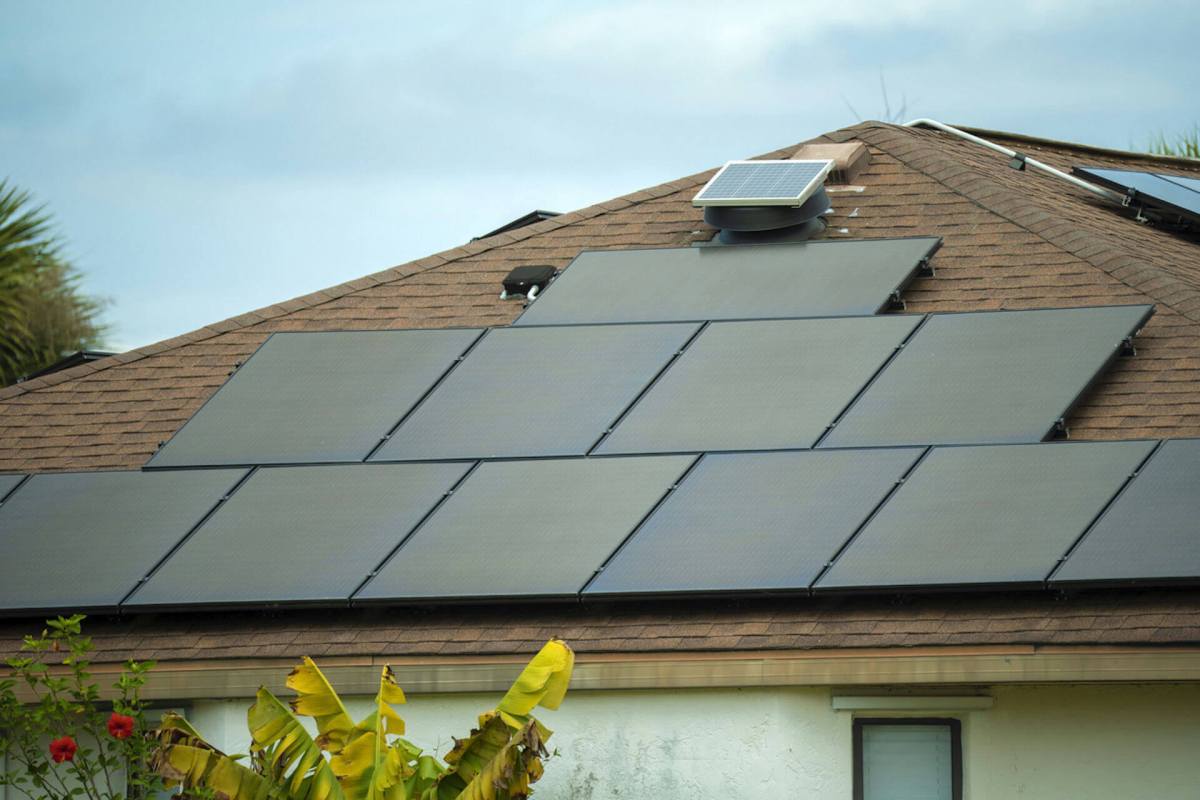

Looking into solar can be a better option for some, as it can provide emergency backup and offset power bills. Using EnergySage can help the average person save up to $10,000 on solar purchases and installations. EnergySage's solar map shows the average cost of a home solar panel system on a state-by-state level, as well as details on solar panel incentives for each state.
Adding battery storage to a solar setup can provide backup when the sun is down or the grid power cuts out. It also gives households a quieter, cleaner backup option than relying on gasoline alone. Readers can explore EnergySage's free tools for information about home battery storage options, including competitive installation estimates.
The original poster wrote: "At first it didn't work but then it did and this time without that revving noise," but "now it just stays on run for like 5-10 mins before turning off." The problem remains unsolved, but one commenter added a bit of insight: "You may have an air leak."

Get TCD's free newsletters for easy tips, smart advice, and a chance to earn $5,000 toward home upgrades. To see more stories like this one, change your Google preferences here.






