


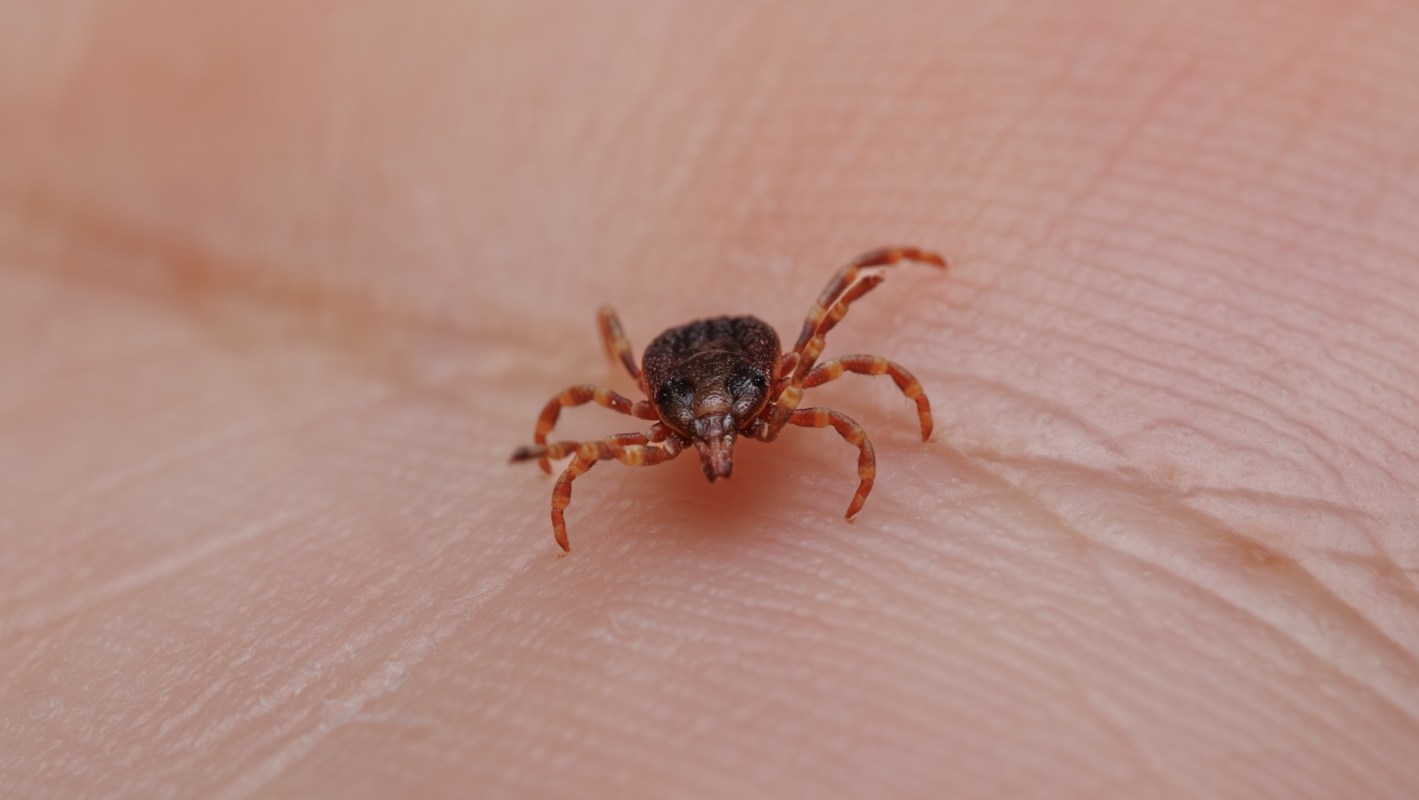
As tick-borne infections reach more parts of eastern Canada, physicians are being told not to limit their suspicion to Lyme disease.
According to a paper in the Canadian Medical Association Journal, as reported by Global News, doctors are being urged to consider anaplasmosis when patients present with unexplained fever and flu-like symptoms.
What's happening?
In the journal paper, senior author Dr. Michael Quon, an internal medicine specialist at The Ottawa Hospital, and colleagues reported on a 79-year-old man from rural eastern Ontario who became sick after spending time outdoors in an area where tick-borne disease is endemic. He developed fever, chills, and weakness, and experienced a fall.
Even though the man did not remember being bitten by a tick, doctors started doxycycline, the usual antibiotic used for both Lyme disease and anaplasmosis. He improved quickly, and later lab testing confirmed anaplasmosis.
Quon said the infection is becoming a more familiar part of clinical care.
"It's really important to be talking about this infection because we're observing it more and more in clinical practice, in internal medicine, and it's new," he said.
TCD Picks » Quince Spotlight
💡These best-sellers from Quince deliver affordable, sustainable luxury for all




Jules Koffi, a senior epidemiologist with the Public Health Agency of Canada, told Global News that blacklegged ticks have been spreading eastward from Manitoba, especially in Ontario, Quebec, and Nova Scotia.
The proportion of sampled ticks carrying Anaplasma phagocytophilum rose to 6% in 2024, compared with 3% in 2022.
Why does it matter?
At first, anaplasmosis can look like many other illnesses, bringing symptoms such as fever, fatigue, headache, and stomach problems. It can be particularly easy to miss when a patient does not remember a tick bite.
Tick-borne illnesses have been showing up in new places as rising temperatures allow ticks to stay active longer and expand their range, so doctors are adapting their diagnostic approach accordingly. Identifying the illness earlier can mean earlier treatment and a lower risk of severe complications and hospitalization.
If it is not treated, anaplasmosis can lead to kidney failure, myocarditis, brain inflammation, and acute respiratory distress.
Koffi pointed to one important clue that can help distinguish it from Lyme disease: "Lyme disease often presents with an expanding rash in its early phase while anaplasmosis usually presents as a flu-like illness without a rash."
Koffi said some patients may have both infections at once.
What can I do?
Quon urged doctors to begin treatment quickly when anaplasmosis is a real possibility rather than waiting for lab confirmation. As he put it, treatment should start promptly "because the risk of (disease) progression is significant."
Dr. Jeffrey Pernica, an infectious diseases specialist at Hamilton Health Sciences' McMaster Children's Hospital, said, "Please keep going outside."
Prevention is the biggest focus. Use insect repellent containing DEET or Icaridin, do daily tick checks, and check children carefully after outdoor play.
The Public Health Agency of Canada recommends removing attached ticks with fine-point tweezers by pulling straight out, then cleaning the area with soap and water or alcohol-based sanitizer.
People can also photograph a removed tick and submit it to eTick.ca for identification, which may help both individuals and Canada's tick-monitoring efforts.
"This is not an infection that we encountered even five years ago in the hospital," Quon said.
Still, Pernica shared a practical note of reassurance: "As long as you check yourself for ticks every day, the probability of getting these more unusual tick-borne infections plummets dramatically."

Get TCD's free newsletters for easy tips, smart advice, and a chance to earn $5,000 toward home upgrades. To see more stories like this one, change your Google preferences here.






