


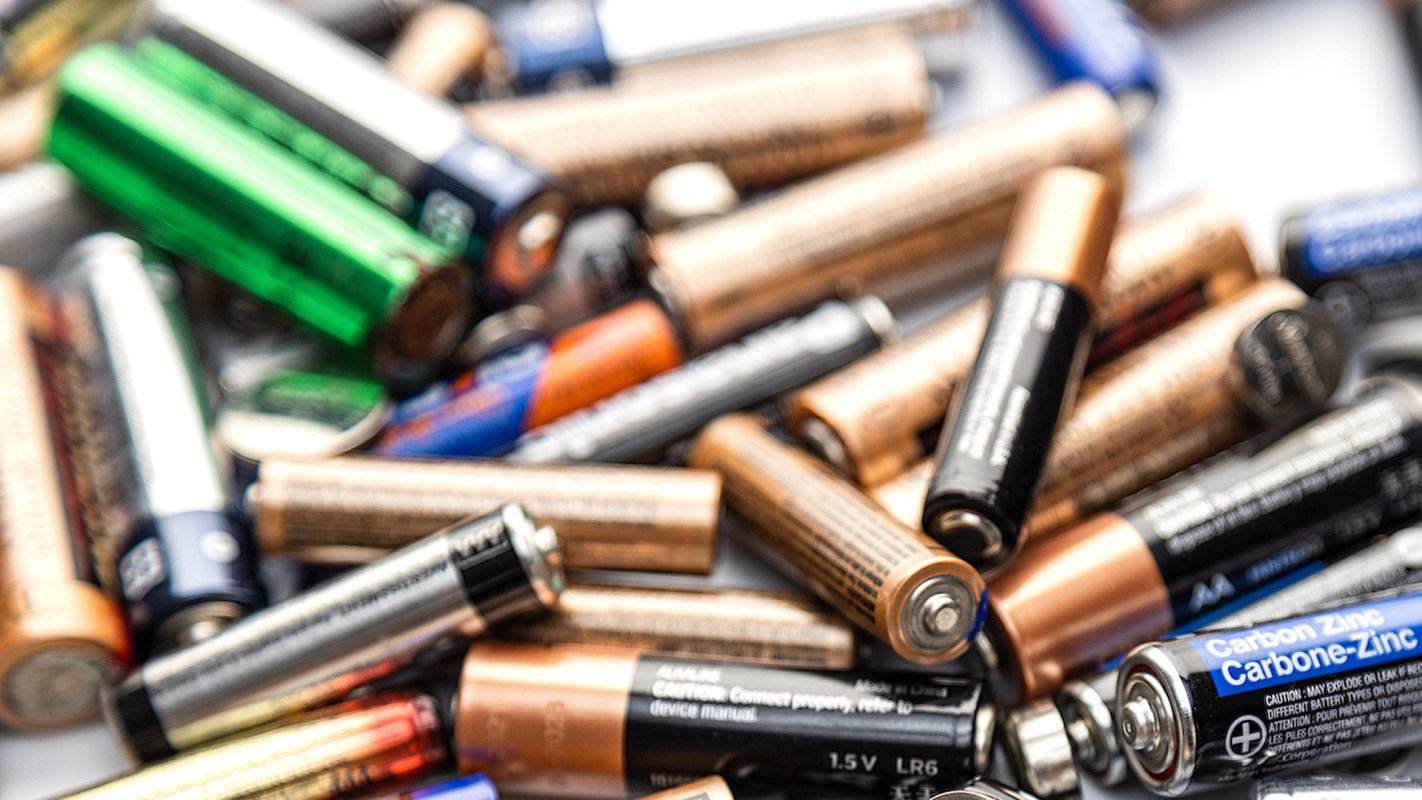
A microbe better known for its role in traditional spirits could help tackle one of the dirtiest parts of the clean energy boom: recovering lithium from old batteries.
South Korean researchers say a fungus-based process recovered over 90% of the lithium in spent battery material while avoiding heavy use of corrosive chemicals.
What happened?
According to The Korea Times, scientists at the Nakdonggang National Institute of Biological Resources, an agency under South Korea's Ministry of Environment, identified a freshwater fungus that can recover valuable metals from "black powder," the crushed material left behind when lithium-ion batteries are recycled.
The organism driving the research, Aspergillus luchuensis, has long been used in brewing distilled spirits.
Researchers said the strain performed roughly 9-23% better than conventional sulfuric acid treatments in lab testing. After 24 hours at 80 degrees Celsius (176 degrees Fahrenheit), cultural fluid from the fungus extracted up to 90.3% of the lithium from lithium cobalt oxide black powder.
Tests using NMC811 black powder, a battery material commonly used in electric vehicles, showed an even wider gap: Organic acids produced by the microbe recovered 92.4% of the lithium, compared with 56.3% through traditional chemical processing.
TCD Picks » Quince Spotlight
💡These best-sellers from Quince deliver affordable, sustainable luxury for all




Why does it matter?
Lithium, nickel, and cobalt are essential materials for EV batteries and energy storage systems, but they are also tied to complicated global supply chains. Because South Korea imports nearly all these minerals, improving domestic recovery could strengthen the country's supply security.
Better battery recycling can help manufacturers rely more on existing materials instead of depending on newly mined supplies.
Conventional hydrometallurgical recycling often uses large amounts of sulfuric acid, which raises pollution concerns. Recycling could become safer if even some of that processing were replaced with naturally produced acids such as citric acid and oxalic acid.
As cities and utilities add more battery storage to help back up power during extreme weather and blackouts, dependable access to battery materials will become increasingly important.
What's being done?
The institute plans to file a patent for the technology this month.
The team is also developing a second approach that uses the microbe-derived organic acids directly. That could make the process easier for recycling companies to adopt since facilities may not need more complex systems to grow and maintain live microbial cultures.
If the method can be scaled, it could fit smoothly into existing recycling operations while also reducing reliance on hazardous chemicals.
A steadier domestic supply of battery materials could help support stronger energy storage networks and a more circular system for batteries already in use.
"This patented technology reduces the use of toxic chemicals while boosting the commercial value of recycled lithium, which will help stabilize the critical mineral supply chain," said Jeong Yu-jin, head of the utilization technology development division.

Get TCD's free newsletters for easy tips, smart advice, and a chance to earn $5,000 toward home upgrades. To see more stories like this one, change your Google preferences here.






