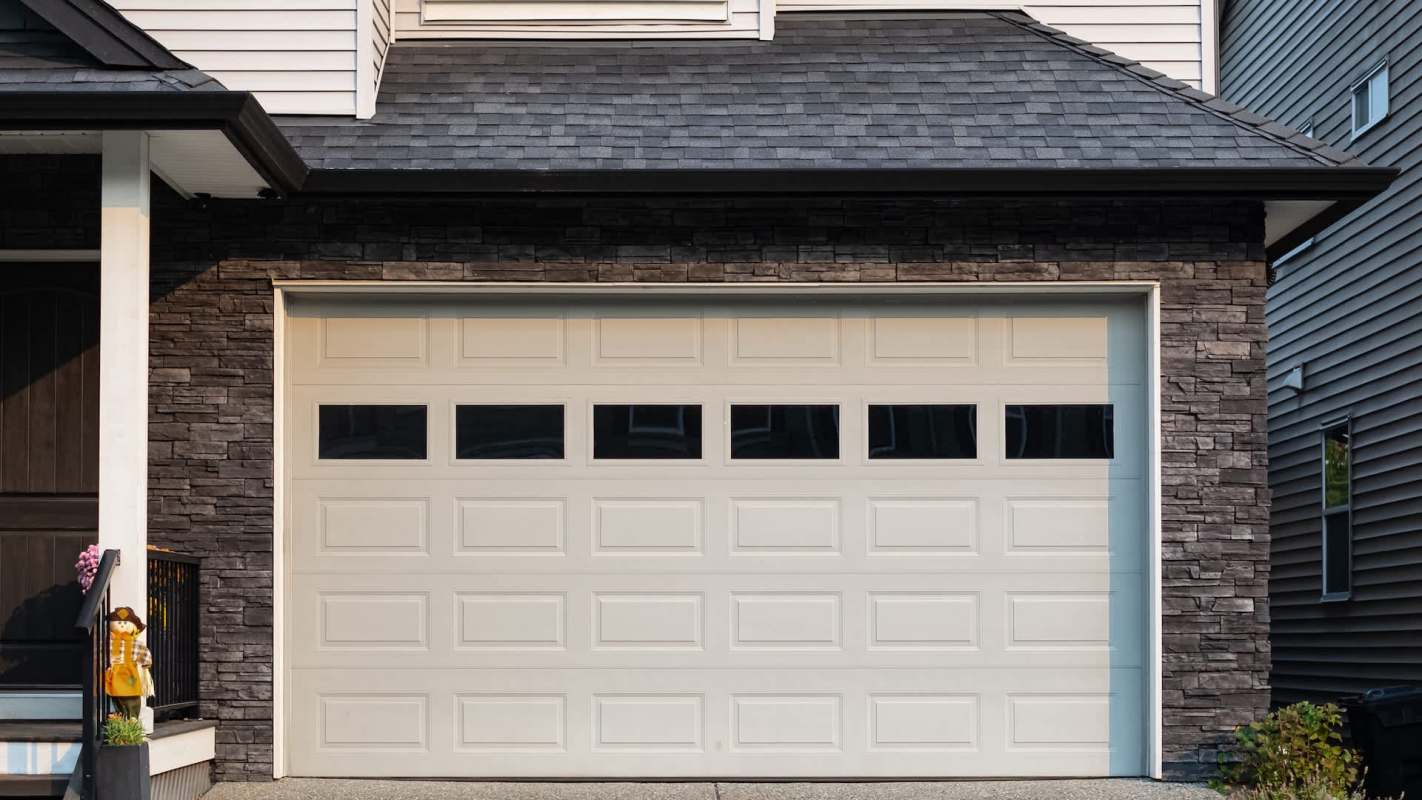
A homeowner on the North Carolina coast thought the main challenge in turning a garage into a home gym would be the brutal summer climate. Instead, the bigger complication has become whether putting in a large mini-split would run afoul of code.
What happened?
In a post on Reddit, the homeowner said the space faces 90-plus-degree heat and heavy humidity and asked why an HVAC contractor considered 18,000 BTUs the biggest allowable size when a 24,000-BTU option offered similar low-end inverter performance.
For the project, the homeowner said a local technician proposed a Mitsubishi 18K BTU mini-split and warned that moving up from there would exceed the amount code permits for the room's calculated load.
The homeowner was not sure that made sense since the goal was to keep the workout space especially cold.
They explained that the garage gym was meant to stay near 65 degrees even when outdoor conditions were hot and sticky. They also said hard cardio work would add heat indoors and that a standalone dehumidifier was part of the setup.
The technician maintained that those factors did not affect the code calculation and argued that pushing the temperature too low could create mold problems even with dehumidification. That led the homeowner to Reddit with two basic concerns: whether it was "safe to keep my garage at 65" and whether "a legal/code cap" blocked a 24K install.
Why does it matter?
Heating and cooling equipment can be a major investment, and choosing the wrong system can affect both comfort and monthly energy costs.
A properly sized inverter system can remove humidity efficiently and avoid unnecessary energy use, while a mismatched setup may short-cycle, struggle with moisture, or simply cost more than necessary.
Save $10,000 on solar panels without even sharing your phone number Want to go solar but not sure who to trust? EnergySage has your back with free and transparent quotes from fully vetted providers in your area. To get started, just answer a few questions about your home — no phone number required. Within a day or two, EnergySage will email you the best options for your needs, and their expert advisers can help you compare quotes and pick a winner. Solar panels can save you more than $50k over their 25-year lifespan, and EnergySage can help you save as much as $10k on installation. Which begs the question — isn't that worth an email or two? |

Heat pumps are significantly more energy-efficient than traditional HVAC systems, and they provide both heating and cooling in one package. For homeowners, that can translate to tax credits, rebates, and long-term savings, and tools such as EnergySage's heat pump marketplace can help you compare options before committing to a system.
For people who need to condition only one space, Merino offers single-room HVAC systems.
What can I do?
A next step for the original poster would be to ask for the load calculation in writing and confirm how local code officials treat inverter-driven equipment.
The key question is whether the permit decision was based solely on the room's design load or also on a unit's variable minimum output.
Mold risk is not determined by a thermostat setting alone. Insulation, air sealing, humidity levels, surface temperatures, and whether a dehumidifier can keep the area dry all play an important role.
A hygrometer can help homeowners track whether a room stays within a safe indoor humidity range.
If high energy bills are part of the concern, EnergySage also offers a free solar quote comparison tool. With its help, incentives for solar purchases and installations can make powering a home gym far less painful over time.
Homeowners comparing HVAC options can also revisit EnergySage's heat pump marketplace to weigh efficiency, sizing, and cost before signing a contract.

Get TCD's free newsletters for easy tips, smart advice, and a chance to earn $5,000 toward home upgrades. To see more stories like this one, change your Google preferences here.