
For many households, rooftop solar is supposed to be the path to a near-zero power bill.
But for one Ohio homeowner with a hefty monthly energy appetite and a power company that isn't as solar-favorable as most in America, they wanted advice on whether the investment would be worth it. For most parts of the country, solar pays for itself in 7-10 years, less or more depending on how expensive your electricity rates are.
In this homeowner's area, though, the concern was less about how cheap their electricity rates are to get value from solar and more about how much credit their utility company actually gives for solar power generated during the day to be used overnight.
What's happening?
The homeowner, posting on Reddit, said the house uses about 2,100 kilowatt-hours a month and had been quoted nearly $50,000 for a 19-kilowatt solar system paired with 27 kilowatt-hours of battery storage.
That's a substantial size, as the average U.S. family of four would only need 6-10 kilowatts' worth of panels to meet 100% of their needs and would use barely more than that — 30-50 kWh of power — for an entire day.
Then again, the average family uses 900-1,500 kWh per month rather than this one's 2,100, as the OP said they have two EVs and thus use electricity rather than gasoline to get around.
Despite the size of the planned install to better meet their needs, the resident questioned whether solar would actually pay off because the utility's billing setup could still leave a substantial charge behind.
At the center of the concern is how The Illuminating Company (First Energy) handles the generation and distribution portions of an electric bill — it gives credit on net metering for all generation costs, but not distribution costs on electricity pulled back from the grid, so if their household were to use a lot from the grid overnight to charge their two EVs, they would not get 100% of the credit for the solar they sent into the grid overnight, an uncommon practice in the United States.
Save $10,000 on solar panels without even sharing your phone number Want to go solar but not sure who to trust? EnergySage has your back with free and transparent quotes from fully vetted providers that can help you save as much as $10k on installation. To get started, just answer a few questions about your home — no phone number required. Within a day or two, EnergySage will email you the best local options for your needs, and their expert advisers can help you compare quotes and pick a winner. |

The original poster wrote, "Makes it really difficult to justify a $50,000 solar + battery install if I can't even get close to zeroing out my electric bill."
People in the thread said the answer depends heavily on when the home uses electricity, not just how much the panels produce overall, along with how much battery storage and how much charging their cars need to do overnight, as a big enough battery system could simply keep the home mostly off-grid anyway.
They pointed to the difference between power consumed or stored on-site and power that still has to come from the grid overnight for EV charging. Others zeroed in on the quote itself, saying the price could be quite favorable if it really includes three batteries.
One commenter initially called it expensive, then later said, "If that includes battery then it's a great deal."
More From EnergySage
💡Go deep on the latest news and trends shaping the residential solar landscape

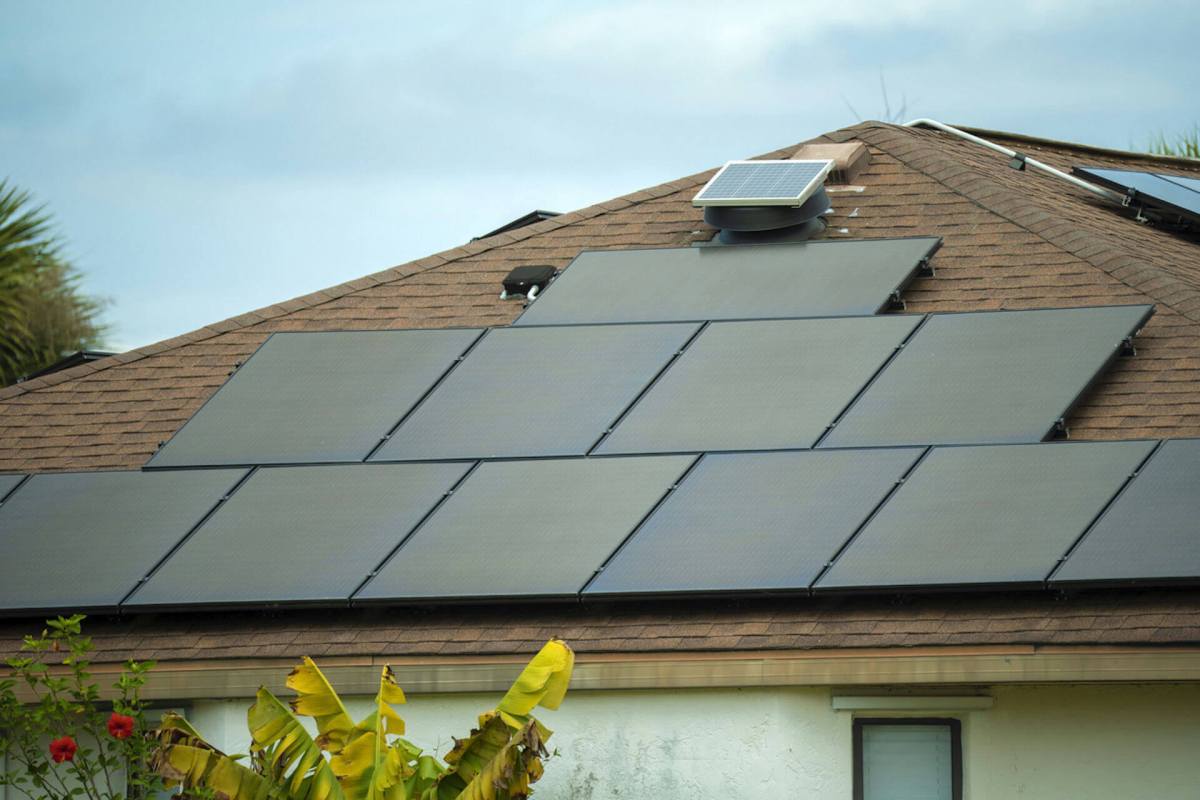

Generally, Ohio is more middle of the pack for solar savings, with the average 25-year savings still incredibly worthwhile at $57,246 — and that's for a typical Ohio home.
At this family's usage of roughly double the average household, even with the utility billing complication, a sufficient solar setup should still save the family upward of $100,000 over 25-30 years as long as the battery system can redirect most of their overnight power needs.
Why does it matter?
Solar can still reduce bills significantly, but the payoff depends heavily on local utility rules, rate structures, and when a household uses the most electricity.
Going solar is one of the best ways to save money on home energy costs, especially for households with high electricity use.
If you're weighing the numbers, free tools from EnergySage can help you get quick solar installation estimates and compare quotes from installers.
For EV owners in particular, timing matters. Charging overnight can reduce the direct benefit of daytime solar production unless a home has a battery or access to favorable time-of-use rates.
Net metering is not the same everywhere.
Two homes with similar roofs and similar electricity use can end up with very different savings depending on how their utility handles exported electricity and fixed delivery charges.
What can I do?
Homeowners in situations like this can still benefit from solar, but it helps to compare several scenarios before signing a contract.
Looking at total annual savings, payback period, utility fees, and whether EV charging can be shifted to daytime hours may provide a clearer picture than focusing only on whether the bill reaches zero.
Battery storage is one of the best ways to protect your home during outages, save money on energy, and go off grid. It can also help households store daytime solar power for nighttime EV charging, so it's worth exploring free tools from EnergySage for information about home battery storage options, including competitive installation estimates.
EnergySage also offers free services that can make the shopping process less overwhelming. With EnergySage's help, the average person can save up to $10,000 on solar purchases and installations.
Readers can also check out EnergySage's solar map, which shows the average cost of a home solar panel system on a state-by-state level, along with details on solar panel incentives in each state.
Together, those resources can help homeowners find the best price for rooftop solar panels and make sure they access available incentives.

Get TCD's free newsletters for easy tips, smart advice, and a chance to earn $5,000 toward home upgrades. To see more stories like this one, change your Google preferences here.