


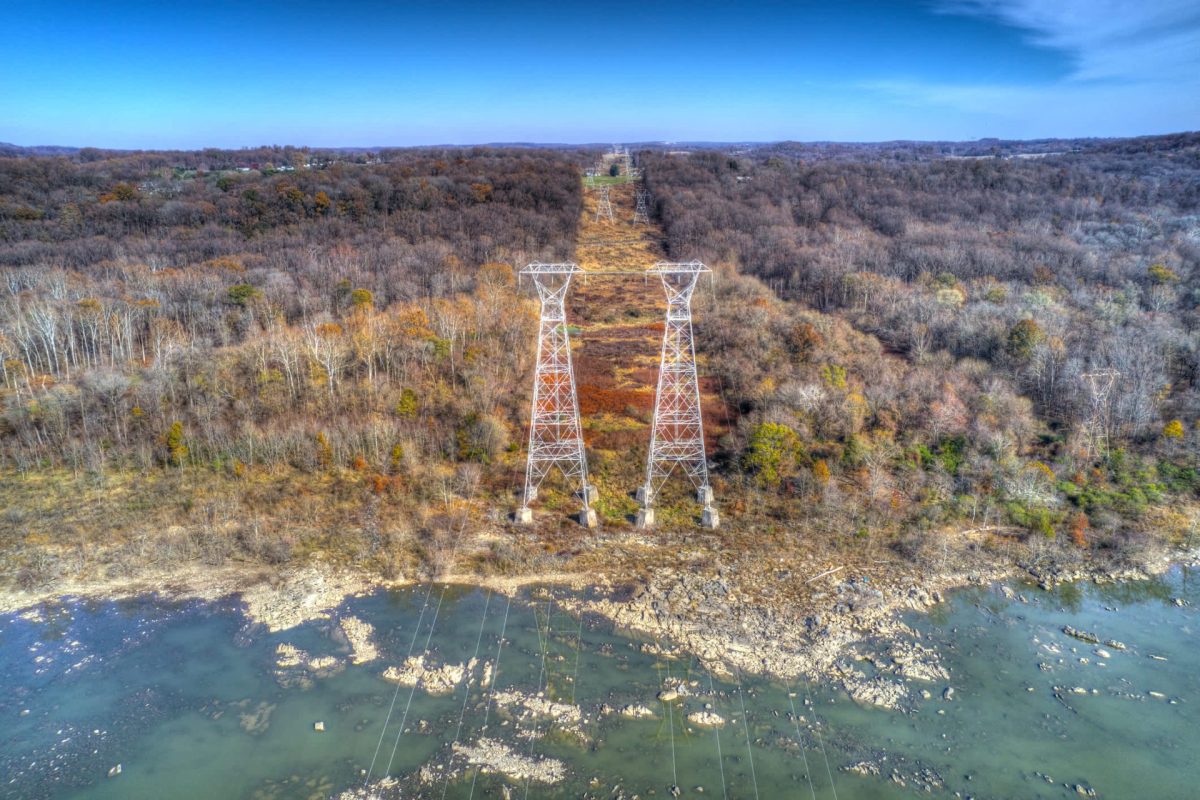
State officials in Maryland want to wipe out a utility add-on they say drains about $20 million a year from customers' bills. Even though a new law is now in effect, securing that relief may require a longer regulatory fight.
The measure has already taken effect, and regulators could soon find themselves in a federal clash with utilities over whether the charge can continue.
What happened?
On July 2, one day after Maryland began requiring utilities to participate in a regional power grid, three state agencies asked the Federal Energy Regulatory Commission to intervene, Maryland Matters reported. The requirement is a part of the Utility RELIEF Act, a wide array of measures aimed at lowering electricity costs for people in Maryland.
Their argument is that once grid membership becomes mandatory under state law, utilities should not keep billing customers an added fee for it.
Crushed by your bills? See instant solar savings from vetted installers in just a few clicks With energy prices through the roof, there's never been a better time to go solar — and EasyHome can help you find the best prices from the best installers in your area. EasyHome takes the guesswork and headaches out of energy upgrades by showing you estimated savings from a network of vetted local partners. To get started, just enter your ZIP and share a few details about your home — seeing your estimate is really that easy. |

That extra charge is connected to PJM Interconnection, which operates the regional electric grid. Explaining the state's position, Maryland Public Service Commission Chair Kumar Barve said, "There's no reason to pay an incentive bonus for something that's a requirement in the law … otherwise you're just taking money out of ratepayers' pockets for no good reason."
The Maryland Energy Administration led the complaint, joined by the Maryland Public Service Commission and the Maryland Office of People's Counsel, which represents ratepayers. The agencies also want customers reimbursed for any surcharges collected after July 2. The surcharge is collected through utilities' transmission rates.
Beyond large-scale policy demands, going solar is one of the best ways for many households to save on home energy costs. If you want to make the switch, EnergySage's free tools for getting quick solar installation estimates and comparing quotes can help you save.
Why does it matter?
If the state succeeds, about $20 million a year could remain with ratepayers rather than being collected through the fee, offering much-needed relief at a time when many people are already struggling with expensive electricity.
Officials say the issue has become more pressing as anger over power bills grows — especially during currently high summer temperatures with a report saying U.S. households could face electric bills of almost $800, a significant increase from last year.
Maryland Matters noted that Ohio and California have faced similar disputes, and in those cases, federal appeals courts ruled that utilities could not keep collecting the surcharge once participation in a regional grid was no longer voluntary.
Even so, the matter may take time to resolve. Baltimore Gas & Electric has argued the move "does not address the primary driver of rising energy costs: Maryland's growing imbalance between electricity supply and demand," while FirstEnergy, which owns Potomac Edison, said it is reviewing the filing.
What's being done?
Maryland officials say they are ready to keep pushing the case. Maryland Energy Administration Director Kelly Speakes-Backman said the possible savings justify the effort: "Whatever resources we spend, it's not going to come even close to the savings that ratepayers will see. So, we think it's well worth it."
More From EnergySage
💡Go deep on the latest news and trends shaping the residential solar landscape




For readers who want more direct control over energy costs, EnergySage's free services can also be useful. With EnergySage's help, the average person can save up to $10,000 on solar purchases and installations. And EnergySage's solar map shows the average cost of a home solar panel system on a state-by-state level, along with details on solar panel incentives for each state, helping readers get the best price for rooftop solar panels where they live and access available incentives.
Adding battery storage to a solar setup is one of the best ways to protect your home during outages, save on energy costs, and go off-grid. Readers can also explore EnergySage's free tools for information about home battery storage options, including competitive installation estimates.
David Lapp, Maryland's people's counsel, said, "We certainly had hoped that that might prevail upon the companies voluntarily to make the appropriate filing." Barve added, "Right now, ratepayers all throughout Maryland are really angry about rates, and so I'd be pretty shocked if the utilities fought this."

Get TCD's free newsletters for easy tips, smart advice, and a chance to earn $5,000 toward home upgrades. To see more stories like this one, change your Google preferences here.






