


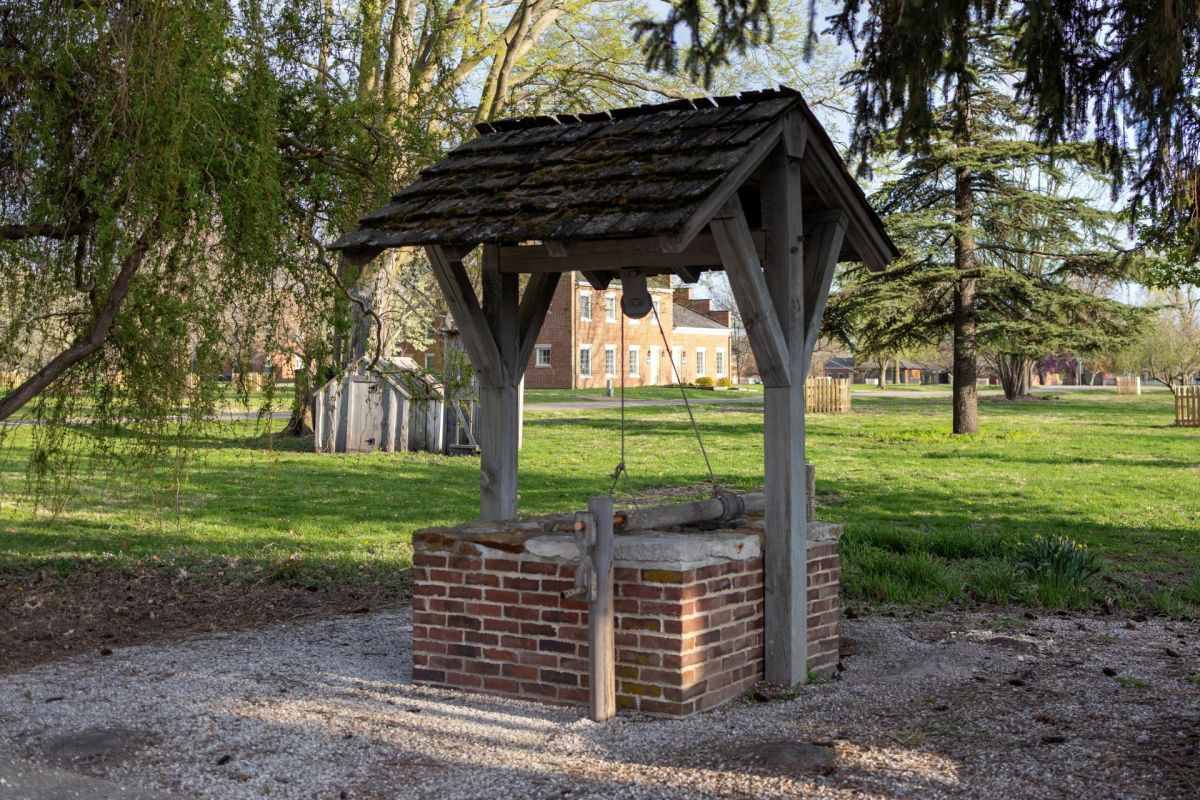
Testing a private well in Virginia for PFAS, the "forever chemicals" that worry many residents, can cost about $300 for a single sample.
In some rural communities, that price is pushing neighbors and nonprofits to step in where policy has not, helping residents learn what may be in their drinking water.
What's happening?
Attention to PFAS is increasing across the Chesapeake Bay region, the Bay Journal reported.
The chemicals are found in items such as nonstick cookware and stain-resistant products, and they can reach groundwater and private wells from places like airports, landfills, wastewater plants, and military sites.
About 22% of Virginians, roughly 1.6 million people, depend on private wells for drinking water.
A Virginia Tech dissertation analyzed 382 well samples across 10 counties and found that about 2% exceeded the proposed federal limits for PFOA and about 5% exceeded the proposed standard for PFOS.
TCD Picks » Quince Spotlight
💡These best-sellers from Quince deliver affordable, sustainable luxury for all




The EPA has proposed setting drinking water limits for PFOA and PFOS at 4 parts per trillion each.
Private wells are not covered by the Safe Drinking Water Act, which means homeowners are generally left to manage testing and treatment on their own.
Potomac Riverkeeper Network program director Brent Walls said private well owners are "very last on the list" for protection against toxins.
Why does it matter?
PFAS are called forever chemicals because they persist for a very long time. Many of them have also been linked to cancer, developmental effects, and cardiovascular problems.
Public water systems may identify contamination through utility monitoring, but well owners face a more personal — and often costly — burden.
In Virginia, the law generally requires only a one-time coliform bacteria test when a new well is installed, so many residents may have little idea whether PFAS are in their water unless they seek extra testing themselves.
Lower-income and rural communities may live near farms or other possible sources of contamination but lack the resources to respond quickly.
Barbara Walsh, a hydrogeologist formerly with Rockbridge Conservation, warned, "We're leaving our rural residents completely open to these health risks, and we're spending all of the state money on our more urbanized areas, and I think that's just not the right way to do things."
What's being done?
Community groups are trying to cover some of that gap.
Walls has been leading a PFAS well-testing effort in Virginia's northern neck, and Rockbridge Conservation is exploring ways to broaden free PFAS testing for more local well users.
In Rockbridge County, where at least 81% of residents rely on well water, researchers found PFOA in 49 tested wells.
Virginia lawmakers also acted on biosolids this session, including by passing a bill that restricts certain PFAS levels in sewage sludge used as fertilizer. But a separate proposal to set aside $3 million for the Residential Well Water Testing and Treatment program did not advance.
Some federal support is available as well. The EPA awarded Virginia $14 million in May through an emerging contaminants grant program, and communities can apply for assistance with infrastructure projects to reduce PFAS exposure.
Another EPA program can also help technical assistance providers distribute PFAS test kits to well users.
Experts recommend annual testing for basics such as lead and bacteria.
If PFAS contamination is a concern, they advise using a private lab for testing and, when possible, reducing the use of products known to contain these chemicals.
"The PFAS issue and contaminants in water aren't exclusive to the 36th district," Jarrett Harlow, legislative director for McLaughlin, said. "It's all over the place."

Get TCD's free newsletters for easy tips, smart advice, and a chance to earn $5,000 toward home upgrades. To see more stories like this one, change your Google preferences here.






