


A 2,000-year-old gold ring recovered in western Thailand is offering archaeologists a rare window into how people once sought protection and good fortune.
Found in an ancient grave alongside human remains, the ring bears a brief inscription that researchers believe was intended as a blessing.
What happened?
At the Don Yai Thong site in Thailand's Phetchaburi Province, archaeologists recently found a pair of gold rings during an excavation. According to Fox News, one of the rings is marked with a short message in what experts believe is the ancient Indian Brahmi script.
Specialists have read the inscription as "pusarakhitasa," or "the one protected by Pushya." Because Pushya was a lunar constellation in ancient Indian astronomy associated with protection and good fortune, the wording suggests the ring may have served as a personal amulet.
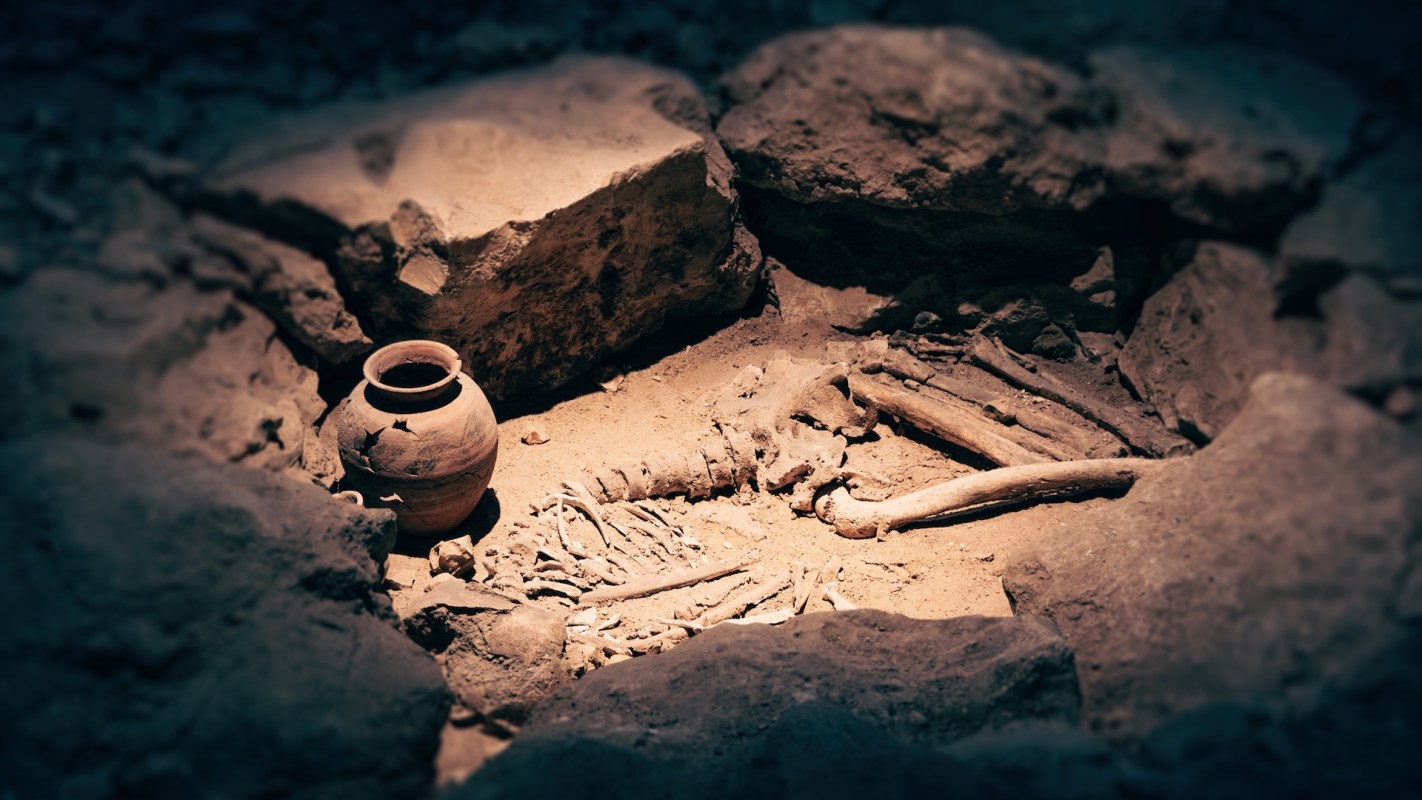
The dig began earlier this year after local residents discovered fragments of ancient bronze drums in a nearby rice field. Since then, researchers have uncovered eight human skeletons, pottery, bronze and gold jewelry, and other burial goods.
Researchers say the second ring appears plain, though both rings are reportedly well preserved. Fox News also reported that the burial goods suggest the deceased may have belonged to an upper social class and that the owner of the inscribed ring may have been part of the Vaishya group, associated with merchants and traders in ancient India's caste system.
TCD Picks » Quince Spotlight
💡These best-sellers from Quince deliver affordable, sustainable luxury for all




Why does it matter?
Findings like this help confirm something historians and archaeologists have long documented: Southeast Asia was deeply connected to an expansive trade and cultural network more than 2,000 years ago.
Artifacts are often the clearest record left behind by people whose names, stories, and daily lives were never written into history books. The rings inscribed with a protective message point to concerns that still feel familiar today — luck, safety, status, and remembrance.
When artifacts are carefully studied and publicly displayed, they can strengthen local museums, support cultural tourism, and give communities a clearer connection to the land beneath them.
The discovery follows other major archaeological finds, including gold treasures uncovered in Panama and discoveries from Egypt's ancient city of Heliopolis, showing how new digs around the world are steadily reshaping what we know about trade, belief, and burial practices.
What's being done?
Thailand's Fine Arts Department says work at Don Yai Thong is still ongoing, with the excavation expected to continue through July.
Early interpretations, including script readings and theories about social status, typically grow stronger as more artifacts are analyzed in context.
And when discoveries happen near farms, construction zones, or growing communities, early reporting from local residents can be crucial. In this case, a chance find in a rice field helped reveal a much larger story.
For now, one small ring carries an intimate message from the past, and a view into the hearts and minds of those living in a much different timeline.

Get TCD's free newsletters for easy tips, smart advice, and a chance to earn $5,000 toward home upgrades. To see more stories like this one, change your Google preferences here.






