


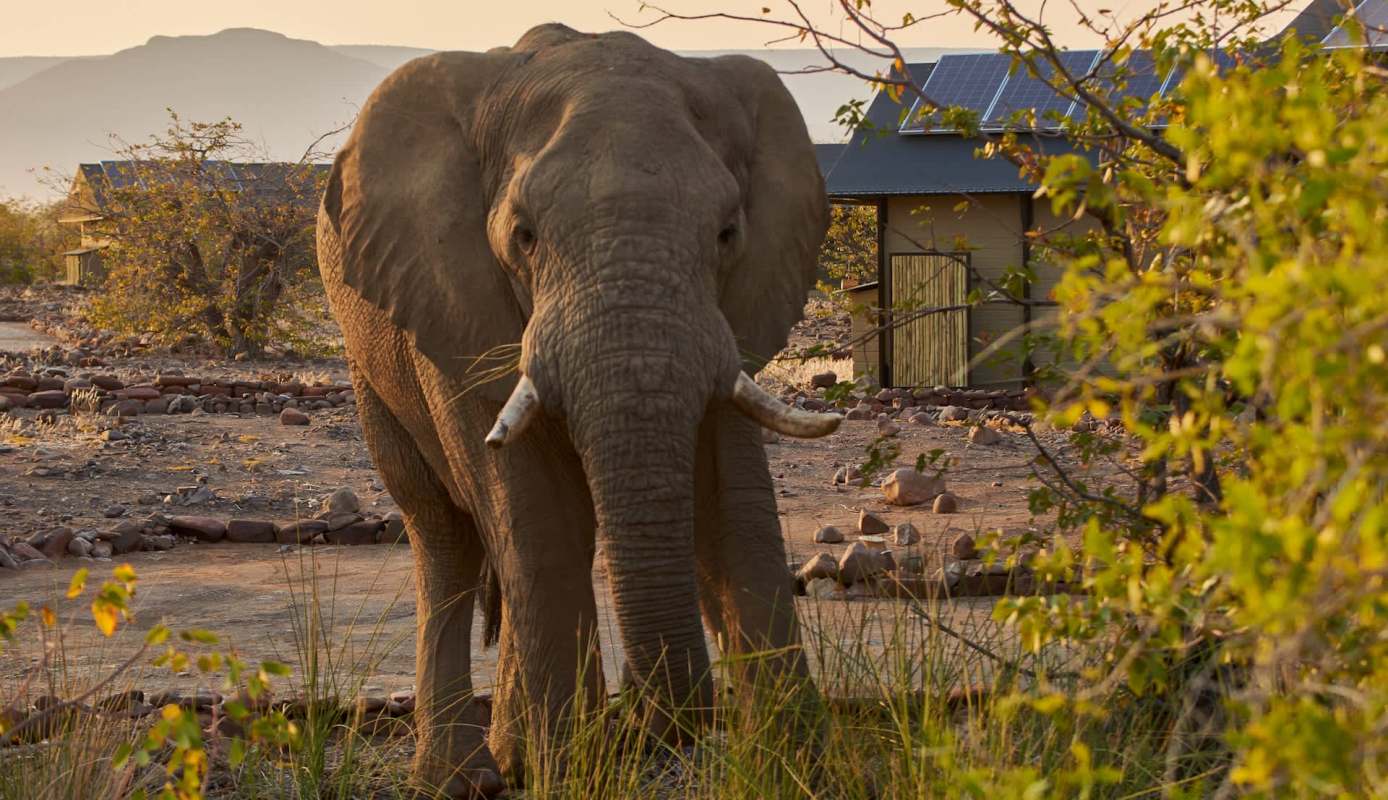
Across parts of southern Africa, the spread of farms, settlements, and other infrastructure is forcing people and elephants into closer contact, creating encounters that can be deadly for both.
A study has pointed to Namibia as a likely hotspot for interactions, where climate stressors could intensify an already growing struggle over access to land and water into a full-blown "turf war."
What's happening?
Drawing on public records from 2004 through 2020, researchers examined conflict patterns between elephants and people across Namibia, Botswana, and parts of Angola and Zambia. They then published their findings in the peer-reviewed journal PNAS Nexus.
After taking a closer look at 38 communal conservancies near where 150,000 people live, scientists linked the rise in human-elephant conflict to three main factors: human population growth, expanding land use, and climate-driven water deficits.
The researchers then used models alongside the historical data to predict how many more human-elephant conflicts, or HECs, could occur in the future. They concluded that "the area at high risk of HEC increases by 33% to 100% by 2085."
Why does it matter?
"These results identify emerging conflict hotspots decades in advance, offering actionable foresight for land-use planning and mitigation in a region critical to elephant observation," the researchers said.
TCD Picks » Quince Spotlight
💡These best-sellers from Quince deliver affordable, sustainable luxury for all




The scientists explained that, in Namibia, crop raiding is the most common type of human-elephant conflict, which can devastate families that rely on subsistence farming. Elephants can also injure people, damage infrastructure, and harm livestock.
The researchers noted that these encounters "can result in economic damages that outweigh local benefits from trophy hunting."
This can deepen resentment toward conservation efforts, even as African savanna elephants are finally recovering after decades of poaching.
Many wildlife conflicts are at least partly driven by human activity, especially when habitat is converted for farming or settlement.
As BBC Future has reported, habitat loss and competition over resources can make attacks and dangerous encounters more likely. In this case, climate strain appears to add another layer of risk by increasing pressure on water supplies and usable land.

Get TCD's free newsletters for easy tips, smart advice, and a chance to earn $5,000 toward home upgrades. To see more stories like this one, change your Google preferences here.






