


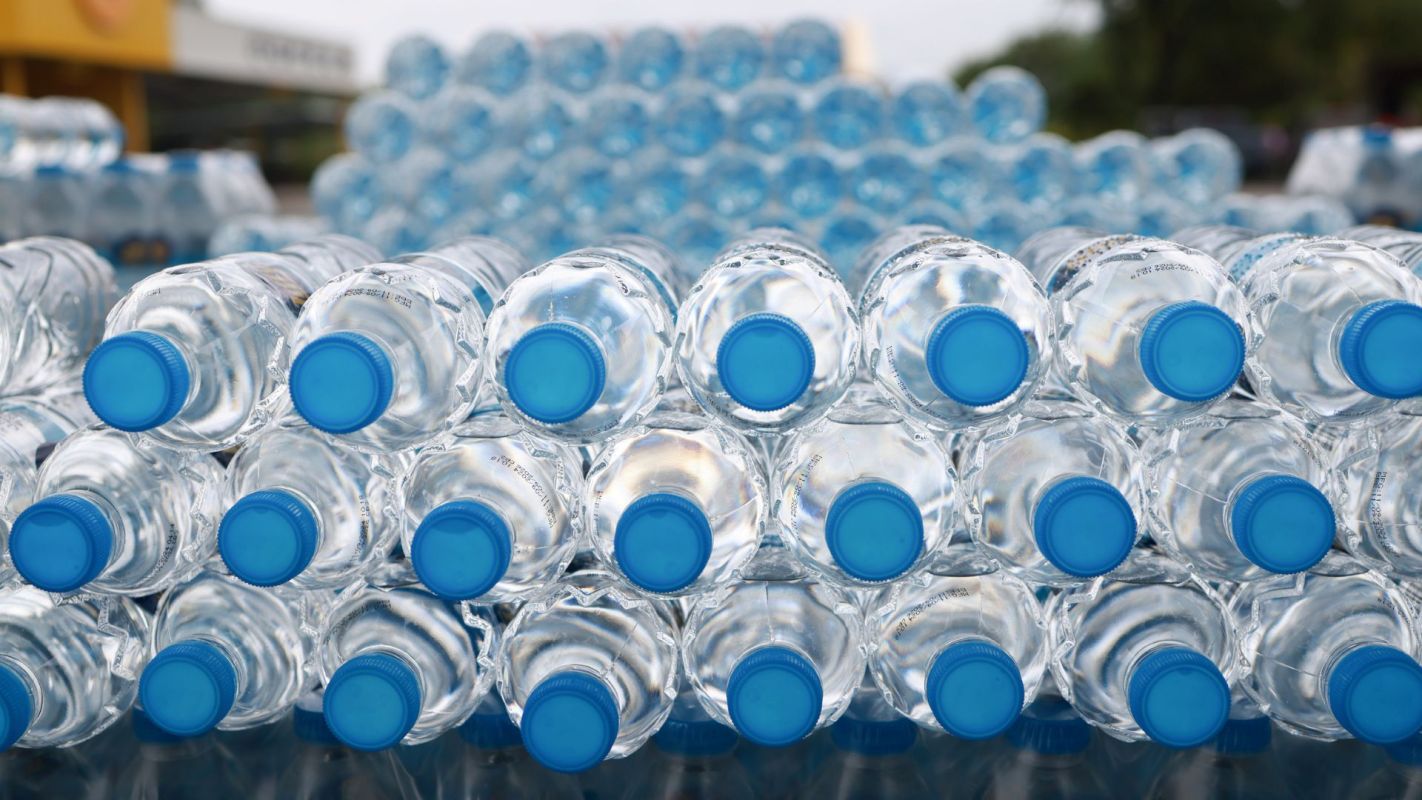
Waiākea Hawaiian Volcanic Water is facing a lawsuit over advertising that presented its bottled water as "ethical," "healthy," and "sustainable."
The groups behind the case said that the image omits the environmental downsides of selling water in single-use plastic and may lead shoppers to believe the product is more responsible and safer than it really is.
What happened?
According to a post by the Plastic Pollution Coalition, a project of Earth Island Institute, Recycle Hawai'i and the coalition filed a complaint on July 2 in D.C. Superior Court, accusing Waiākea of false and deceptive marketing under the district's Consumer Protection Procedures Act.
At issue is Waiākea's repeated use of terms such as "ethical," "healthy," "sustainable," "eco-friendly," and "low carbon footprint" to promote bottled water sold in plastic containers.
The filing also disputed the company's packaging claims, including statements that its bottles are "completely recyclable" and that using 100% recycled PET, or rPET, makes the product a better environmental choice.
The groups said that messaging gives shoppers the wrong impression, especially because most plastic is never actually recycled. They also point to Waiākea's involvement in developing a plastic recycling facility that they said is expected to harm the local environment.
TCD Picks » Quince Spotlight
💡These best-sellers from Quince deliver affordable, sustainable luxury for all




Why does it matter?
At the heart of the case is a common consumer problem: people may buy something because it appears healthier or better for the environment, only to find that the marketing does not tell the whole story.
As summarized by the Plastic Pollution Coalition, the complaint cited studies suggesting that recycled plastic may contain more chemical additives than virgin plastic, and some substances in plastic can leach into bottled beverages. It also said certain heavy metals associated with plastic can build up in the body and are linked to serious health problems.
The lawsuit argued that the concern goes beyond health effects. Plastic still relies on fossil fuels, even when companies highlight recycling, and large numbers of bottles wind up in landfills, incinerators, or are shipped overseas.
So packaging marketed as "recyclable" can still add to pollution, planet-warming emissions, and environmental burdens in local communities.
The case also tests whether brands can keep using feel-good environmental language without stronger evidence to back it up. If shoppers cannot trust labels and sustainability claims, making informed decisions at the store becomes much harder.
What's being done?
For now, the main action is the complaint itself, which seeks to hold Waiākea accountable for marketing that the groups said deceives consumers in Washington, D.C. Legal challenges like this can push companies to change how they describe their products and invite closer scrutiny of vague environmental messaging.
Kristine Kubat, executive director of Recycle Hawai'i, said the organization felt compelled to act because misleading claims "undermine our collective ability to make good choices about the products we consume."
If you're trying to spot misleading environmental claims, check out the TCD Guide's page on greenwashing.
"Plastic bottles are plastic pollution — and plastic pollution is not ethical, healthy, nor a sustainable solution," said Julia Cohen, MPH, co-founder and executive director of Plastic Pollution Coalition.
Kubat added that corporations "need to be exposed and held accountable" when they interfere with informed consumer choices.

Get TCD's free newsletters for easy tips, smart advice, and a chance to earn $5,000 toward home upgrades. To see more stories like this one, change your Google preferences here.






