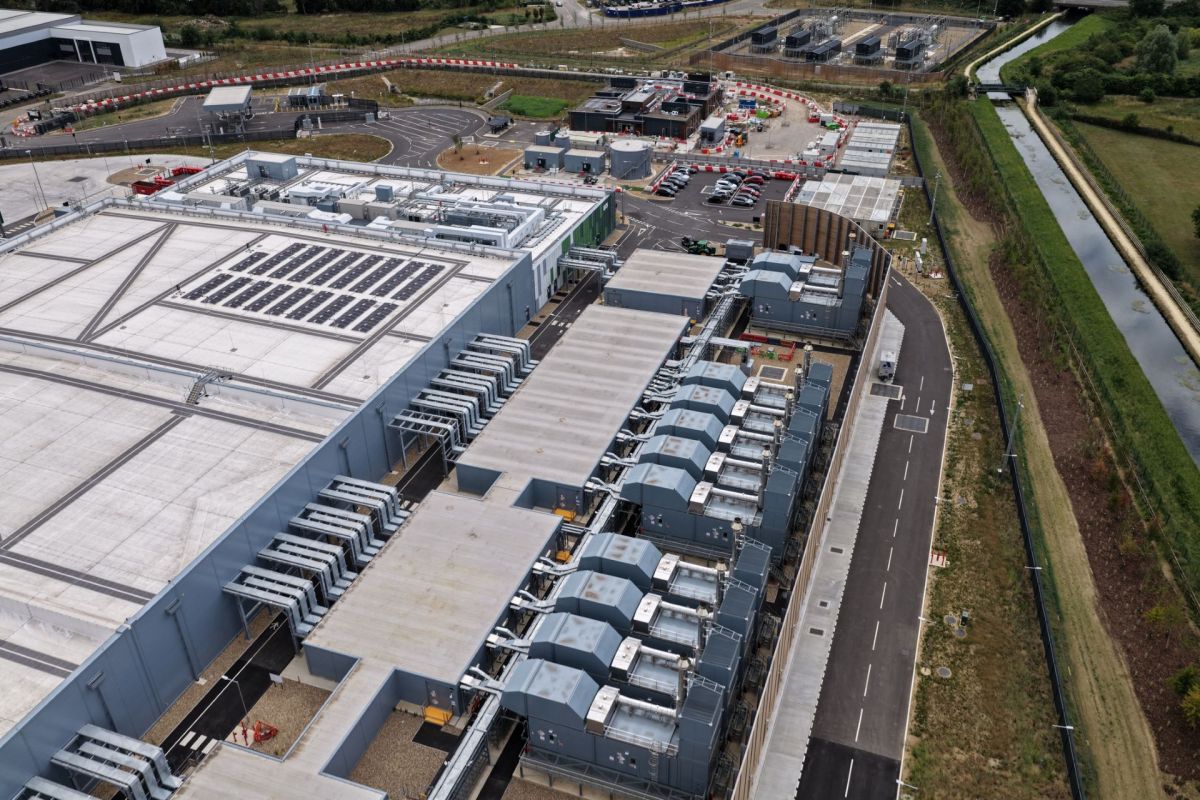
In parts of Tennessee where data centers operate, electricity costs are moving in different directions for different customers: households are paying more, while major commercial users are paying a little less.
That contrast, outlined in a new report, raises a larger issue as more of these facilities come online: who will absorb the costs tied to the state's growing power demand?
What's happening?
Reviewing 2023-24 billing data, the nonpartisan think tank Think Tennessee found that residential electric bills in data-center communities increased by an average of 3.2%, even as commercial customers such as data centers saw a 0.2% decline, according to the Nashville Banner.
The report also found that electricity costs rose faster in Tennessee regions with data centers than they did statewide.
Areas with data centers saw a 1.6% increase from 2023 to 2024, compared with 1.3% statewide, and Think Tennessee projected that households in those regions will face a 5.1% price increase between 2022 and 2027.
Tennessee has become especially attractive to developers because of its available land, energy sources, and growing tech sector. The state now has more than 60 data centers, including 13 that are already operating or being built in Nashville.
TCD Picks » Quince Spotlight
💡These best-sellers from Quince deliver affordable, sustainable luxury for all




That rapid expansion has also sparked local opposition.
At a Metro Planning Commission hearing in June, Nashville resident Santiago said, "A data center does not belong near our homes, let alone the Nashville Zoo."
Why does it matter?
The report also tied data center growth to broader concerns about grid reliability. More than 230,000 Nashville Electric Service customers were left without power during January's ice storm, and some households waited two weeks to have their electricity restored. The utility system sustained damage estimated at $100 million to $140 million.
Think Tennessee found that the power needed for existing, under-construction, and planned Tennessee data centers matches the yearly electricity use of 1.3 million Tennessee homes.
What's being done?
Think Tennessee said the state needs clearer policy and planning as data center growth accelerates.
Erin Hafkenschiel, president of Think Tennessee, said that today's choices on planning, pricing, and infrastructure will shape who ultimately pays for the growth.
In Nashville, local officials are already debating new zoning regulations and a proposed moratorium on data centers.
Mayor Freddie O'Connell has supported those efforts and filed his own legislation to begin condemning the property next to the Nashville Zoo, allowing Metro to acquire it at market value even without the owner's consent.
"We can support economic development while also making smart choices about the highest and best use of our land," O'Connell said.
Hafkenschiel added, "If we don't get it right, the potential risks to household energy costs might outweigh the positive economic growth impacts."

Get TCD's free newsletters for easy tips, smart advice, and a chance to earn $5,000 toward home upgrades. To see more stories like this one, change your Google preferences here.