A Pennsylvania homeowner got a solar pitch for a newly built pole barn — then did what more shoppers probably should do before signing anything: started asking hard questions about ownership, liability, and what happens if the company disappears.
What's happening?
Going solar is one of the best ways to save money on home energy costs, especially when homeowners compare multiple offers rather than accepting the first knock at the door. EnergySage has free tools to help you get started on your solar journey, including installation estimates so you can compare quotes.
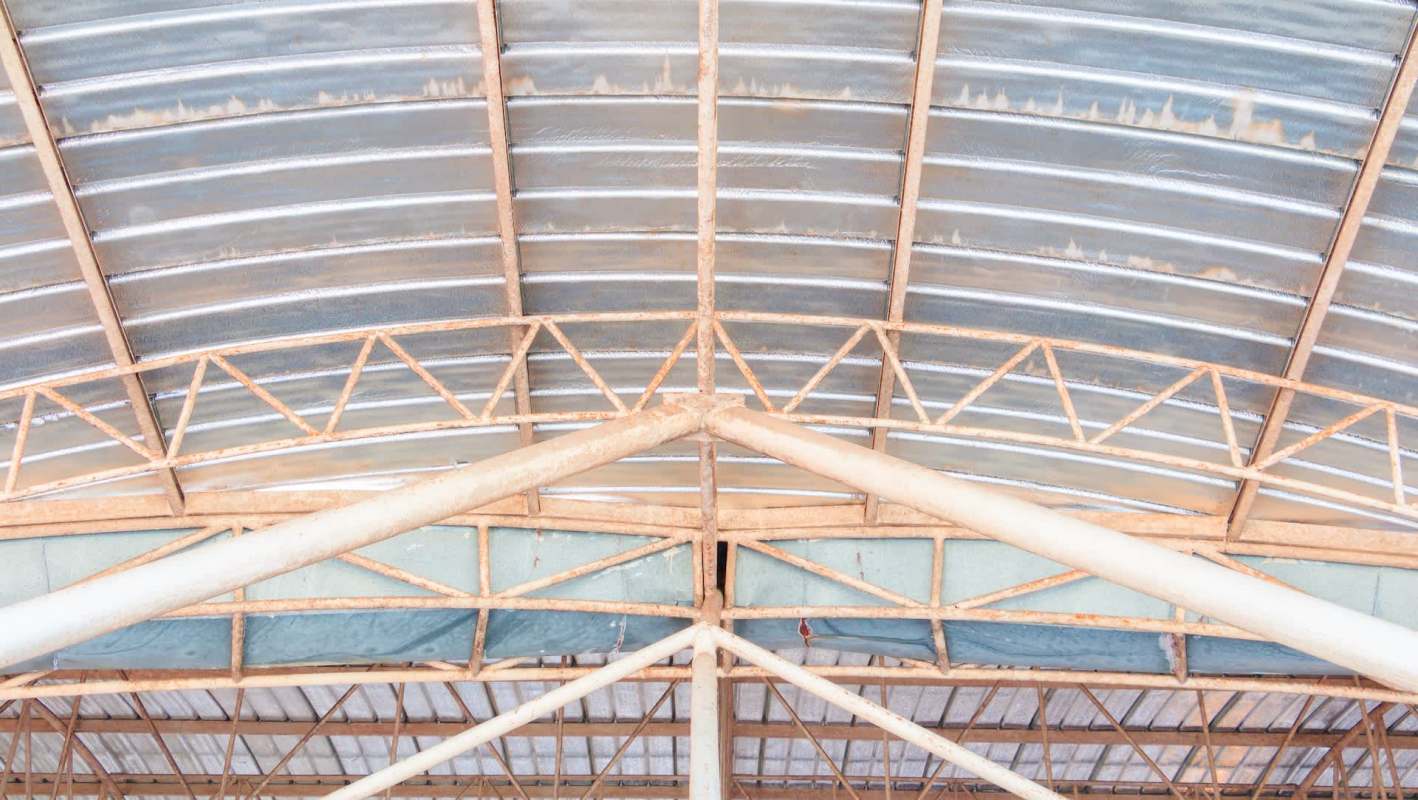
In a recent Reddit discussion on r/solar, a Pennsylvania resident was considering a proposal after a door-to-door salesperson suggested installing solar panels on a newly built pole barn with a metal roof. The homeowner said they were "immediately skeptical" and noted, "I was already told I don't own the panels."
The poster said an engineer was expected to follow up and that the offer included both guaranteed output and battery backup. As they evaluated it, they wanted more information on several points, including how many customers the company has nearby, who would be responsible for any damage, who handles panel and battery recycling, what happens after the stated 15-year panel lifespan, and how a home sale would work if the panels are owned by a third party.
Why does it matter?
Those questions speak to one of the biggest issues in residential solar sales: the difference between owning a system and signing a lease- or power-purchase-style agreement. A low-upfront offer can sound appealing, but the fine print determines who gets tax credits, who handles repairs, and who stays tied to the contract if the property is sold.
That distinction can make a major difference. Ownership can deliver the biggest savings in many cases, while third-party deals may trade some of that upside for convenience, maintenance coverage, or lower upfront costs.
Solar can be a powerful money-saving tool when a project is sized and priced correctly.
What can I do?
If you're interested in solar, start by asking for the full contract, ownership terms, expected production, transfer rules for selling the home, warranty details, and proof of who is responsible for roof or structural damage. It also helps to compare multiple quotes and ask whether the projected savings actually align with your utility rates and Pennsylvania's net-metering rules.
Save $10,000 on solar panels without even sharing your phone number Want to go solar but not sure who to trust? EnergySage has your back with free and transparent quotes from fully vetted providers that can help you save as much as $10k on installation. To get started, just answer a few questions about your home — no phone number required. Within a day or two, EnergySage will email you the best local options for your needs, and their expert advisers can help you compare quotes and pick a winner. |

EnergySage's free tools can help the average person save up to $10,000 on solar purchases and installation. Plus, EnergySage's mapping tool shows average state-level solar costs and helps you find incentives in your state.
Adding battery storage to a solar setup is one of the best ways to protect your home during outages, save on energy costs, and go off-grid. A home battery can also help you keep solar-generated electricity available when the grid goes down. EnergySage can also provide information and estimates for home battery storage.
The resident wrote, "I was hoping others could guide me in what to ask and look out for." They also asked: "What happens if your company closes?"

Get TCD's free newsletters for easy tips, smart advice, and a chance to earn $5,000 toward home upgrades. To see more stories like this one, change your Google preferences here.
More From EnergySage
💡Go deep on the latest news and trends shaping the residential solar landscape