



A Mid-Atlantic homeowner is asking a question many city residents share: Is rooftop solar still worth it if your house is narrow, your roof faces east and west, and local rules add another layer of hassle? The answer matters because the economics of solar are often more nuanced than a simple yes or no — and even less-than-ideal roofs can still deliver real savings.
What's happening?
Going solar is one of the best ways to save money on home energy, and homeowners can use EnergySage to get quick solar installation estimates. Comparing quotes through EnergySage can also help show whether a smaller or less-than-ideal roof still makes financial sense.
In a recent post on Reddit, the homeowner said several practical constraints were complicating the decision, writing, "Live in the Mid-Atlantic, so not as sunny as CA or the SW," while also noting the need for historic-district approval, a narrow home with east/west-facing gables, a small yard, gas appliances, and no 220 electric.
Many people want lower energy bills and cleaner power, but their homes do not fit the ideal marketing image of a large, south-facing suburban roof.
Crushed by your bills? See instant solar savings from vetted installers in just a few clicks With energy prices through the roof, there's never been a better time to go solar — and EasyHome can help you find the best prices from the best installers in your area. EasyHome takes the guesswork and headaches out of energy upgrades by showing you estimated savings from a network of vetted local partners. To get started, just enter your ZIP and share a few details about your home — seeing your estimate is really that easy. |

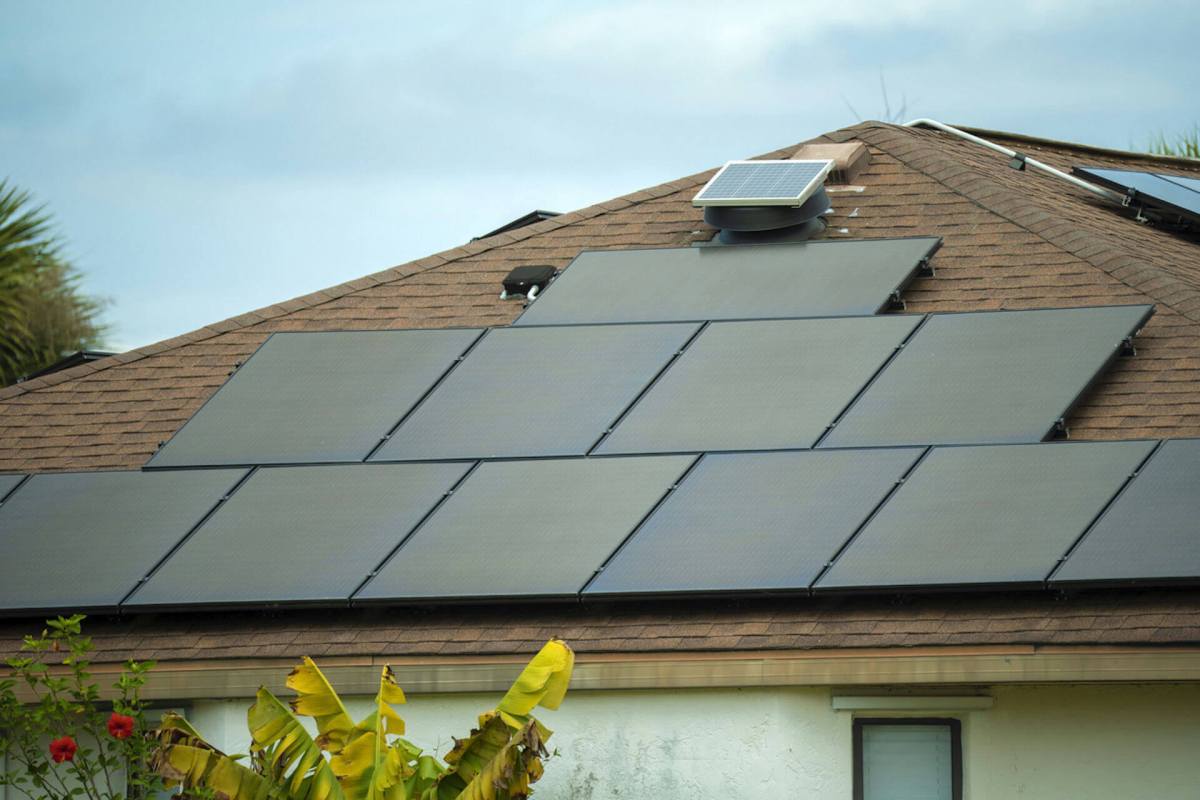
A garage roof, east/west production, and a smaller system can still work, though the economics may depend more heavily on roof space, electric use, local incentives, and whether the homeowner plans to electrify more appliances later.
Why does it matter?
For older urban homes, solar decisions are often shaped by practical limits rather than enthusiasm alone. Rules in historic districts can affect panel placement, visibility, and permitting timelines, while older electrical service may need upgrades before a homeowner can take on larger electric loads.
The homeowner noted that "most appliances are gas," which can reduce immediate solar savings compared with an all-electric home.
Solar can still offset a large share of current electricity use, reduce exposure to rising utility rates, and make future upgrades — such as a heat pump, induction stove, or EV charger — more affordable.
Solar is not just for sprawling homes in the Sun Belt. The right setup matches the roof, the utility bill, and future plans.
What can I do?
If you are in a similar position, start with your electric bills, photos or measurements of both the house and garage roofs, and any historic-district guidelines. A local installer or electrician can also tell you whether a panel or service upgrade would be needed if you want to add more electric appliances later.
For homeowners trying to sort through those tradeoffs, EnergySage can help you go solar with free tools that let you curate competitive bids from local installers without them obtaining any of your contact information unless you choose to work with one further.
You can also use EnergySage's solar map to see the average cost of a home solar panel system on a state-by-state level, along with details on solar panel incentives for each state. Together, those resources can help readers get the best price for rooftop solar panels and access available incentives. EnergySage's free services are especially useful for homes with quirks, and the average person can save up to $10,000 on solar purchases and installations by using them.
More From EnergySage
💡Go deep on the latest news and trends shaping the residential solar landscape

Adding battery storage to a solar setup is also a way to protect your home during outages, save money on energy, and go off-grid. For homeowners considering backup power along with panels, EnergySage also offers free tools that provide information about home battery storage options, including competitive installation estimates.

Get TCD's free newsletters for easy tips, smart advice, and a chance to earn $5,000 toward home upgrades. To see more stories like this one, change your Google preferences here.






