


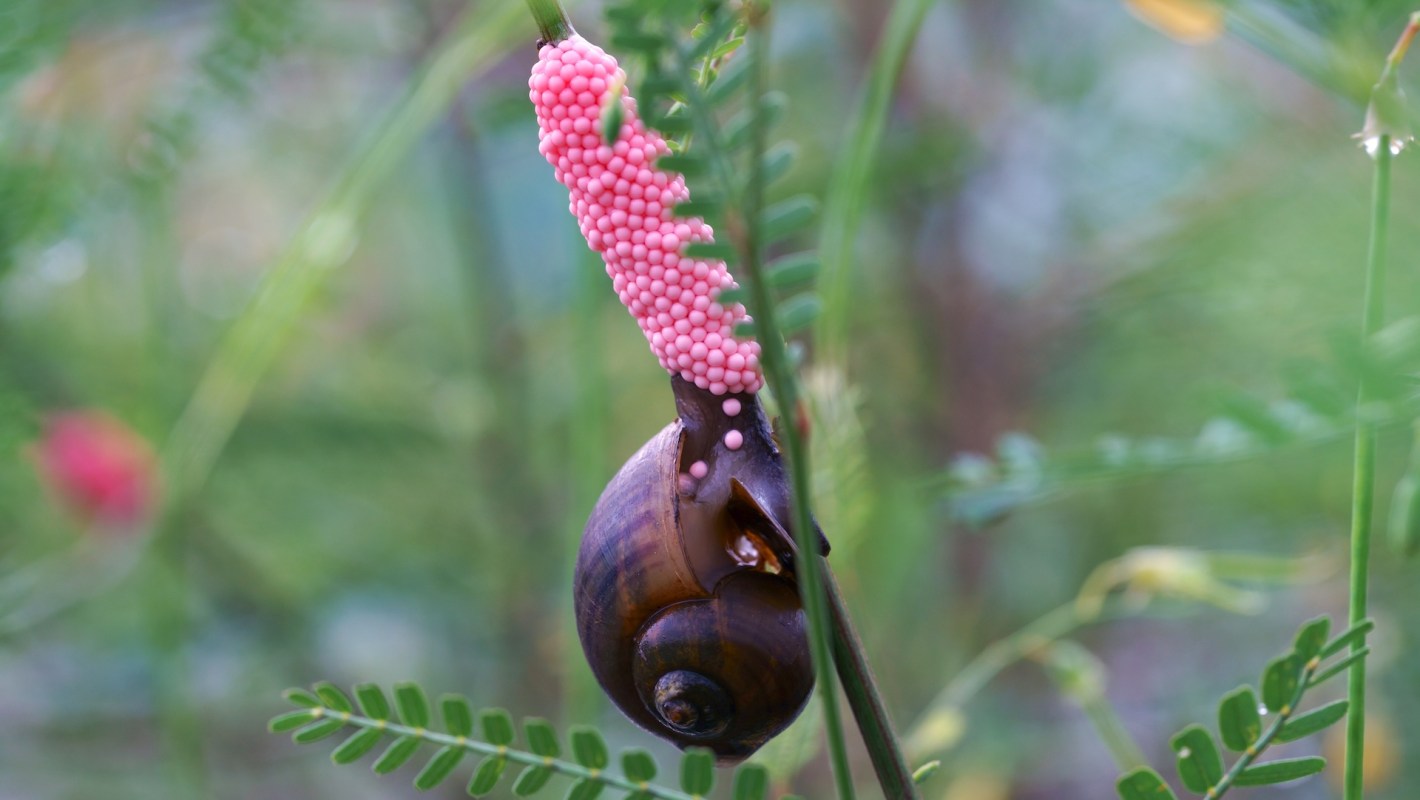
Thousands of invasive apple snails surfaced again after crews drained parts of San Antonio's River Walk for routine maintenance this month, underscoring how quickly a human-caused ecological problem can spread.
Officials are now pairing cleanup efforts with new experiments aimed at stopping the snails before they can lay more eggs.
What happened?
By late November 2025, the San Antonio River Authority had removed 11,212 adult apple snails, up from 8,359 over the same period in 2024, according to data cited by the San Antonio Report. More than 3,000 apple snails were collected during the latest weeklong maintenance drain, which was over 1,000 more than crews removed during the last major drain in January 2024.
Officials say the South American snail was first detected in the downtown river in 2019, likely after aquarium pets were illegally released there.
Aquatic biologist Adrian Arroyos of the San Antonio River Authority said crews noticed one encouraging shift this year: "During the last drain, almost every snail we picked up was alive. This year we found ourselves locating just shells, which is definitely a positive thing. That means they're being preyed on."
Even so, the snails remain highly prolific. Officials said one female can produce about 20 to 25 bright pink egg clutches a year, with roughly 500 to 2,000 eggs in each.
TCD Picks » Quince Spotlight
💡These best-sellers from Quince deliver affordable, sustainable luxury for all




Why does it matter?
Apple snails threaten the river's ecological health because they consume large amounts of native underwater vegetation. Those plants help keep riverbanks stable, support fish habitat, add oxygen, and filter pollutants from the water.
Arroyos said, "They don't ever finish their meal. They'll munch on one plant, damage it, and then move on to the next one. In high volumes, that becomes really problematic."
That damage can affect more than plants and fish. When vegetation is lost, erosion can worsen, the water can grow murkier, and more sediment can build up in the channel. All of those issues can affect a heavily used public space such as the River Walk.
What's being done?
In apple snail hot spots such as the River Center Turning Basin and parts of the Museum Reach, river authority staff installed about 800 feet of experimental barriers. The goal is to reduce reproduction: one version uses an angled lip that keeps the snails from climbing high enough to lay eggs, while another uses small spike-like protrusions that make the surface hard to cling to.
"If we can prevent them from coming up and laying their eggs, then we basically interrupt their reproduction, making it easier for us to manage and also for us to have to cover less ground," Arroyos said.
"It's experimental. We don't know how they're going to react to them, but we hope it does affect them," Arroyos continued.
During the drain, crews also removed 1,657 other non-native animals, including tilapia, common carp, and 59 plecos, which Arroyos said are "pretty detrimental to the banks" because they burrow and worsen erosion.
The San Antonio River Authority said volunteers can sign up through its River Warrior program. The agency also said aquarium owners should never release pets into local waterways.

Get TCD's free newsletters for easy tips, smart advice, and a chance to earn $5,000 toward home upgrades. To see more stories like this one, change your Google preferences here.






