


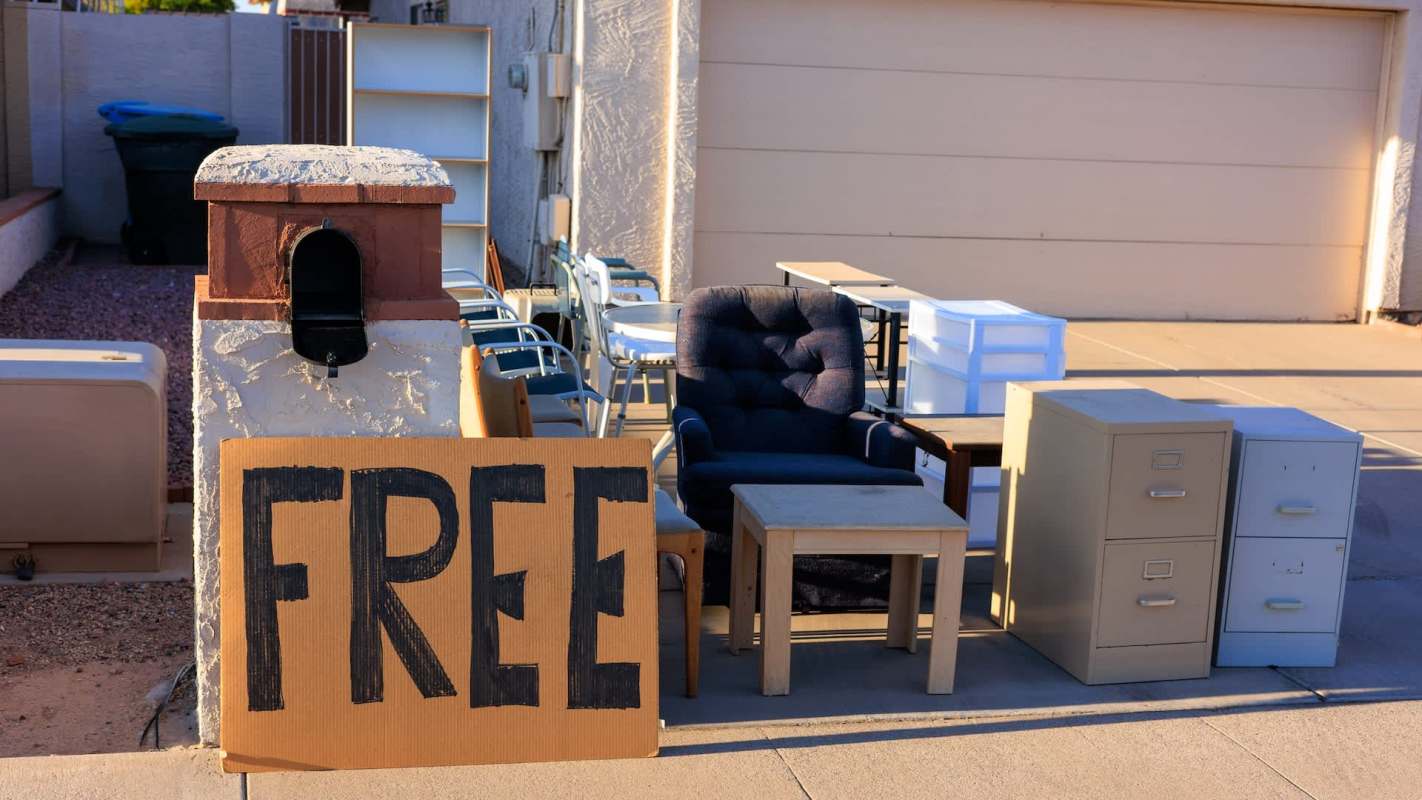
Trying to spend less has turned "buy nothing" — the practice of passing on unwanted items for free, with no compensation — from an online curiosity into a practical habit for people who want to resist the constant pull to purchase.
With grocery and utility costs still climbing, many households now treat "buy nothing" not as a gimmick but as a way to get through a tight month.
What's happening?
Interest in the buy nothing movement is growing because it gives people a way to cut spending without feeling deprived.
Rather than purchasing nonessentials, many people join neighborhood "Buy Nothing" groups to give away items they no longer use and request things they need, as Upworthy explained, with no money involved.
The outlet described the trend as a blend of old-fashioned resourcefulness and modern community networks.
For some people who have moved away from the original, strict "buy nothing" definition, that means bartering services; for others, it means passing along useful belongings that might otherwise be discarded.
TCD Picks » Quince Spotlight
💡These best-sellers from Quince deliver affordable, sustainable luxury for all




Content creator Amare, who hosts the YouTube channel Amare's Approach, said the larger problem is not only strained budgets but also the way advertising influences people's behavior.
"You see, companies have been training us to chase this sense of not enough, and we fall for it again and again," Amare said.
Liesl Clark, founder of the Buy Nothing Project, started it as an experiment in neighbors sharing with one another, and as Upworthy reported, it has since expanded to more than 8,000 social media groups worldwide, along with an app for people who do not use Facebook.
Why does it matter?
At its simplest, the movement helps people hold on to more of their money.
If someone can pick up a lamp, winter coat, blender, or children's toys for free from a neighbor, they can keep that money in their pocket.
It can also help counter the constant pressure to buy things people may not actually need.
As Amare put it, "The product is never the point. It's the craving, the desire that they're actually selling us."
There are environmental upsides as well: passing along clothes, plants, furniture, and household goods can keep usable items out of landfills and reduce textile waste.
The movement can also strengthen local ties.
A free exchange between neighbors can become an entry point to real community support, especially for families facing sudden needs.
What can I do?
A practical first step is to join a local Buy Nothing group or download the project's app.
Before buying something new, you can check whether someone nearby is giving one away.
You can also take part by offering up items you no longer use.
That could include kitchenware, baby gear, tools, books, or even plants.
Lauren Click, a member of a local Buy Nothing group, told Scripps News she rescued dying aloe plants, repotted the surviving pups, and turned them into gifts instead of waste.
The approach does not require swearing off all spending.
Essentials still cost money, and no one is suggesting old coffee pots can cover utility bills. But cutting even a few unnecessary purchases each month can add up quickly for families trying to stay ahead of rising costs.
As Clark told TODAY, according to Upworthy, "This is mutual aid. We are taking care of each other by sharing the things that we might no longer need but it will make a world of difference to a nearby family."

Get TCD's free newsletters for easy tips, smart advice, and a chance to earn $5,000 toward home upgrades. To see more stories like this one, change your Google preferences here.






