


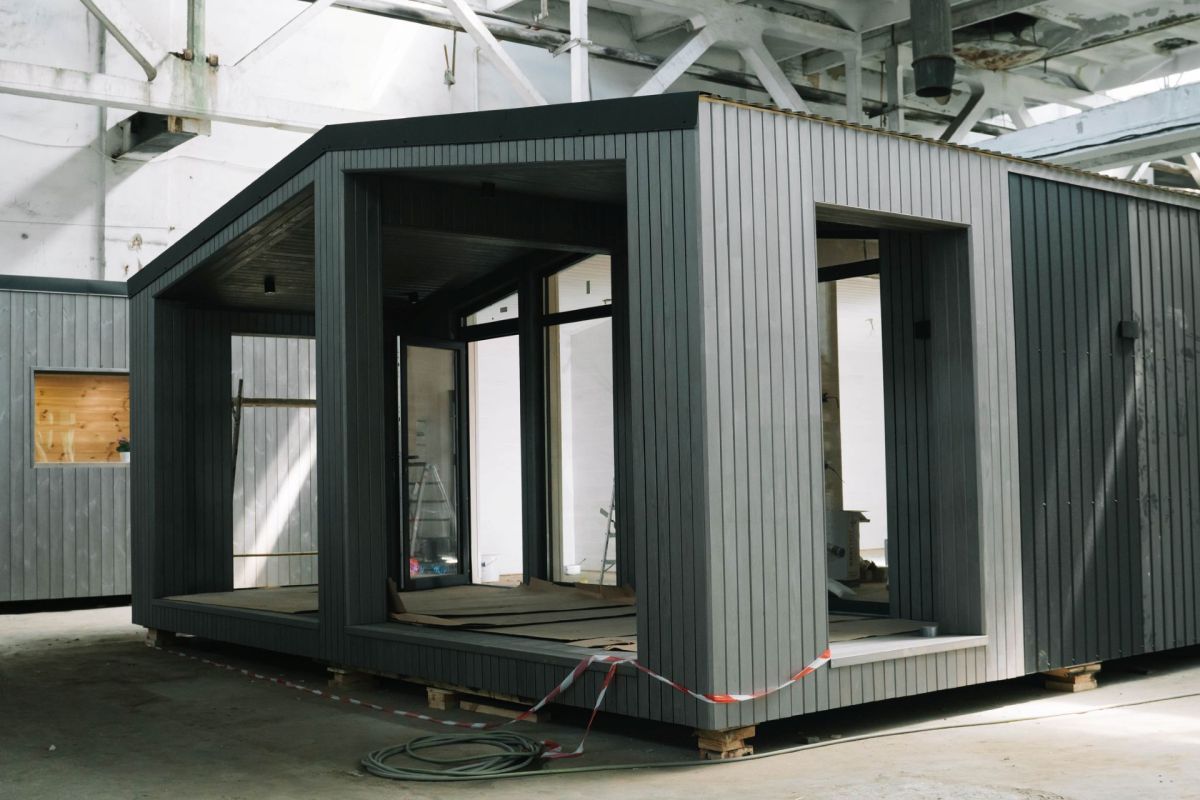
Vermont has received its largest shipment of ultra-efficient manufactured homes, expanding access to all-electric, lower-energy housing for residents whose homes have been damaged by storms.
What happened?
At Tri-Park Cooperative Housing in Brattleboro, the biggest manufactured-home park in Vermont, Titan Homes installed 18 prefabricated units this month. The homes are intended for floodplain residents who have dealt with storm damage before, Canary Media reported.
Each unit qualifies under Efficiency Vermont's voluntary Advanced Manufactured Home standard, which was introduced in 2024. The homes are all-electric, and they use heat pumps, which provide both heating and cooling with much greater efficiency and at a much lower price point than traditional HVAC solutions. Using this technology, these homes are designed to consume at least 50% less energy than new conventional manufactured homes.
Builders who participate in the program can receive $3,000 for each home. As of this delivery, more than 30 units from Titan Homes of New York and Clayton Lewistown of Pennsylvania have been installed around Vermont. Efficiency Vermont is available to work with any Vermonter interested in buying one.
Why does it matter?
Improving the weather resistance of older manufactured homes can be difficult once they leave the factory. In Vermont, those homes are usually heated with pricey propane or fuel oil, and Efficiency Vermont said their annual energy bills can average about $4,000.
For households looking for smaller-scale upgrades, Merino offers single-room, ultra-efficient HVAC systems at a lower price point. The targeted heating and cooling units can be installed in under an hour.
Peter Schneider, principal engineering consultant at VEIC (the nonprofit that operates Efficiency Vermont), said certified advanced homes can save about $2,700 a year compared to existing manufactured homes and more than $1,300 compared to new homes built to federal standards.
The median income in manufactured housing is roughly $40,000, compared with $85,000 in site-built single-family homes.
Save $10,000 on solar panels without even sharing your phone number Want to go solar but not sure who to trust? EnergySage has your back with free and transparent quotes from fully vetted providers in your area. To get started, just answer a few questions about your home — no phone number required. Within a day or two, EnergySage will email you the best options for your needs, and their expert advisers can help you compare quotes and pick a winner. Solar panels can save you more than $50k over their 25-year lifespan, and EnergySage can help you save as much as $10k on installation. Which begs the question — isn't that worth an email or two? |

"These families are facing some of the most acute stresses and pain of making decisions about whether to pay their energy bill or their home loan or put food on the table or buy medicine," said Mark Kresowik, senior policy director at the American Council for an Energy-Efficient Economy, per Canary Media.
What's being done?
Manufactured-home efficiency is federally regulated, so Efficiency Vermont's program is voluntary rather than mandatory. The utility is instead using certification and builder incentives to develop a best-in-class market that advances both affordability and climate goals.
Kresowik said he is not aware of another standard outside Efficiency Vermont's that exceeds the comparable U.S. Department of Energy benchmark, which allows gas furnaces and water heaters. For people exploring all-electric upgrades in any type of home, EnergySage's Heat Pump Marketplace is another way to compare options and available incentives.
Kresowik said these homes are "setting a benchmark for the rest of the country."
Federal data cited by Canary Media said manufactured homes make up 7% of new housing and sell for about $123,000 on average, or roughly one-third the price of site-built homes. Homeowners who want to cut bills even further can also compare free solar quotes through EnergySage. With EnergySage's help, the average homeowner can get nearly $10,000 in incentives for solar purchases and installations.

Get TCD's free newsletters for easy tips, smart advice, and a chance to earn $5,000 toward home upgrades. To see more stories like this one, change your Google preferences here.






