


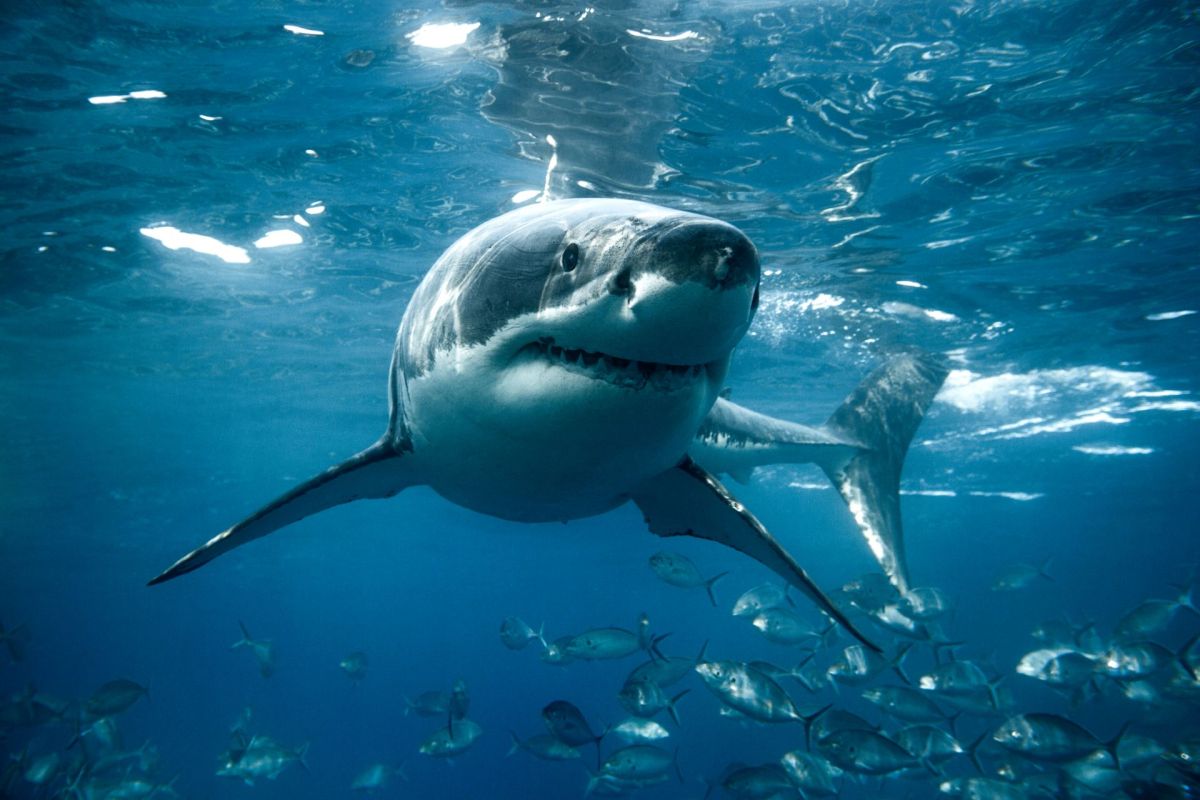
An aquarium's research trip to look at a dead humpback whale may have produced the first video evidence of a great white shark in Rhode Island waters.
While searching for the whale near Block Island, the team recorded the approximately 8-foot shark feeding on the whale carcass a few miles offshore.
What happened?
After ocean experts heard that a massive 40-foot humpback whale carcass was floating near Block Island, they sent researchers to investigate.
Among them were Jon Dodd, Executive Director of the Atlantic Shark Institute, and Sarah Callan, Mystic Aquarium's Manager of Animal Rescue.
Once the team covered almost 50 square miles, they found the deceased whale. But alongside it, they discovered a great white shark feeding on it.
In its social media announcement, the Atlantic Shark Institute wrote: "In what just might be a first in Rhode Island waters, our Executive Director Jon Dodd was able to get beautiful underwater pictures and video of a great white shark."
TCD Picks » Quince Spotlight
💡These best-sellers from Quince deliver affordable, sustainable luxury for all




The video then shows the majestic shark swimming around both the whale corpse and the researchers.
Why does it matter?
Organizations such as the Atlantic Shark Institute and Mystic Aquarium serve an educational role. Even a single documented sighting can matter to researchers tracking where large marine predators travel, feed, and linger.
Great whites are apex predators, so their movements can offer clues about changes in prey availability and the broader health of ocean ecosystems.
This kind of encounter may also reflect the growing human fingerprint on marine life. Planet-heating pollution creates hotter ocean temperatures that shifts where fish, sharks, and marine mammals spend time. Human activity can reshape feeding opportunities through altered food webs and, in some cases, whale deaths linked to collisions or entanglement.
Video evidence, location data, and firsthand observations can also help scientists build a clearer picture of whether great whites are becoming more common in Rhode Island waters or whether this was a rare one-off.

Get TCD's free newsletters for easy tips, smart advice, and a chance to earn $5,000 toward home upgrades. To see more stories like this one, change your Google preferences here.






