


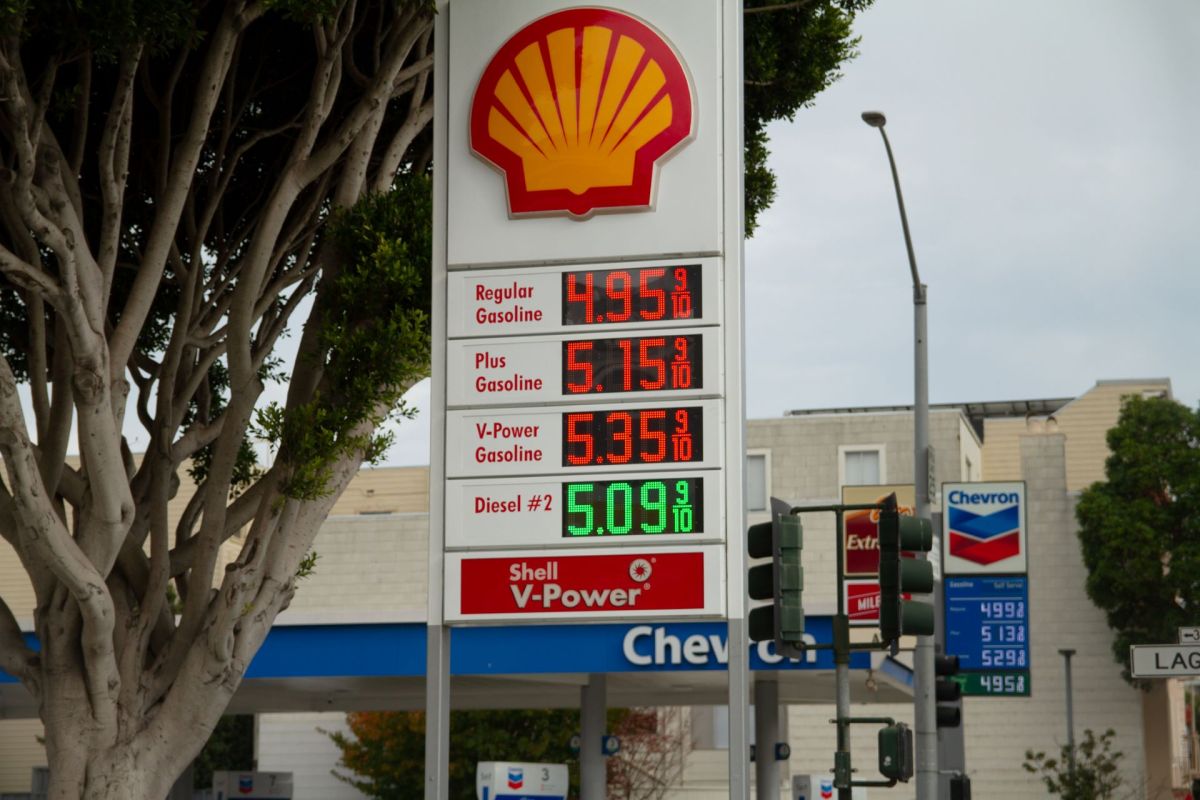
Gas prices are doing more than simply rising and falling — they're whiplashing drivers' budgets from one week to the next.
For households already strained by rent, groceries, and other essential expenses, that kind of instability can feel costly even before a tank is filled.
What's happening?
By Thursday morning, regular unleaded was averaging $3.85 per gallon nationwide, according to NPR, after months of sharp price movements at the pump.
Earlier this year, AAA recorded prices as low as $2.79 in January and as high as $4.56 in May.
Recent fighting involving the United States, Israel, and Iran has rattled oil markets and shipping through the Strait of Hormuz, helping push prices up and down as hostilities intensify and then ease.
That volatility has left many drivers unsure what they will face each time they pull up to the pump.
TCD Picks » Quince Spotlight
💡These best-sellers from Quince deliver affordable, sustainable luxury for all




Emily Blain, an accredited financial counselor in Minnesota, told NPR that the uncertainty itself can be stressful: "'How bad is it going to be this time? Is it going to be not as bad as I think, or is it going to be worse than I think?'"
Why does it matter?
USDA's Economic Research Service data cited by NPR showed that annual U.S. motor fuel price changes over the past two decades have ranged from gains of 35.8% to drops of 27.8%.
Upside data cited by NPR showed that during a price run-up in early March, drivers made more trips to gas stations while purchasing smaller amounts of fuel per visit.
Thomas Weinandy, principal research economist at Upside, said, "Some drivers can't afford to fill up their tank at a given time, so there's definitely some cash constraints."
NPR also cited a NerdWallet estimate that in some states, a $0.50-per-gallon increase could add about $500 to a driver's yearly costs.
What can I do?
One of the main recommendations is to set a budget that assumes fuel could remain relatively expensive, rather than counting on prices to drop soon.
NPR noted that Kimberly Palmer, personal finance expert at NerdWallet, said, "There is not much control you have over the prices, so all we can really do is to prepare to pay more at the pump."
That can mean building a higher gas estimate into a monthly budget, so that a price drop feels like a bonus rather than a rescue.
Palmer also recommended checking apps or websites before filling up, since nearby stations can vary enough that even a short detour may pay off.
Drivers can also cut fuel use where possible by adopting smoother driving habits, keeping tires properly inflated, and removing unnecessary weight from the car.
People who are already considering a different vehicle may also reduce their exposure to future gas price shocks by switching to an electric vehicle.
Autotrader and Kelley Blue Book senior editor Lauren Swift told NPR over email that historically, when "gas prices have seen a sharp uptick due to war or other global conflicts, they take a very long time to come back down, typically years."
"You never know what you're going to get, to a certain extent," Blain said, according to NPR. "That feels really uncomfortable regardless of the actual dollar-and-cent impact, which can also be significant at times."

Get TCD's free newsletters for easy tips, smart advice, and a chance to earn $5,000 toward home upgrades. To see more stories like this one, change your Google preferences here.






