A growing screwworm outbreak in Texas has ranchers, veterinarians, and wildlife officials in both Texas and Oklahoma paying close attention, as experts say one hard-to-track animal could make it harder to stop the parasite from moving north.
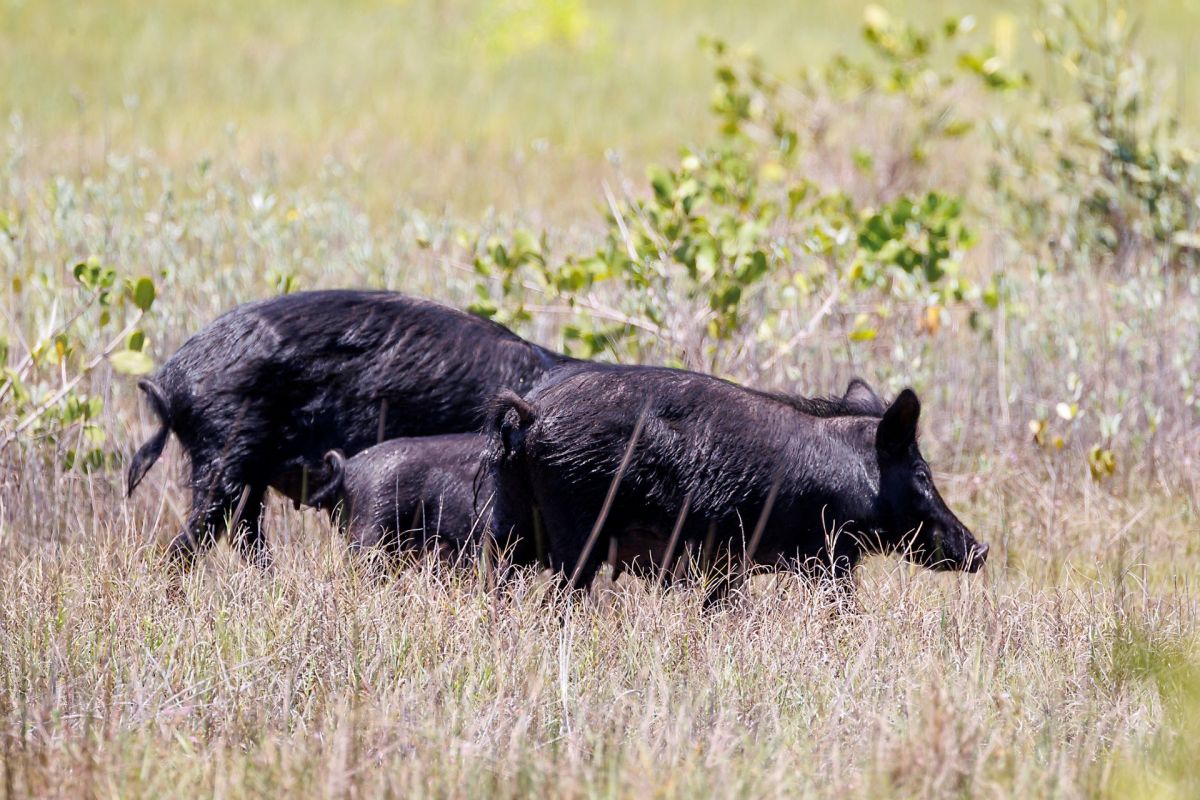
Among the biggest worries are feral hogs, which could carry New World screwworm into Oklahoma and make the parasite much harder to spot and contain.
What's happening?
According to The Oklahoman, Texas has logged more than 30 recent cases of New World screwworm in cattle, goats, sheep, and one dog.
While the parasite does not pose a direct threat to the food supply, it can seriously harm animals by infesting open wounds and leaving them vulnerable to prolonged illness and potentially deadly secondary infections.
Officials are keeping especially close watch on wildlife for signs the parasite could be heading north.
Oklahoma State Veterinarian Rod Hall said, "So far, the state of Texas have not found any (screwworm) in wildlife. Obviously, it's much more difficult to monitor wildlife than it is domestic animals."
TCD Picks » Quince Spotlight
💡These best-sellers from Quince deliver affordable, sustainable luxury for all




Hunters, wildlife rehab workers, and commercial hunting-ground operators are on the front lines of early detection.
Why does it matter?
What worries officials most is the possibility that screwworm could spread before anyone notices.
Feral hogs already rank among the most damaging invasive animals in the southern United States, tearing up cropland, competing with native wildlife, and sometimes creating safety problems for people and pets.
Screwworm infections in those hogs could make an already costly livestock problem even harder to manage.
A 2021 study suggests feral swine may help the parasite move, in part because they can roam across about 1,000 acres and are not blocked by rivers.
More sick livestock can mean financial losses for producers, added strain on animal health systems, and increased pressure on wildlife management efforts.
What's being done?
Hall said Oklahoma is more likely to see the parasite arrive through people moving feral hogs than through flies reaching the state on their own.
"The way we'll get it early on in feral swine is if there's illegal movement of feral swine. It's a felony to bring feral swine into Oklahoma from any state, but people break the law all the time," Hall said.
State and wildlife officials are urging the public to stay alert and report suspected cases.
Anyone who spots a possible New World screwworm case can use the Oklahoma Department of Agriculture, Food and Forestry site at ag.ok.gov/nws or call the state veterinarian's office at 405-522-6141.
Meanwhile, the main control strategy remains the same one used for decades: restricting livestock movement from affected areas and releasing sterilized male flies. Per Department of Agriculture's Animal and Plant Health Inspection Service, those males mate with wild females, which then lay eggs that do not hatch, helping reduce the population over time.
Hall emphasized how much more difficult an outbreak would become if the parasite were to establish itself in wild animals.
"If we did get it in Oklahoma and if it did get in our wildlife, then it would be much more difficult to control because we obviously can't treat them, we can't give them medication to prevent the screwworm eggs from hatching."

Get TCD's free newsletters for easy tips, smart advice, and a chance to earn $5,000 toward home upgrades. To see more stories like this one, change your Google preferences here.