


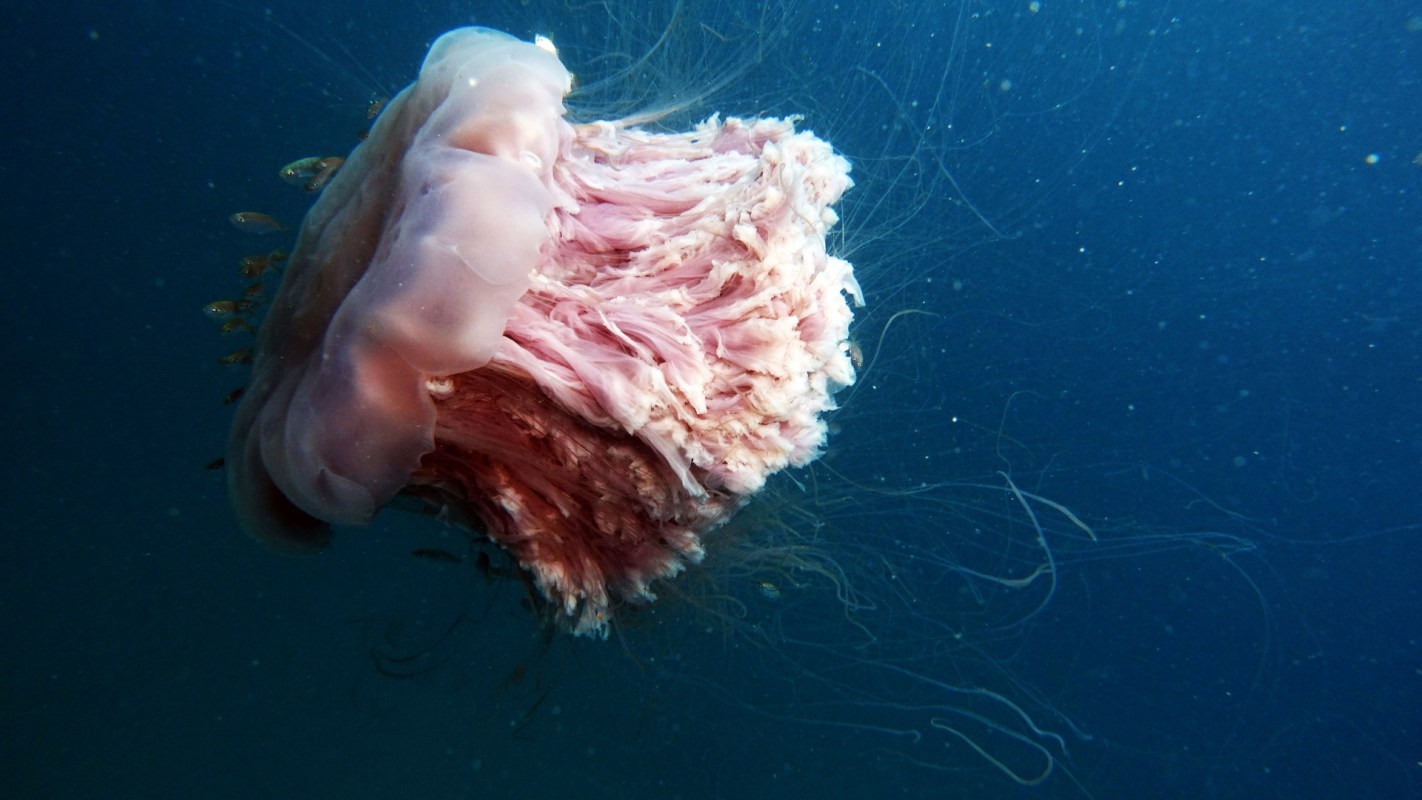
Massachusetts beachgoers are once again sharing the water with jellyfish, and swimmers along the North Shore are being warned that they may be noticing more of them than usual this summer.
For anyone planning a trip to the coast, the sightings are a seasonal reminder that shifting ocean conditions can quickly turn an otherwise relaxing beach day into a painful one.
What's happening?
This week at Singing Beach in Manchester-by-the-Sea, swimmers returning to the water found noticeable numbers of jellyfish.
NBC Boston reported that although jellyfish are a regular summer presence on Massachusetts beaches, North Shore beaches seem to be dealing with far higher numbers this season.
The outlet said that lion's mane jellyfish covered the beaches Monday. They are one of the two species commonly found in the area, alongside moon jellies, which are seen as less threatening because they do not sting the way lion's mane jellies do.
A larger jellyfish presence in the water often means swimmers should take more caution and may require more beachside first aid. It also adds uncertainty about when it is safe to wade in during peak summer, when Massachusetts beaches are busiest.
TCD Picks » Quince Spotlight
💡These best-sellers from Quince deliver affordable, sustainable luxury for all




NBC Boston has also reported an uptick in jellyfish sightings on the South Shore and in Cape Cod. Luckily, most jellyfish stings cause pain and irritation rather than life-threatening emergencies, though some people may also have allergic reactions.
What can I do?
If you are stung, NBC Boston advised rinsing the area with seawater and avoiding freshwater, which can make the sting worse. After that, remove any tentacles and monitor symptoms closely.
Seek medical attention right away if the pain becomes severe or if there are signs of an allergic reaction. Even if most stings are not considered life-threatening, serious reactions can still happen.
Before getting into the water, it can also help to scan the shoreline and ask lifeguards or beach staff about recent sightings. Jellyfish numbers can shift quickly, so one calm day does not necessarily mean the next will be the same.
And if you notice jellyfish washed up on shore, it is best to keep your distance.

Get TCD's free newsletters for easy tips, smart advice, and a chance to earn $5,000 toward home upgrades. To see more stories like this one, change your Google preferences here.







