


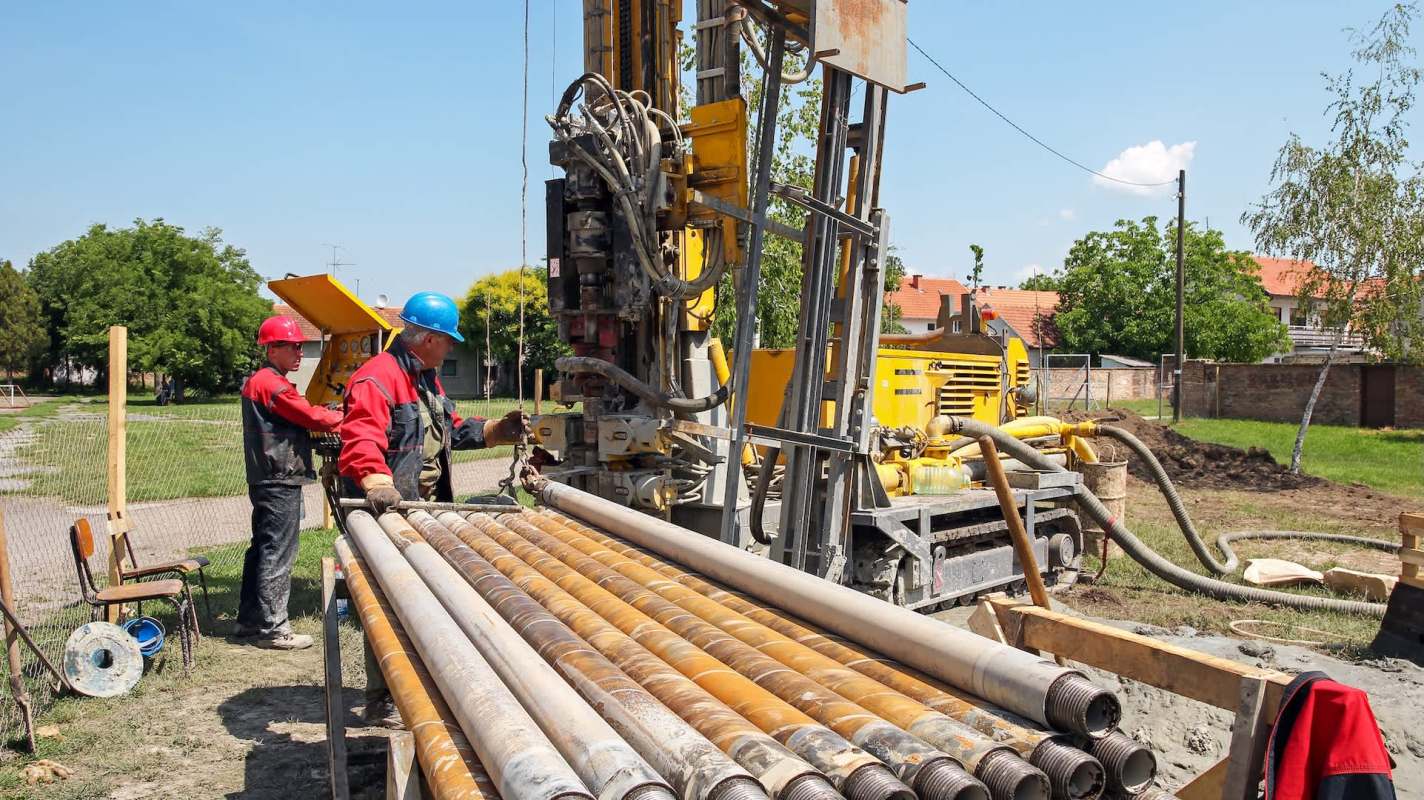
Maryland is stepping up its support for geothermal energy, beginning with school projects and weighing how the same underground resource could serve high-demand facilities such as data centers.
Its appeal lies in dependable heating and cooling. Geothermal systems can reduce energy use, relieve pressure on the grid, and potentially bring down utility costs over time.
What's happening?
Gov. Wes Moore has announced new money for geothermal improvements at schools in Montgomery, Prince George's, and Worcester counties, The Daily Record reported. Separately, Towson University plans to add a geothermal well to the building used by its College of Fine Arts & Communication, with the project slated for completion in 2027.
Even with those investments, geothermal remains uncommon in Maryland homes. According to The Daily Record, the National Laboratory of the Rockies' 2025 Geothermal Market Report estimated that roughly 1,000 to 7,600 households in the state currently use it.
Michael Daley of Carbon Solutions Group said, "Geothermal heating and cooling systems are having this kind of quiet moment because they're this renewable technology that's 24/7 — so nonintermittent."
In practice, geothermal heat pumps pull natural warmth from the ground in winter and send excess indoor heat back below the surface in summer.
TCD Picks » Quince Spotlight
💡These best-sellers from Quince deliver affordable, sustainable luxury for all




That always-on quality is one reason geothermal is attracting attention beyond houses and schools. Daley said the technology can be deployed across a broad range of project types and sizes, including some uses tied to data centers.
Why does it matter?
One of geothermal's main advantages is consistency. Unlike some other cleaner energy options, it does not depend on sunshine or wind. For building owners, that can mean more predictable comfort indoors and less volatile energy demand.
Daley said geothermal systems can lower electricity use during peak-demand periods. That can translate into savings not just for the people who own the systems, but also for nearby residents because the wider grid faces less strain.
The U.S. Department of Energy has said geothermal has the "potential to reduce data center peak cooling demand and energy costs" and may help avoid the need for additional power plants. That could become particularly useful as data centers continue to expand and cooling demands rise.
Homeowners still face significant obstacles, however. Research from the University of Maryland Energy Extension found that installation costs can range from $17,500 to $37,500, and not every property has the land needed for drilling. Those up-front challenges have historically kept geothermal out of reach for many families.
What's being done?
Maryland has already taken steps to broaden access to the technology. In 2021, legislation backed by Lorig Charkoudian, vice chair of the House Economic Matters Committee, established a renewable energy credit carveout for geothermal systems, The Daily Record reported. The required share began at 0.05% and is scheduled to rise to 1% in 2028.
In 2021 testimony, Charkoudian called it "imperative" to include communities that "have been most impacted by environmental injustice" and "environmental health issues." Under the law, at least a quarter of the carveout must come from projects serving low- and moderate-income housing or community institutions that primarily serve those residents.
Another change arrived in 2024 with the WARMTH Act, short for Working for Accessible Renewable Maryland Thermal Heat. The measure permits electric, gas, and water utilities to own and manage thermal energy networks if the Maryland Public Service Commission approves the projects.
That could help open the door to neighborhood-scale systems that spread costs more broadly rather than leaving individual households to shoulder them alone.

Get TCD's free newsletters for easy tips, smart advice, and a chance to earn $5,000 toward home upgrades. To see more stories like this one, change your Google preferences here.






