


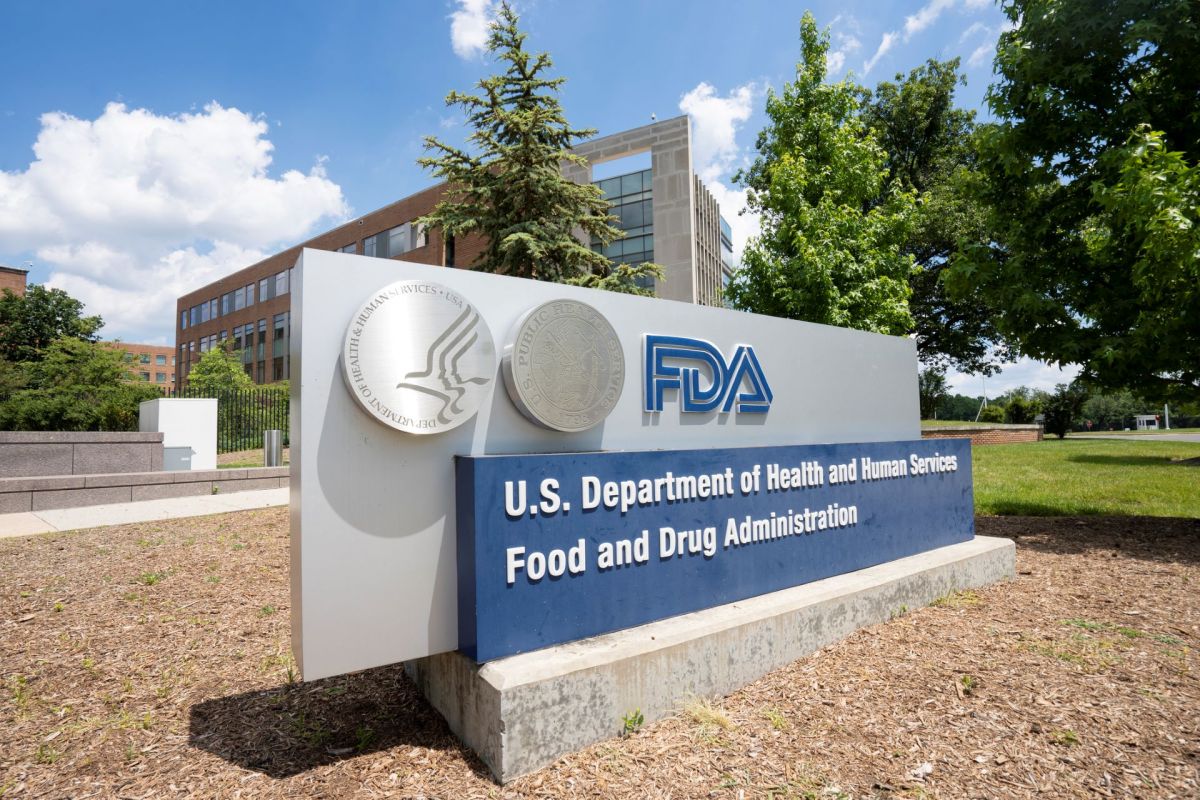
While it might seem like there are more and more product recalls every day, a new analysis is suggesting that the bigger change is the average size of the recalls rather than how often they occur.
What's happening?
Sedgwick, a corporate risk and claims agency, reviewed federal recall records in its latest Recall Index Report.
What it found was striking. Across the U.S., food recalls reached 57.4 million units in the first quarter of 2026. That represents an incredibly steep jump, nearly a two-fold increase, from the 28.76 million food units recalled in the fourth quarter of 2025, according to MySA.
Based on data from the U.S. Food and Drug Administration and the U.S. Department of Agriculture, the report identified pre-made foods, supplements, baked items, flavorings, and drinks as the categories hit hardest by these massive recalls.
The most common reasons behind those recalls were undeclared allergens, foreign matter, bacterial contamination, non-bacterial contamination, and labeling errors, according to MySA.
Yet, the report also found that the total number of recalls themselves actually decreased between Q4 of last year and Q1 of this year, going from 877 to 785.
TCD Picks » Quince Spotlight
💡These best-sellers from Quince deliver affordable, sustainable luxury for all




Why does it matter?
For people sensitive to peanuts, milk, eggs, hazelnuts, and other common ingredients, an undeclared allergen can be dangerous or even life-threatening. Foreign objects like plastic, stone, or glass can also cause immediate injury.
When the number of recalled units rises, the chances also increase that affected products are already sitting in people's kitchens. If a manufacturer recalls everything made on the same production line or during the same run, one problem can quickly turn into a massive nationwide alert.
What may appear to be an isolated error can also signal larger issues in industrial food production, including rushed labeling, weak oversight, supply-chain complexity, and inconsistent safety checks.
In a food system built to move enormous volumes quickly, one breakdown can spread across store shelves nationwide.
Luckily, rapid alerts from the FDA and the Food Safety and Inspection Service can help limit illnesses and injuries. Additionally, a decline in the number of recalls themselves may indicate that problems are limited to a smaller number of products even when those products are mass-produced.

Get TCD's free newsletters for easy tips, smart advice, and a chance to earn $5,000 toward home upgrades. To see more stories like this one, change your Google preferences here.







