


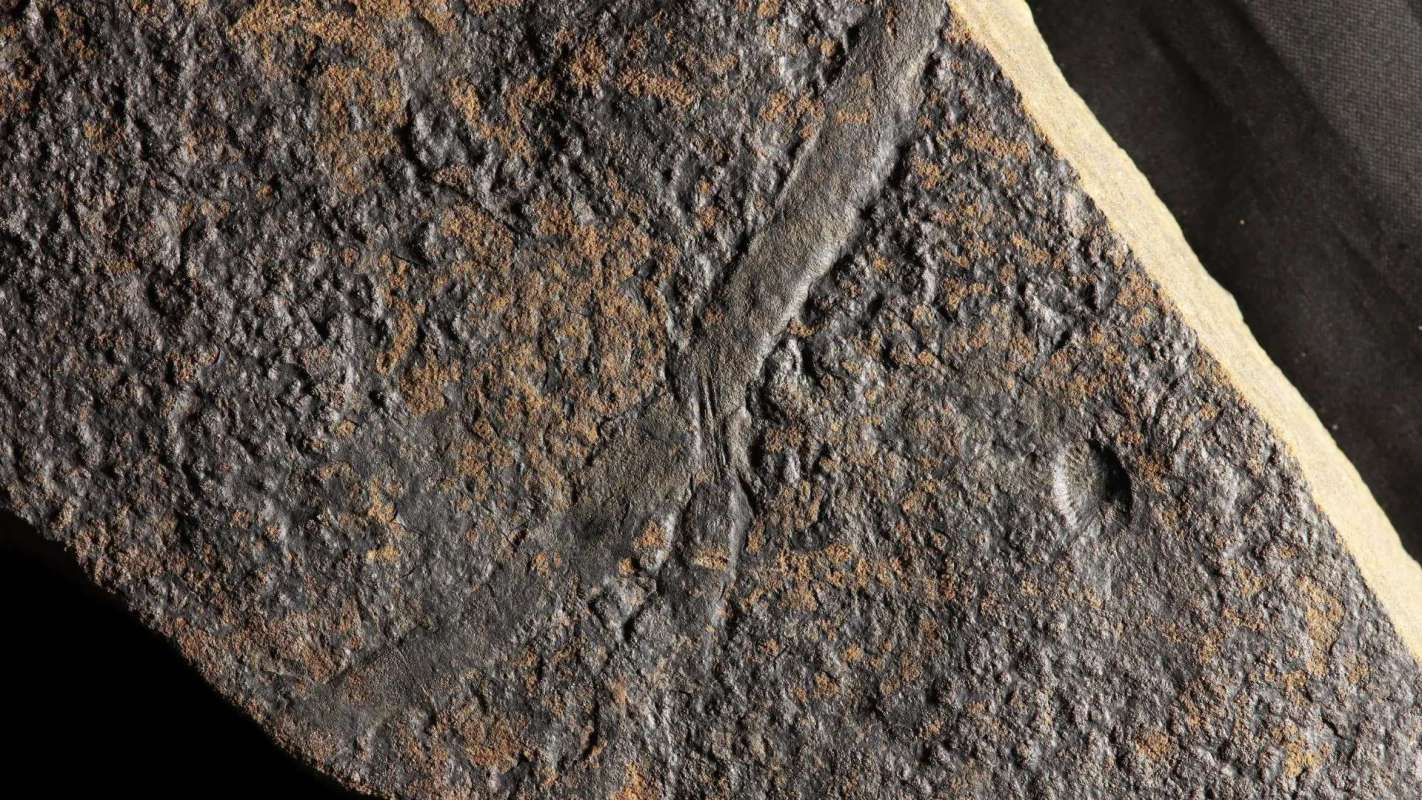
A new cache of fossils found in the Mackenzie Mountains in Canada's Northwest Territories is prompting scientists to rethink when animal life first developed traits such as complexity, locomotion, and sexual reproduction.
If the discoveries from the new fossils hold, those milestones may have arrived roughly 5 to 10 million years earlier than researchers had believed, according to SciTechDaily.
While examining very old rock layers in the Mackenzie Mountains, scientists recovered more than 100 Ediacaran fossils from an era before most animals had evolved shells or bones.
Many of the fossil findings represent a first for the North American continent. One of the fossilized organisms, Funisia, may indicate the oldest-ever fossil evidence of sexual reproduction, which could change how scientists view Earth's biological history.
The researchers published their findings in the peer-reviewed journal Science Advances, where they explained that "this study underscores the high potential of new fossil finds to meaningfully advance our knowledge of the emergence of complex ecosystems at the dawn of animal life."
As SciTechDaily notes, some of the specimens are about 567 million years old, which would make them older than earlier White Sea discoveries and apparently the same age as the older Avalon assemblage. That would place important animal traits far earlier than expected.
TCD Picks » Quince Spotlight
💡These best-sellers from Quince deliver affordable, sustainable luxury for all




The team was led by Scott Evans, assistant curator of invertebrate paleontology at the American Museum of Natural History, which reported six fossil groups not previously found in North America, notably including Dickinsonia, Funisia, Kimberella, and Eoandromeda.
Those organisms are associated with movement along the seafloor, evidence of sexual reproduction, and body plans that remain common across animal life today.
"For 3 billion years, life on Earth was dominated by microbes. Then, all of a sudden, we get these strange-looking marine animals big enough to see and capable of behaviors we would find familiar today," Evans explained to the outlet, adding that "if we want to understand this transition, when life first became large, complex, and unmistakably animal, this new site has tremendous potential."

Get TCD's free newsletters for easy tips, smart advice, and a chance to earn $5,000 toward home upgrades. To see more stories like this one, change your Google preferences here.






