


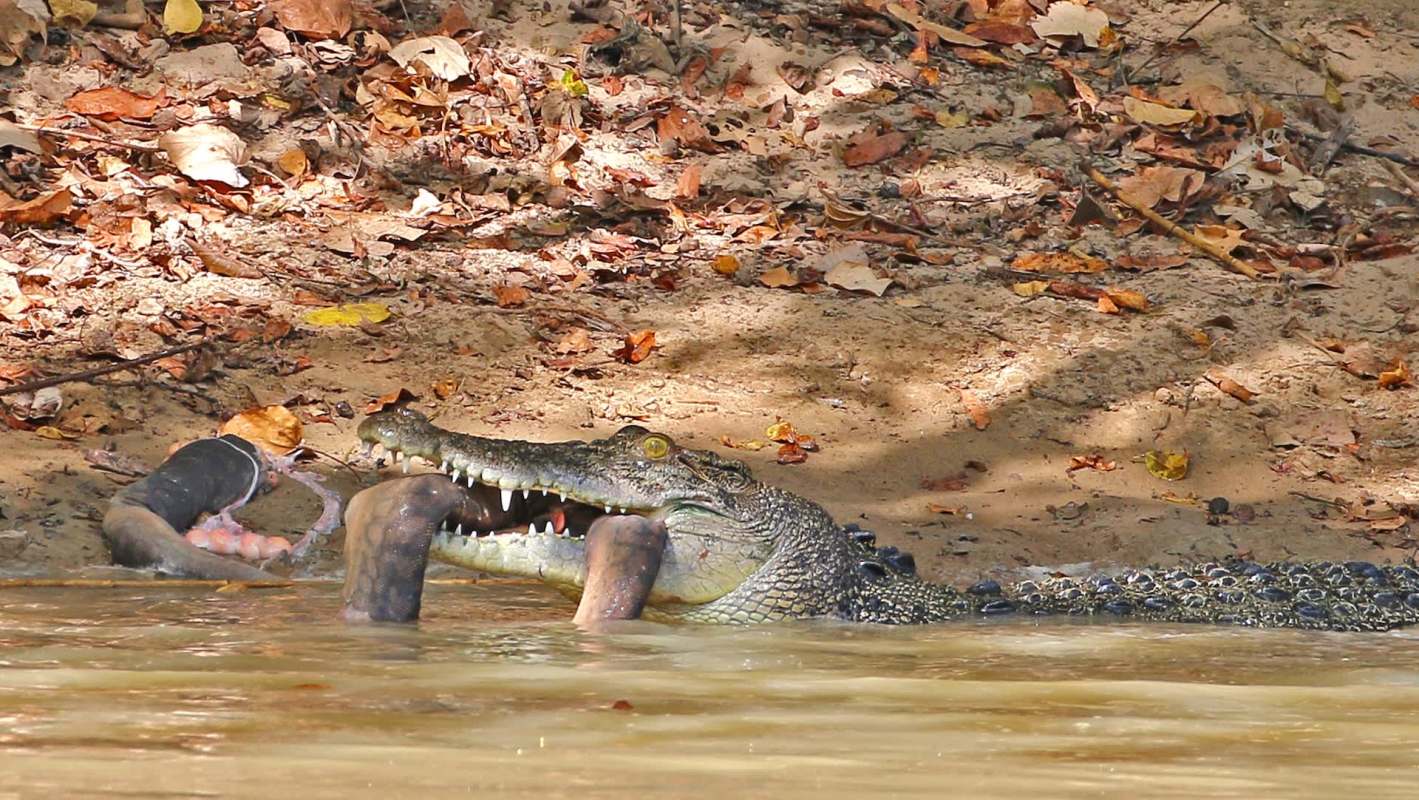
Online viewers are focusing on a stark wildlife clip that shows a crocodile tossing around a python in a tense, fast-moving confrontation.
The clip is dramatic on its own, but it also points to a broader reality: spectacular animal encounters can offer a revealing glimpse of how changing landscapes are reshaping the lives of wild creatures.
What happened?
On Reddit, a short video captures a crocodile going after a python in an abrupt encounter between two reptiles. The post title put it plainly: "Crocodile attacks python."
That kind of overlap is not unusual in some wetland environments, where crocodilians and large snakes may compete for territory, food, or access to water.
(Click here to watch the embedded video if it doesn't appear.)
In the video, the crocodile has the large snake in its mouth and is whipping it around like a dog playing with a rope. The snake is trying to fight back, but the croc is not giving it any chance.
TCD Picks » Quince Spotlight
💡These best-sellers from Quince deliver affordable, sustainable luxury for all




Why does it matter?
Scenes like this are easy to view as pure spectacle, but they may also reflect growing pressure on wildlife habitats. When humans expand development, alter waterways, drain wetlands, or fragment natural areas with roads and neighborhoods, animals can be pushed into smaller spaces or into new overlaps with other species.
As wildlife habitat shrinks or shifts, animals are more likely to move through farms, suburbs, canals, and recreational areas, increasing the chances of dangerous encounters with humans and pets.
Dramatic predator-on-predator conflicts can be part of the same pattern that leads to more wildlife encounters near where people live.
What can I do?
While individuals cannot control habitat loss on their own, there are practical ways to reduce the risk of harmful wildlife encounters and support healthier ecosystems. If you live near wetlands, canals, or natural waterways, experts generally recommend keeping a safe distance from the water's edge, supervising pets closely, and never feeding wild animals.
Supporting local wetland conservation, habitat restoration, and smart land-use planning can also help ease the pressure that forces wildlife into tighter quarters. Protecting natural buffers gives animals more room to behave naturally — and lowers the odds that their movements spill into human spaces.
As human activity reshapes the natural world, these jarring encounters can become increasingly visible reminders of ecosystems under strain.

Get TCD's free newsletters for easy tips, smart advice, and a chance to earn $5,000 toward home upgrades. To see more stories like this one, change your Google preferences here.







