


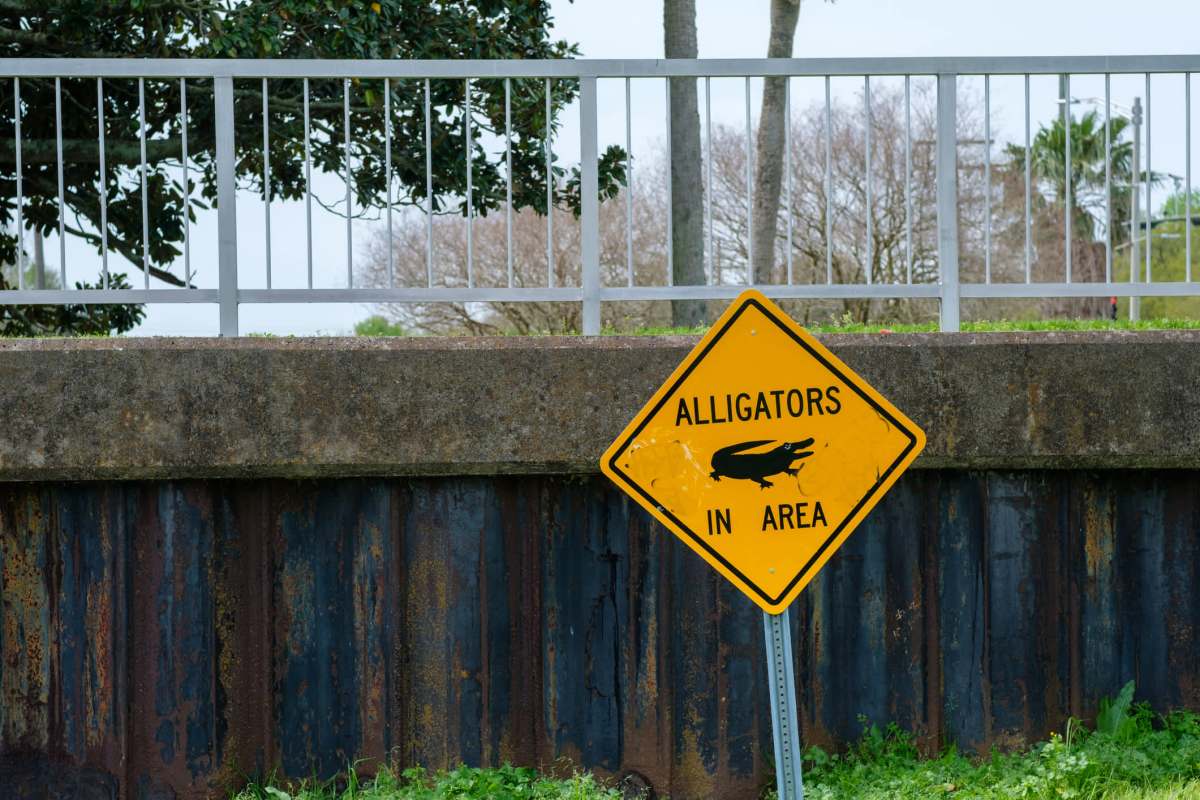
Staff at a Florida 7-Eleven got an unexpected visitor when a 10-foot alligator showed up outside the store, underscoring the growing overlap between wildlife and human spaces.
The encounter in Venice came only a week after reports of a 600-pound gator on Sarasota streets drew headlines, according to Fox Weather.
What happened?
Although alligators are native to Florida and sightings are not uncommon, seeing one this large at a brightly lit business is unusual. Fox Weather reported that video released Dec. 9 by the Sarasota County Sheriff's Office's Facebook page showed deputies responding after the giant reptile made its way onto the Venice convenience store property.
Officers worked with a contracted alligator wrangler, and the footage showed the animal being guided to a truck and then loaded onto a trailer. Reports said the alligator was safely removed without injuries.
Why does it matter?
A gator showing up at a gas station proves how often wild animals travel through roads, parking lots, neighborhoods, and storefronts built near wetlands and waterways.
These encounters are partly the result of human expansion. As development pushes further into natural habitat, animals that once stayed farther from people can find themselves navigating retention ponds, drainage canals, and commercial corridors.
TCD Picks » Quince Spotlight
💡These best-sellers from Quince deliver affordable, sustainable luxury for all




Bright lights, traffic, and even food-related activity can also attract smaller animals, which may in turn draw predators.
A confused alligator in a crowded area can put people at risk, and the reptile is also vulnerable to stress, injury, and dangerous interactions when it ends up in the wrong place.
The incident also reflects a broader reality: climate and habitat pressures are changing the way many people experience wildlife, bringing encounters closer to everyday places people visit such as convenience stores rather than keeping them confined to natural areas.
As human development pushes wildlife into urban areas, animals can face more risks from human environments, as illustrated by a unique incident where a Virginia raccoon consumed alcohol after breaking into a liquor store.
What's being done?
In this case, local authorities appear to have followed the type of response experts generally recommend: keep people at a safe distance, bring in trained help, and relocate the animal as safely as possible.
The Sheriff's Office and the contracted wrangler were able to remove the gator without escalating the situation.
If you spot an alligator in a parking lot, roadside ditch, or neighborhood pond, stay far back, do not try to feed or move it, and contact local wildlife officials or law enforcement.
Communities can also help reduce these conflicts through better public education, habitat preservation, and growth designed with wildlife movement in mind. When development pushes deeper into natural areas, coexistence requires proactive planning instead of just relying on emergency response.
The Sarasota County Sheriff's Office captured the surreal tone of the moment and how it seems to be a frequent occurrence in the area in its Facebook post: "Yes… it happened again. Another day, another gator – Sarasota's really determined to make this a weekly series."

Get TCD's free newsletters for easy tips, smart advice, and a chance to earn $5,000 toward home upgrades. To see more stories like this one, change your Google preferences here.







