


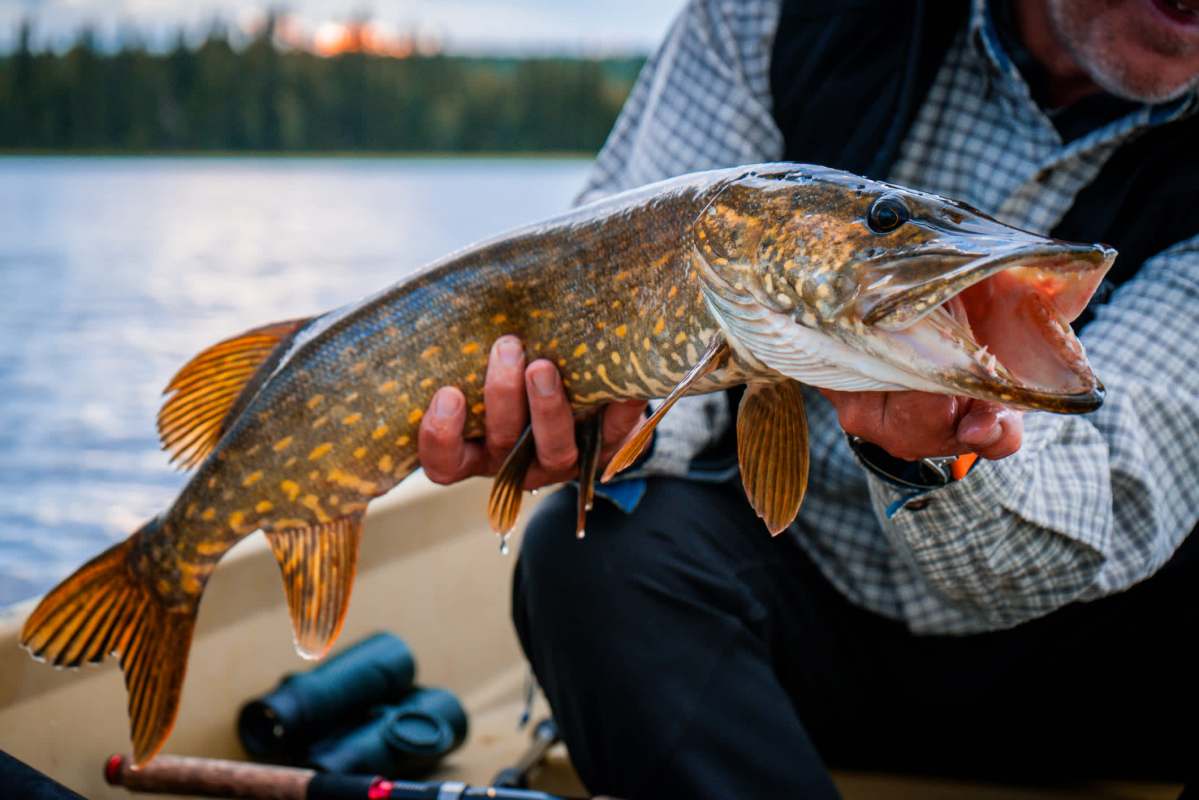
Alaskan waters are dealing with an invasive biological menace: the northern pike.
As temperatures rise, pike's population is rising and therefore consuming more prey, adding pressure to the salmon and trout that local communities, ecosystems, and businesses depend on in southcentral Alaska, Inside Climate News reported.
What's happening?
The pike fish is native to parts of Alaska, but south of the Alaska Range, it is considered invasive and was likely introduced there illegally decades ago. However, research indicates global warming is making the situation even worse.
In a peer-reviewed study published last February in the journal Biological Invasions, young pike in the Deshka River during the summers of 2021 and 2022 consumed 63% more than pike sampled roughly a decade earlier.
In a 2024 study, researchers found that the freshwater predator can also travel through saltwater corridors, such as Cook Inlet, which stretches 180 miles from the Gulf of Alaska to Anchorage, thereby creating additional routes into vulnerable salmon habitat.
Why does it matter?
The effects reach beyond fish populations to livelihoods, recreation, and efforts to protect Alaska's natural heritage.
TCD Picks » Quince Spotlight
💡These best-sellers from Quince deliver affordable, sustainable luxury for all




The financial hit has been substantial. Economic studies commissioned by the Mat-Su Borough found that direct sportfishing spending in the region fell from $141 million in 2007 to $57 million in 2017, nearly cutting it in half as native fish populations declined. This has impacted local guides, lodges, and air charter operators.
The damage has been especially severe in places such as the Deshka River and the Susitna River, which were once premier destinations for king salmon fishing, according to Inside Climate News. A state emergency order issued in February announced that king salmon sport fishing is closed this summer on both rivers because returns have been so low.
What's being done?
State biologists are using the term "suppression" to describe what they're working towards, rather than viewing it as a complete eradication, Inside Climate News reported.
Biologists are now prioritizing gillnetting and a plant-based pesticide called rotenone in hopes that the pike population will become more contained in certain areas, according to Inside Climate News. When rotenone is applied to the water, biologists and fish techs will then try to trap the salmon and trout and relocate them to other bodies of water.

Get TCD's free newsletters for easy tips, smart advice, and a chance to earn $5,000 toward home upgrades. To see more stories like this one, change your Google preferences here.






